Austria After the 2024 Elections: The End of the Kurz Era
The federal republic of nine million people enters a period of political upheaval that will shape not only domestic but also foreign policy, including relations with Croatia.
The federal republic of nine million people enters a period of political upheaval that will shape not only domestic but also foreign policy, including relations with Croatia.
Vienna, for centuries the center of the Habsburg monarchy and today home to numerous United Nations agencies and the headquarters of OPEC, finds itself at a new political crossroads. After a turbulent period marked by the 'Ibiza-gate' affair and the fall of Sebastian Kurz's government, Austrian voters head to the polls in 2024, with an outcome that will reverberate far beyond the Alpine borders. The country, an EU member since 1995 and part of the Schengen area, has often balanced its 1955 constitutional neutrality with an active role in European integration.
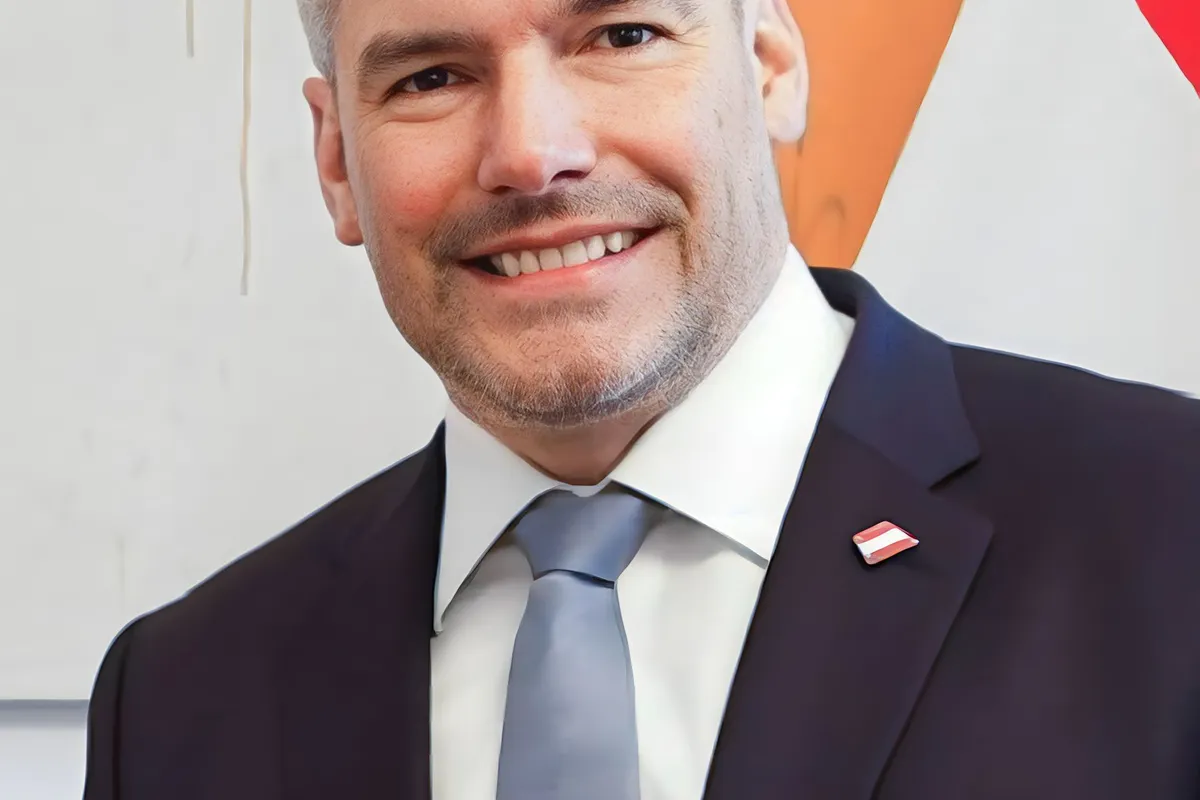
Austrian politics has traditionally rested on coalition agreements, but the 2024 elections bring potentially the biggest change in two decades. Former Chancellor Sebastian Kurz, once the star of the conservative People's Party (ÖVP), has since vanished from the political scene after a series of corruption scandals. His successor as head of government, Karl Nehammer, is trying to stabilize the ÖVP and maintain the coalition with the Greens, led by Vice-Chancellor Werner Kogler. On the other side of the political spectrum, the Freedom Party (FPÖ), under Herbert Kickl, is seeing a strong surge in support, fueled by anti-immigrant rhetoric and Euroscepticism.
This political dynamic directly affects neighboring countries, especially Croatia. The two states share not only historical ties from the Austro-Hungarian era but also contemporary interests within the European Union. Migration policy, a dominant topic in Austria for years, often plays out along the Balkan route, and Vienna's decisions on border controls or quotas have direct consequences for Zagreb.
Amid political turmoil, Austria also faces deep structural problems. As a highly developed country with a strong economy, particularly in tourism, industry, and services, it must find answers to an aging population and a growing labor shortage. These challenges further complicate already heated debates on migration policy, putting the government in the difficult position of balancing economic needs against public opinion increasingly leaning toward a more restrictive approach.
Regardless of the election outcome, one thing is certain: Austria, with its nine million inhabitants and strategic position in the heart of Europe, remains a key player for regional stability. How the new government responds to internal and external challenges will shape not only the country's future but also its relationship with Croatia and the rest of Southeast Europe.