Parents Whose Children Feel Loved
Eli Harwood highlights how emotional acceptance, quality time, and unconditional pride build the foundation for a child's self-confidence and sense of belonging.
Eli Harwood highlights how emotional acceptance, quality time, and unconditional pride build the foundation for a child's self-confidence and sense of belonging.
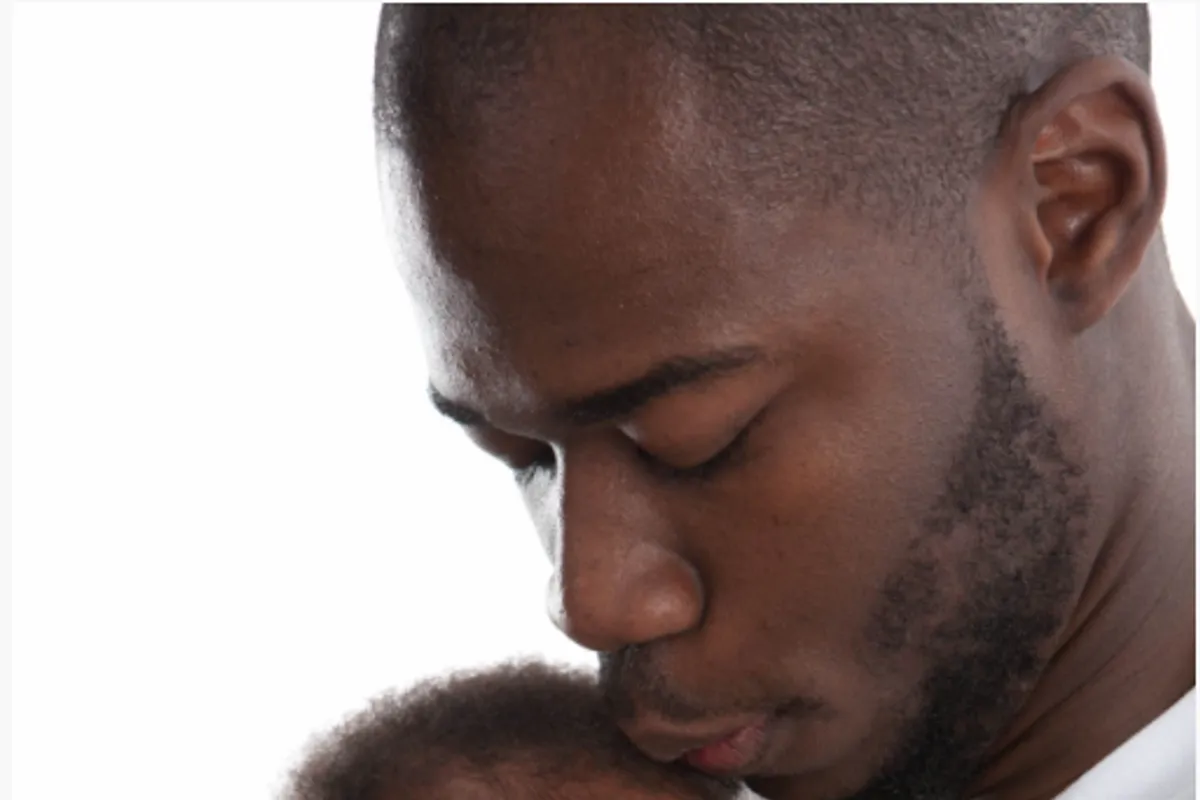
Many parents want their children to grow up feeling loved, accepted, and secure, but it's often not easy to know how to achieve this. Reactions to children's emotions and the level of interest shown can have long-term consequences on their self-esteem and interpersonal relationships. Therapist Eli Harwood has identified three key things that parents of people who grew up with a deep sense of being loved and accepted did.
Children need to feel accepted even when they are sad, angry, or in a bad mood. If parents react negatively, such as by ignoring, rolling their eyes, or raising their voice, the child may conclude that their emotions are unwelcome. Harwood emphasizes that children need to know they "don't have to prove themselves or pretend to feel connected to us," as reported by YourTango.
"The essence of a sense of belonging is that the child feels their presence in the room is desired," says Harwood. Although parents are often busy with work and other obligations, it's crucial to use shared time for genuine connection. Such dedication to the child clearly shows that parents value their company and that they matter.
Research on emotional validation shows how important parental affirmation is to children. Harwood stresses that children need to feel that their parents are proud of them "not for what they do, but for who they are." "Children feel accepted and that we are proud of them," the therapist points out. The feeling of acceptance should not depend on the child's achievements or failures, but on the simple fact that they are part of the family.