Russia Has Threatened Poland for Over a Century, the Source Hasn't Changed in 106 Years
Polish President Warns of Persistent Russian Threat as NATO Simultaneously Tests Latest Technologies to Defend the Alliance's Eastern Flank.
Polish President Warns of Persistent Russian Threat as NATO Simultaneously Tests Latest Technologies to Defend the Alliance's Eastern Flank.
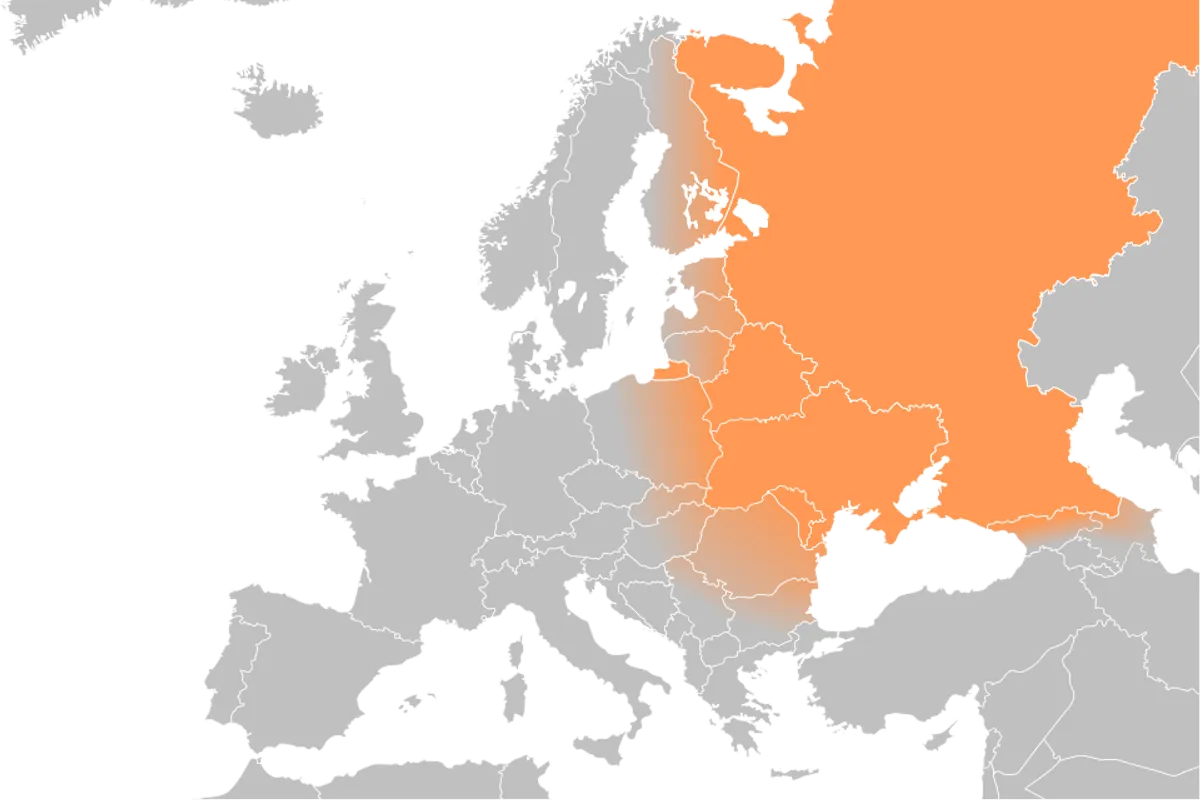
Polish President Karol Nawrocki stated on Sunday that Russia has threatened Poland for over a century and that the source of this threat hasn't changed in 106 years, still emanating from Russia. The statement was released via the Military Summary channel.
Nawrocki's remarks come at a time when concrete incidents have been recorded that confirm the concerns of the Alliance's eastern flank. The Japan Times reports that on July 30, 2026, a Russian cruise missile landed more than 50 miles inside Polish territory and detonated in a field near the town of Tarnawa Kolonia, not far from Lublin. Around the same time, an explosive-laden drone ended up on the runway of an airport in Leipzig, Germany, with Russia denying any involvement with these weapons.
Concurrent with these warnings, NATO forces in Slovakia are testing the latest technologies designed to help protect the eastern part of the Alliance. NATO has announced that these include drones, robots, and next-generation communication systems, with the message that this is what modern battlefield technology looks like.
According to the Japan Times, Russian President Vladimir Putin is considering testing NATO's resolve and combat responses over the next few years. The Russian Federation is already probing the Alliance, despite being outmatched in defense spending and having its hands full in Ukraine.
Although there is no direct Croatian connection to these incidents, the security situation in Eastern Europe and the testing of NATO's capabilities are of strategic importance to all Alliance members, including Croatia. NATO's testing of new technologies in Slovakia is part of a broader effort to strengthen the defense of the eastern flank, which directly impacts the overall European security architecture.
The Japan Times notes that Russia denies any connection to the drone in Leipzig, but the source offers no alternative version of events, leaving open the question of the true origin of the weapon that ended up on the German runway.