Split's Season in the Shadow of Rising Prices
Director of the Split Tourist Board Ivana Vladović reveals Tax Administration data on higher spending, while small private renters warn that rising costs are eating into their earnings.
Director of the Split Tourist Board Ivana Vladović reveals Tax Administration data on higher spending, while small private renters warn that rising costs are eating into their earnings.
Croatia's tourism season is currently recording slight growth, dispelling the bleak forecasts of part of the sector. However, behind the positive figures on arrivals and spending lies a complex picture in which rising prices and operating costs are putting increasing pressure on those who depend on tourism for their livelihood. On August 12, 2026, Zagreb.info reported extensively on this topic, relaying statements from key players in Split's tourism scene.
According to data from the eVisitor system, from the beginning of the year to the end of July, Croatia recorded 12.4 million arrivals and 59.1 million overnight stays, a one percent increase. On the Adriatic coast, 56.1 million overnight stays were recorded, a 0.5 percent increase compared to the same period last year.
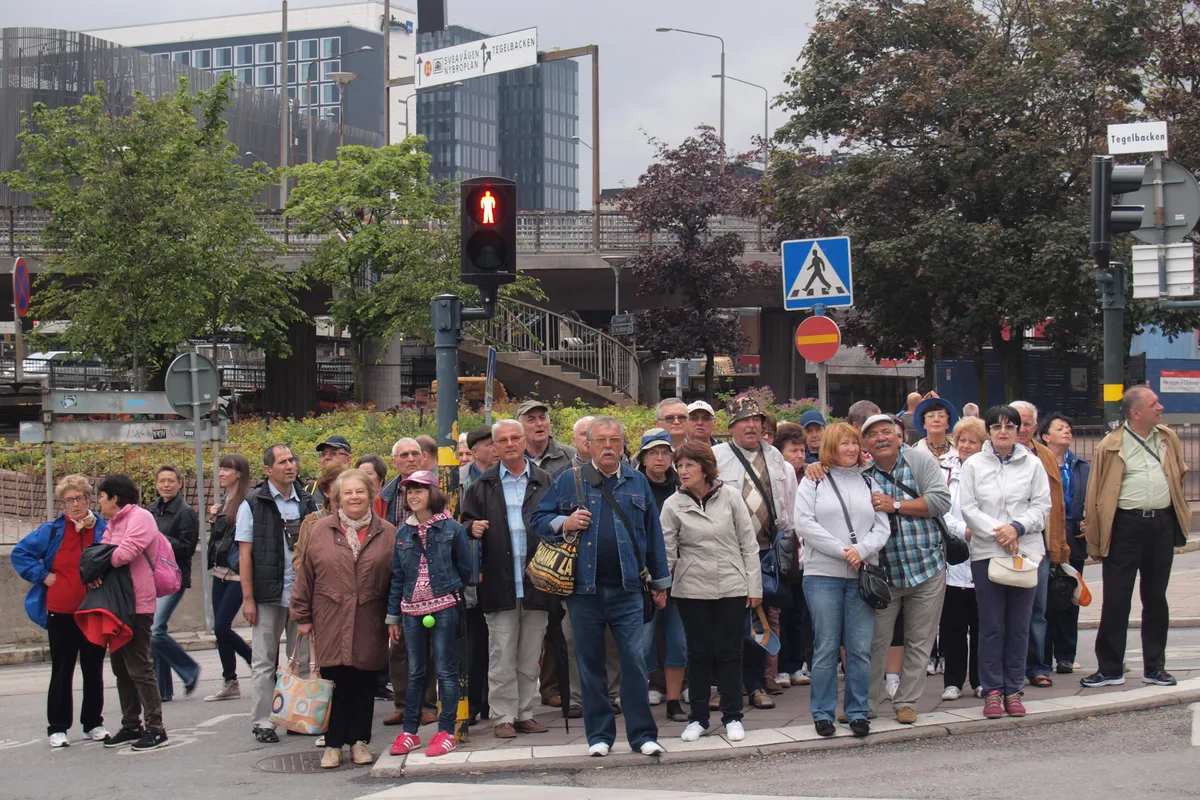
Split welcomed around 202,000 tourists in July, who generated approximately 677,000 overnight stays. Although the numbers are slightly weaker than last year, a change in the guest structure is noticeable. The number of Spanish tourists increased by 15 percent, German by 12 percent, and American by four percent. At the same time, there was a decline in arrivals from the Netherlands by 19 percent and from the United Kingdom by five percent.
Changes in guest habits are also being noticed by Split's restaurateurs. Ante Bakotić, manager of the restaurant Fife, points out that this year's visitors are more willing to spend more. "I think the guests this season are even a bit higher quality. There are fewer people, but they spend better. They don't look at prices at all, as far as we're concerned. They're here for better food, fish, a bottle of wine," said Bakotić.
His words are echoed by the tourists themselves. Donna, a guest from England, told RTL Danas that she spends around 80 euros a day, adding: "I think the prices are roughly on par with those in the UK, so they're quite high." Another, unnamed tourist revealed even higher expenses: "On average, when I include breakfast, lunch, and dinner, I'd say I spend around 100 to 150 euros. And with souvenirs and excursions, for example, maybe up to 200 euros."
Official data confirms that tourists are leaving more money behind. Ivana Vladović, director of the Split Tourist Board, revealed that Tax Administration data indicates an increase in spending, but she warns of a key factor behind these figures.
"We also have higher spending. Unfortunately, some of it is caused by price increases, which haven't only risen here but across the whole world. According to the financial data we receive from the Tax Administration, we do have higher spending," said Vladović.
Her statement reveals the crux of the problem: higher spending does not automatically mean a better financial picture for all stakeholders in tourism.
While some are recording revenue growth, small family-run rental businesses are facing serious challenges. Hana Matić from the association Save Small Family Renters warns that accommodation prices have remained at last year's levels, while operating costs have continued to rise.
"Revenues will be lower, prices have stayed the same, and costs have gone up. So what renters end up earning will certainly be worth much less than last year," said Matić.
The data so far paints a picture of a season without a dramatic decline, but with an increasingly complex calculation. Guests are spending more, partly driven by the general rise in prices, while rising costs simultaneously reduce what ultimately remains for those who earn their living from the season.