Zagreb Residents Come Up with a Way to Cool the City
A Reddit analysis sparked a flood of comments on combating hot asphalt, with Paris standing out as a model city that has achieved measurable results by greening its center.
A Reddit analysis sparked a flood of comments on combating hot asphalt, with Paris standing out as a model city that has achieved measurable results by greening its center.
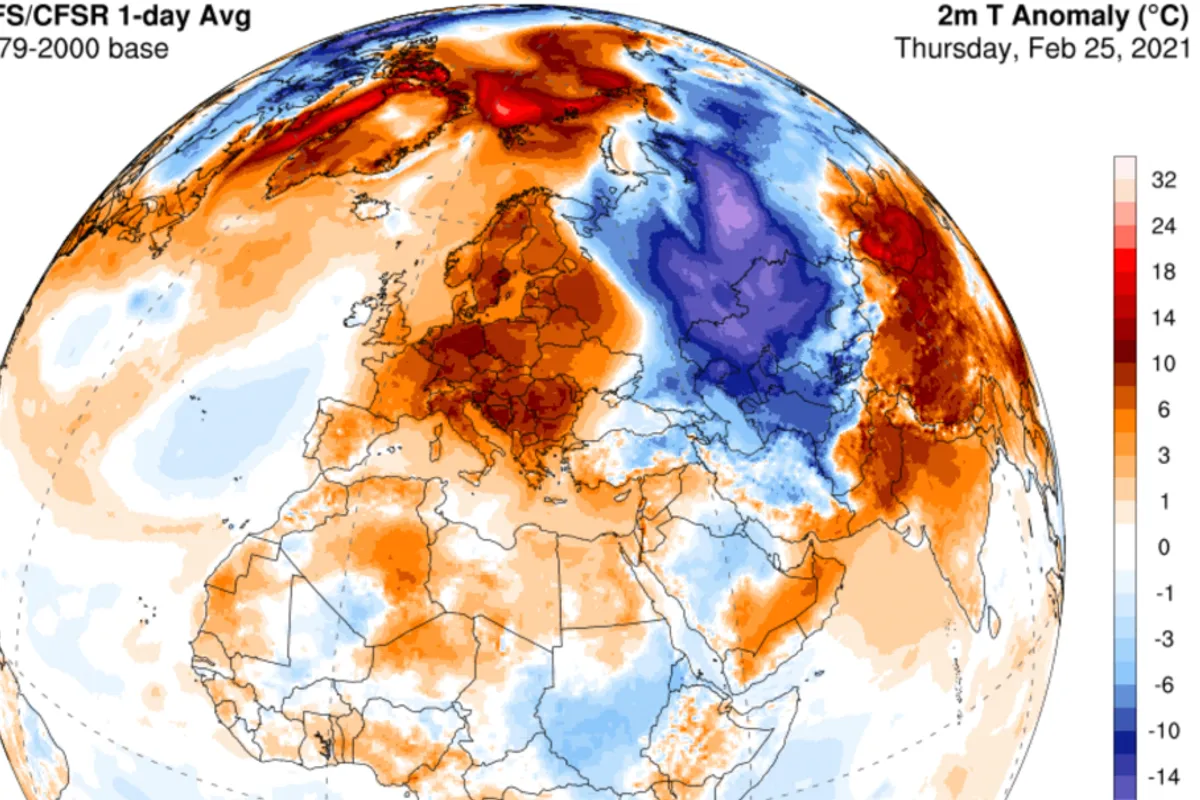
Temperatures above 30 degrees Celsius in Zagreb are becoming more frequent, and heatwaves are lasting longer. Searching for ways to make life easier in the sweltering metropolis, a Zagreb resident posted his own analysis of the city's fight against heat on Reddit, along with a series of proposals for further action. His post sparked heated reactions, with one idea proving particularly popular.
The author of the analysis believes that greening neighborhoods should be the main focus if Zagreb is to better combat increasingly intense heatwaves. "Greening neighborhoods should be the primary goal, both to give the city at least a chance to fight these heatwaves more effectively and to significantly reduce the impact of future heatwaves, which will be more frequent and longer-lasting," he wrote.
As a concrete example, he cited the former Gredelj site, a vast area that could be transformed into a large, high-quality park. He also pointed to examples of good practice from Europe: "Cities like Vienna, Copenhagen, and Paris have been reducing the urban heat island effect in recent years precisely through tree planting and increasing green spaces."
The Zagreb resident also highlighted a paradoxical situation with water. The city is fortunate to be supplied by aquifers along the Sava River, but overdevelopment reduces the space where water can infiltrate deeper layers. An additional problem is the significant losses in the network. "According to Zagreb Holding, water losses in the network are around 50%, meaning that almost half of the abstracted water never reaches end users," he warned.
He also addressed the lack of public places to cool down: "Zagreb desperately needs water fountains and places where citizens can fill their bottles when they're out and about. There are still some of those so-called 'franceks' around the city, but in the very center there are very few 'oases' where citizens, and even tourists, could fill up with water."
It was Paris that drew the most approval in the comments. "Planting, planting, and more planting of trees. Proven effect in Paris, where the center has become cooler than 15 years ago. You can't influence private plots, but there are so many grassy areas in Zagreb that could become parks or even small forests," one person pointed out.
Another user chimed in with their own impression from social media: "The other day, an Instagram reel popped up showing them removing stone and concrete surfaces and planting trees in place of those concrete structures. Paris has shown good initiative, they even cleaned the Seine, they're working on greening, but the question is how Zagreb will tackle all of this."
Part of the discussion shifted toward stricter regulation of private plots. One commenter proposed imposing an obligation on landowners to plant greenery, with the remark that private interests must not trump the public good. "Society must not be a victim of private interests," he said, adding that those who disagree with such a model could "move to the USA."
There were also pessimistic voices who believe it's too late for Zagreb. "Too late for measures, there's so much concrete that the city's sustainability is gone," one user wrote. One proposal was so unusual that the author had to stress he wasn't joking: painting asphalt white to reflect sunlight and thereby reduce the need for cooling.
The author of the analysis concluded with a note of caution. Although he noted that the City of Zagreb has launched a fight against climate change and that various programs exist, he assessed that for now they are "just dead letters on paper that have yet to be translated into something more concrete and tangible." He expressed hope that city authorities will stay focused on what affects the lives of all citizens and called on people to become more engaged and put pressure on politicians.