Albumin in Cerebrospinal Fluid: A Key Test for the Blood-Brain Barrier
Analysis of albumin in cerebrospinal fluid is an indispensable diagnostic tool in neurology, with elevated levels potentially indicating a range of serious conditions.
Analysis of albumin in cerebrospinal fluid is an indispensable diagnostic tool in neurology, with elevated levels potentially indicating a range of serious conditions.
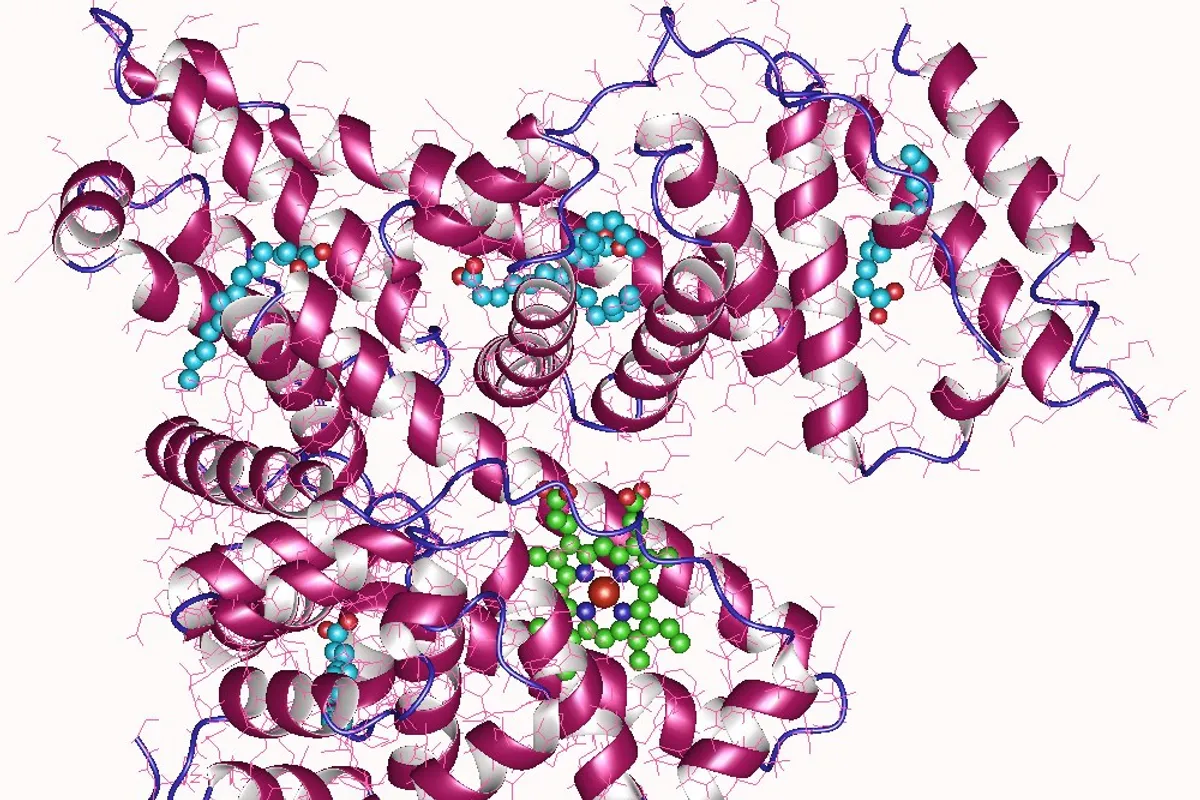
Analysis of albumin in cerebrospinal fluid (CSF) represents one of the key diagnostic tools in modern neurology. This seemingly simple test provides physicians with valuable insight into the state of the blood-brain barrier, a highly selective filter that protects our central nervous system. When this barrier is compromised, albumin-a protein produced exclusively in the liver-begins to 'leak' into the CSF, signaling potentially serious pathological processes.
Doctors typically refer patients for this test when they present with symptoms suggestive of a neurological disorder. These include persistent and unexplained headaches, nausea, vomiting, and neck stiffness. Alarming signs also include changes in mental status such as confusion, excessive drowsiness, or lethargy, as well as specific neurological deficits: tingling, weakness in the limbs, partial or complete paralysis, and problems with balance, vision, or speech. Since these symptoms can point to a wide range of conditions, CSF analysis becomes a crucial step in narrowing down diagnostic possibilities.
It is important to note that an elevated albumin level in the CSF is not a diagnosis in itself, but rather a strong indicator that guides further investigation. It is most commonly associated with inflammatory processes such as meningitis (inflammation of the meninges) and encephalitis (inflammation of brain tissue). In autoimmune diseases that target the nervous system, such as multiple sclerosis and Guillain-Barré syndrome, this finding often appears. Additionally, the presence of tumors-whether primary brain tumors or metastases-can disrupt the integrity of the barrier and cause albumin leakage. The same applies to physical damage from traumatic head or spinal cord injuries, intracranial bleeding, and stroke. Monitoring the progression of neurodegenerative conditions, such as Alzheimer's and Parkinson's disease, also utilizes this analysis.
A CSF sample for analysis is obtained through a procedure called a lumbar puncture. Despite the name sounding intimidating, the procedure is performed under local anesthesia to minimize discomfort. The patient typically lies on their side with knees drawn up to the chest, or sits leaning forward, which gently separates the vertebrae in the lower back and facilitates access to the spinal canal. After disinfecting the skin and allowing the anesthetic to take effect, the doctor inserts a thin, hollow needle between two vertebrae to collect a small amount of CSF into sterile tubes. During this, the patient may experience a feeling of pressure or a brief, sharp pain.
The concentration of albumin in the CSF alone does not provide a complete picture, as it also depends on its concentration in the blood. Therefore, to accurately assess the state of the blood-brain barrier, the albumin index, also known as the quotient, is used. This represents the ratio between the concentration of albumin in the CSF and that in the blood serum, collected at the same time. Since albumin is not produced within the nervous system, this ratio faithfully indicates the level of barrier permeability.
According to data from Ordinacije.hr, the values are interpreted as follows:
Special preparation for a lumbar puncture is generally not required, but it is extremely important to inform the doctor of all medications you are taking, with special emphasis on blood thinners, which increase the risk of bleeding. The most common consequence of the procedure is a headache that appears within a few hours or days, typically worsening when the person sits up. To reduce this risk, it is recommended that the patient rest in a lying position for at least one to two hours after the procedure and increase fluid intake. Although rare, other possible complications include infection, bleeding in the spinal canal, or nerve damage.