U.S.-Ukraine Intelligence Sharing Back at High Levels
Senators confirm improved cooperation, bolstering Ukraine's military efforts at a critical juncture in the war.
Senators confirm improved cooperation, bolstering Ukraine's military efforts at a critical juncture in the war.
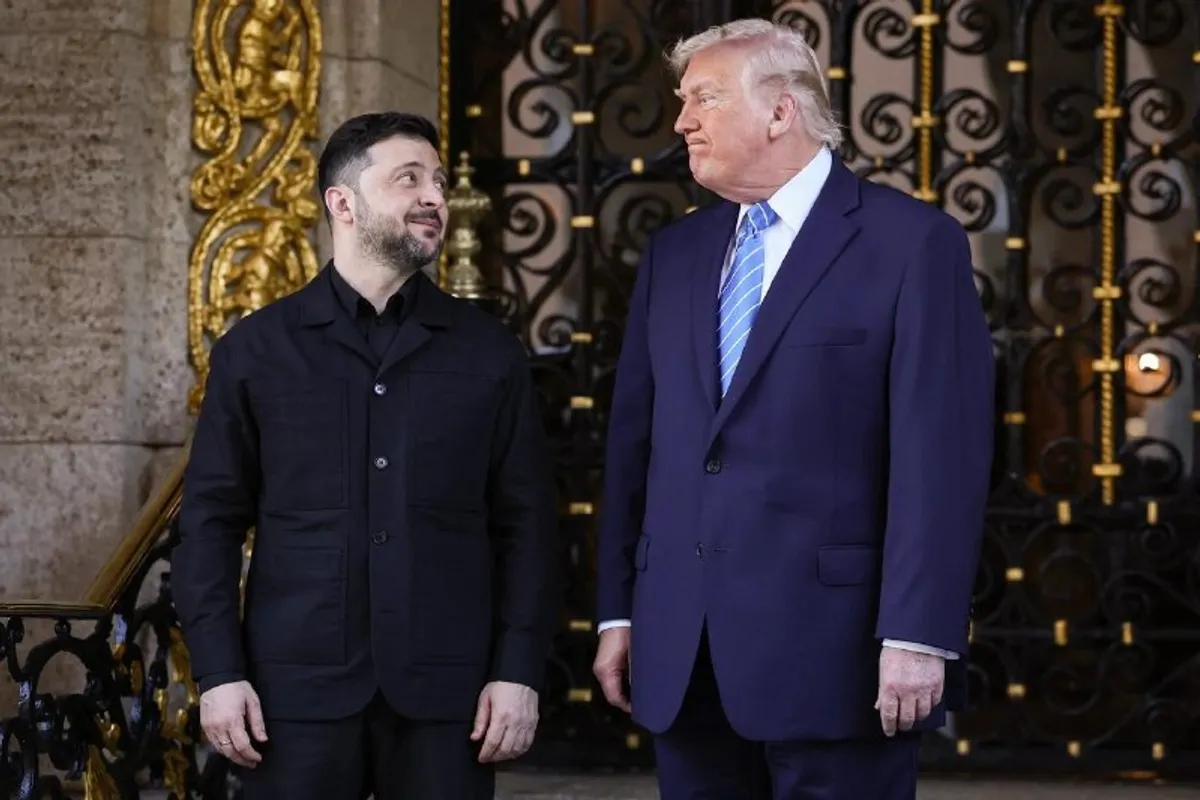
Intelligence sharing between the United States and Ukraine has returned to previous high levels, Politico reported on Wednesday, citing sources monitoring the situation. This development is described as a long-awaited positive boost during a critically important period for Ukraine's military efforts.
Several high-ranking U.S. senators have confirmed the improved cooperation. Democratic Senator Mark Warner of Virginia, a senior member of the Intelligence Committee and a longtime advocate for increased aid to Ukraine, told Politico he sees signs of progress in the data-sharing agreement.
"I don't want to go into details, but the situation has improved," Warner said, adding that Ukraine's use of drones and long-range missiles has enabled it to strike deep into Russian territory and strengthen its positions.
Republicans share a similar view. Senator John Cornyn of Texas, a member of the same committee, and Roger Wicker of Mississippi, chairman of the Senate Armed Services Committee, agreed that intelligence sharing has been intensified at a strategically important moment.
"It seems so. Everyone loves winners, and it appears Ukraine has turned the tide," Cornyn stated.
Democratic Senator Tim Kaine, a member of the Armed Services Committee, also noted signs of intensified interaction between the two countries. He bases his impressions on direct experiences from the field.
"I was in Ukraine in April 2025 and visited again in July 2026. I notice a greater sense of confidence in the communication," Kaine told Politico.
George Barros, director of innovation and open-source methods at the Institute for the Study of War, emphasized that cooperation with the U.S. has become a key factor in Ukraine's positive turnaround. Trump approved intelligence sharing for Ukrainian strikes on Russian energy infrastructure, which was an important element in creating an incentive mechanism for Moscow to come to the negotiating table. Barros added that American early warning systems have been alerting Ukrainians to impending Russian missile attacks since the early days of the war, and the strikes themselves, supported by U.S. intelligence, have become "extremely powerful."
Although Washington plays a key role in providing data, the benefit is mutual. John Herbst, who served as U.S. ambassador to Ukraine from 2003 to 2006 and maintains contacts with Ukrainian officials, highlights the value of information coming from Kyiv.
"There is no doubt about the following: Ukraine possesses extremely valuable intelligence on Russia," Herbst said.
The White House did not provide details on any potential expansion of relations with Ukraine in the field of intelligence sharing, although it emphasized that former President Trump is focused on ending the war. The Central Intelligence Agency (CIA) and the Office of the Director of National Intelligence (ODNI) did not respond to Politico's request for comment.
Politico also notes that Russia previously offered the U.S. a deal in which the Kremlin would stop sending intelligence to Iran if Washington halted its provision to Ukraine. Recall that in April 2026, it was reported that the United States removed some restrictions on intelligence sharing with Ukraine amid an intensified Russian offensive in the east and south of the country.