Veteran Velibor Šuman Refused to Retire at 28
Former member of the 116th Brigade of the Croatian Army now works five hectares in the Neretva Valley and battles bureaucracy that blocks his access to subsidies.
Former member of the 116th Brigade of the Croatian Army now works five hectares in the Neretva Valley and battles bureaucracy that blocks his access to subsidies.
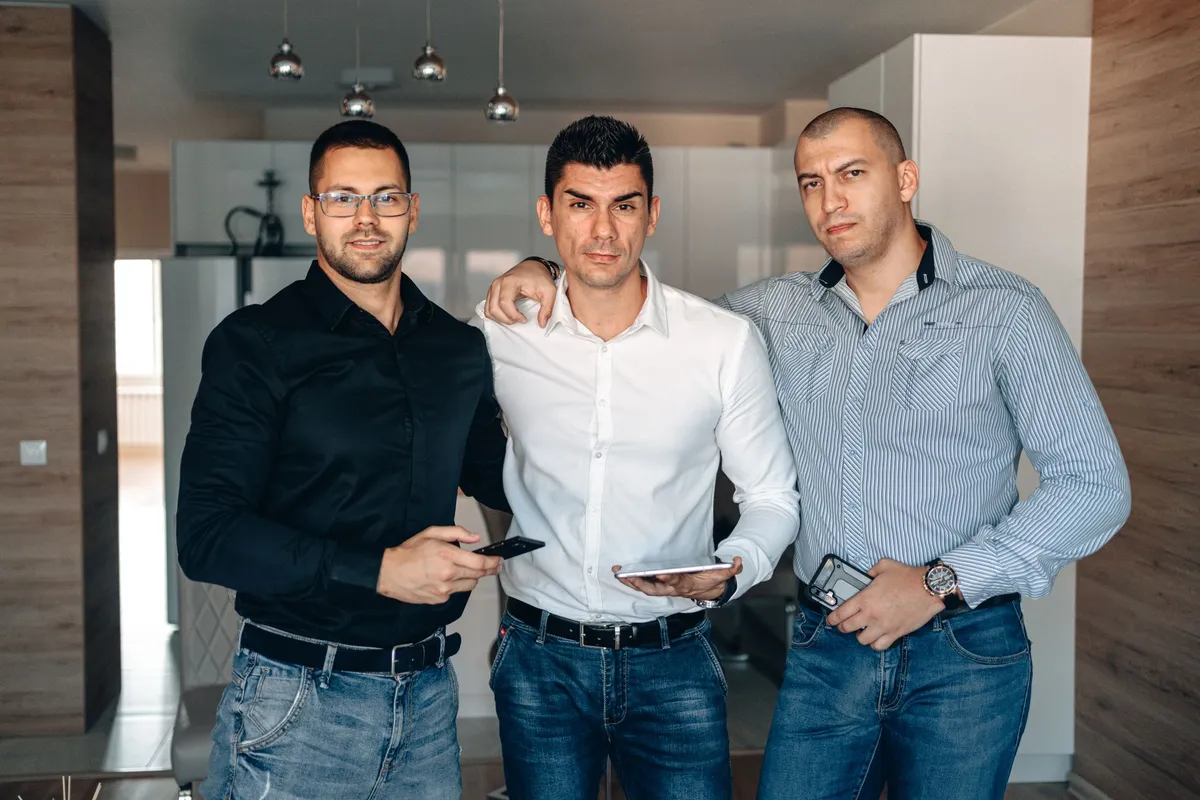
In the early morning hours, as the sun illuminates the fertile fields of the Neretva Valley, Velibor Šuman (56) from Komin is already among his crops. Instead of a weapon, he now holds a tool in his hands, inspecting rows of watermelons that have ripened under the summer sun in this region. Nothing about this farmer suggests that thirty years ago he was a member of the Croatian forces, among those who spent the first days of freedom in military gear.
Šuman, known to friends and fellow soldiers as Šibenik, was born in 1970 in Komin. In 1991, he joined the Croatian Army, becoming part of the 3rd Company of the 3rd Battalion of the 116th Brigade. He later transferred to reconnaissance units, where he remained until the autumn of 1995, when he ended his participation in the war and was demobilized.
He spent years on the southern front, participating in nearly all operations. When he speaks about the war, he does not highlight his own merits. Instead, he talks about those with whom he shared trenches, guard duty, and difficult moments. He particularly remembers the period of Operation Storm, when many veterans from the south wanted to take part in the final operations.
We were forced to stay in our positions, even though we wanted to join Operation Storm. At that time, attacks by the JNA and Chetnik forces from Eastern Herzegovina were intensified. Our task was to guard the south of Croatia, so we could not leave our positions, Šuman told Slobodna Dalmacija.
After demobilization, many veterans took different paths in life. Velibor Šuman chose the path that still defines him today-he refused the veteran's pension. He decided to work.
How could I retire at 28? That was unthinkable to me, he recalled his beginnings in agriculture.
Thus, his family farm was born, which he now runs together with his wife and their two children. On five hectares, he grows watermelons, citrus fruits, and various types of fruit and vegetables depending on the season. They market their products independently, through direct sales in Istria, where they have stalls.
Among the rows of traditional red watermelons, a true attraction has found its place in recent years-the yellow watermelon.
At first, people were skeptical. They found it strange to see a watermelon with yellow flesh, so they hesitated to buy. But it was enough for them to try it once. Today, customers come specifically for it and often ask for it as soon as they arrive at our stall, said Šuman.
For him, patriotism is not a term mentioned only on anniversaries. It is, as he says, manifested daily-when you stay to live in your birthplace, when you cultivate the land, and when you raise your children to appreciate hard work.
The war ended more than three decades ago, but for Velibor Šuman, one battle still continues-the one with administration. He uses state agricultural land based on an agreement with the competent state attorney's office and regularly pays the lease. However, since he does not have a long-term lease agreement, he cannot exercise the right to state subsidies or use funds from European funds for the development of his family farm.
I am not the only one. Many of us are in a similar situation. It would be more favorable for the state to enable us to have long-term contracts so that we can invest, expand production, and pay pension and health insurance through the family farm. It is better for us to work and create than to depend on social assistance or early retirement, Šuman urges.
He is not asking for privileges, but for equal rules for all those who want to live from their own work. He believes that the state and local authorities, in cooperation with the Ministry of Agriculture, could find a solution. Until then, he continues to work as before-relying mainly on his own strength, experience, and perseverance.