Dubrovnik Men in Operation Storm: Their Pay Was Full of Fruit
Pero Sekondo and Luka Rilović, Military Police members from Konavle, break the myth and reveal lesser-known details about entering Knin and the days after liberation.
Pero Sekondo and Luka Rilović, Military Police members from Konavle, break the myth and reveal lesser-known details about entering Knin and the days after liberation.

Exactly 31 years after the start of the military-police operation 'Storm', two men from Konavle, Pero Sekondo and Luka Rilović, decided to speak out about their role in the liberation of Knin. Their testimony shatters the common belief that no one from the Dubrovnik area took part in that key operation. "It's a common belief that no one from the Dubrovnik area was in 'Storm'. But there were members of the Special Police 'Grof' and us, along with a few conscripts," emphasizes Pero Sekondo, a sergeant and retired military officer.
It all began on August 3, 1995, when they arrived in Split on the orders of Captain Kralj. "At first, we didn't know where we were going or what was happening," Sekondo and Rilović recall. Luka Rilović, a staff sergeant and platoon commander in the Dubrovnik Military Police company, reveals that the operation was top secret: "No one mentioned Operation 'Storm'; it was a secret." After drawing additional weapons in Split, they boarded a bus and headed via Trilj, Sinj, and Livno to Lištani, where the command was located with Generals Ademi and Gotovina.
The key moment came on August 5, 1995, at 10 a.m. "We formed up and received a direct order from Minister Šušak about our specific tasks in Operation 'Storm'," says Sekondo. Their primary task was clear: secure the city, prevent riots, and preserve materials from the enemy command.
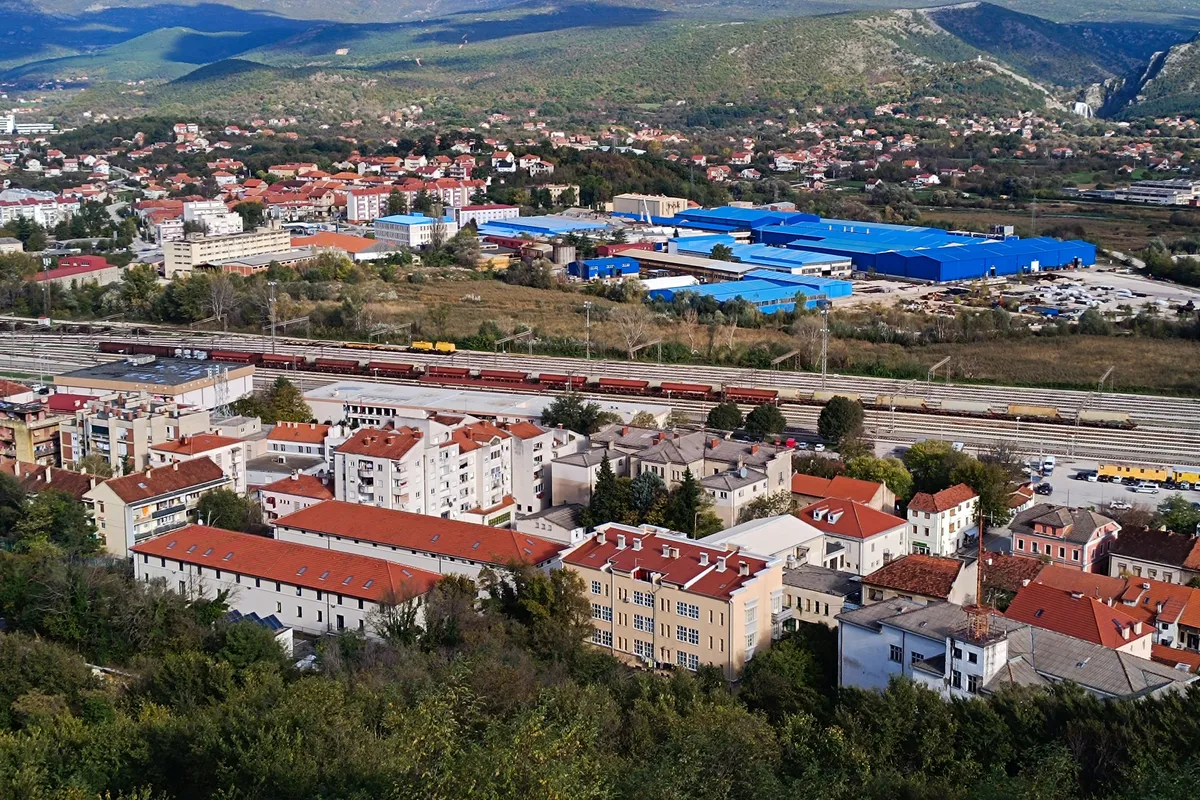
Arriving in Knin in the afternoon hours of August 5, Rilović describes it: "It looked catastrophic. Terrible scenes... We found quite a few of their people." Despite that, they also came across a sight that testified to the enemy's complete surprise. "They didn't expect us to succeed in the operation; their pay was full of fruit and vegetables; it was just another day for them," say Sekondo and Rilović.
In the command they were securing, a bottle of Ballantines and a message awaited them on the table: 'Uncle, you won the first half; we'll play the second.' Sekondo, who was at the checkpoint with Josip Burić, also recalls that enemy soldiers in desperation tried to find refuge in the UNPROFOR camp: "They saw they couldn't do anything more and wanted to sneak into the UNPROFOR camp. But we cleverly dressed in civilian clothes and waited."
The days after liberation were marked by harsh conditions and constant danger. "I'll never forget the heat and thirst. Summer, scorching heat, covered in dust from passing trucks, and no way to get water to drink," says Rilović. Along with physical exhaustion, there was also worry for their families. They spent 18 days in Knin without any communication with home. "They didn't know if we were alive," Rilović recalls.
Their tasks also included apprehending remaining enemy soldiers. "We arrested about 40 of their soldiers," reveals Rilović. There were also dangerous incidents. "Once, two of their men in civilian clothes were heading toward our guys and were about to throw a bomb at them, but the bomb fell and injured them, so we arrested them," he adds. Despite the tension, he emphasizes that no one from the local population, mostly elderly, was mistreated.
Croatian President Dr. Franjo Tuđman arrived in Knin on August 6, 1995, and Pero Sekondo and Luka Rilović were part of his security detail. Pero Sekondo points out that everything is well documented: "The commander who led us then, Captain Boško Đolić, was a key witness for General Gotovina in The Hague. He testified about the role of the Military Police in Operation 'Storm'." Their unit, the 5th Company under the command of the 72nd Military Police Battalion, operated not only in 'Storm' but also on other battlefields such as the Livno Field, Herzegovina, and Stolac.
Today, both retired (Sekondo since 2017, Rilović since 2024), they smile as they recall an anecdote from their return home when an elderly driver mistook them, adorned with Serbian army trophies, for Chetnik forces. "The poor man thought the Chetnik army had occupied us," they laugh. They gladly share their memories, especially the legendary photo with the 'Knin' sign, because as Rilović puts it: "People who were nowhere near these events talk about them, so it's only fair that we say something too."