Đuroković: River Levels Lowest in 200 Years
Historic lows on the Danube and Drava threaten navigation, agriculture, and ecosystems. Hrvatske vode calls for reservoir construction and reduced water supply losses.
Historic lows on the Danube and Drava threaten navigation, agriculture, and ecosystems. Hrvatske vode calls for reservoir construction and reduced water supply losses.
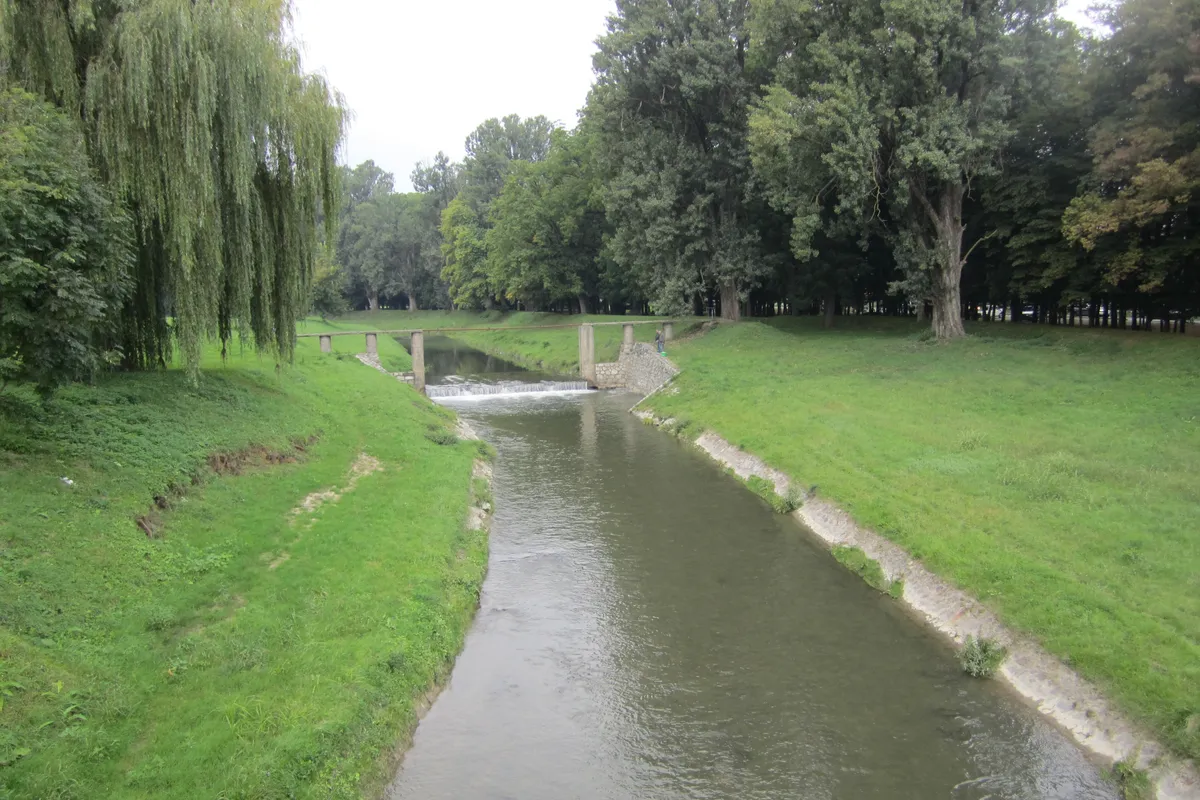
Croatia is facing an unprecedented hydrological crisis. Zoran Đuroković, General Director of Hrvatske vode, warned on the show "Novi dan" on N1 television that river levels have fallen to levels not seen in the last 200 years, and the Orljava River near Požega could completely dry up in the coming days.
According to Đuroković, yesterday a historic minimum on the Danube of only 144 centimeters was recorded, while the Drava in Osijek reached a level of minus 189 centimeters. The record low for the Drava is minus 192 centimeters. "The water gauge in Osijek has existed since 1827, and it is now clear that for 200 years we have not had such low water levels on the Drava, the Danube, and unfortunately all other rivers in Croatia," Đuroković stated for N1 Hrvatska.
Mario Spajić, Deputy Director of the Water Management Department for the Danube and Lower Drava at Hrvatske vode, explained to OsijekNews that the current situation is the result of several consecutive adverse factors, including a prolonged lack of precipitation and extreme temperatures that intensify the effects of drought. This summer, the Drava has reached a new record low water level three times.
The most dramatic situation is in the Požega area. "The Orljava River could dry up in the Požega area in the coming days. If we had a reservoir upstream of the town, we would release water during low water levels and provide an ecological minimum," said Đuroković. He emphasized the need to build more reservoirs that would collect water during autumn and winter for dry periods.
On smaller watercourses, including the Vuka, Karašica, Vučica, and Baranjska Karašica, as well as numerous canals, extremely low water levels have also been recorded. Water temperatures at some locations reach 26 degrees Celsius, while many fish ponds have recorded temperatures above 30 degrees, posing a serious threat to fish stocks.
Due to the extremely low water level, it is currently impossible to reach the port of Osijek. Navigation on the Danube remains possible, but with restrictions on vessel loading, while certain sections of the Drava are significantly more challenging for navigation. "The damages are extensive, but we depend on nature. We have an extreme drought, and unfortunately, the next seven days do not look more favorable," Đuroković warned.
He added that even heavier rain in Baranja would not be enough to recover the Danube's water levels. "There must be heavier rains upstream in Europe, and then it takes about 10 days to feel the rise in water levels," he explained. Due to record heatwaves that further worsen the situation, the State Hydrometeorological Institute (DHMZ) has issued a new warning.
Despite increased water consumption during the heatwave, public water utility providers currently have no difficulties with the yield of water sources or the quality of water for public supply. Problems may arise with certain private wells, especially in higher terrains.
However, Đuroković pointed to the chronic problem of losses in the water supply system. "It is no secret that we lose 50 percent of water in the water supply system. Water is the most important resource worldwide; we have enough of it, but it needs to be managed well," Đuroković concluded. He also reminded that all this is happening on the 150th anniversary of water management in Croatia, when Bishop Juraj Strossmayer founded the first water management cooperative.
The receding water has exposed parts of the riverbed and objects that have been hidden for years. Near Osijek, an unexploded explosive device was recently found, precisely due to the record low water level. Hrvatske vode warns citizens not to walk on exposed parts of the riverbed and sandbars, as these areas can be seriously dangerous.