EU Activates Largest Fire Response in History
As Southern Europe Battles Devastating Wildfires, Brussels Debates Whether to Invest More in Firefighting or Prevention
As Southern Europe Battles Devastating Wildfires, Brussels Debates Whether to Invest More in Firefighting or Prevention
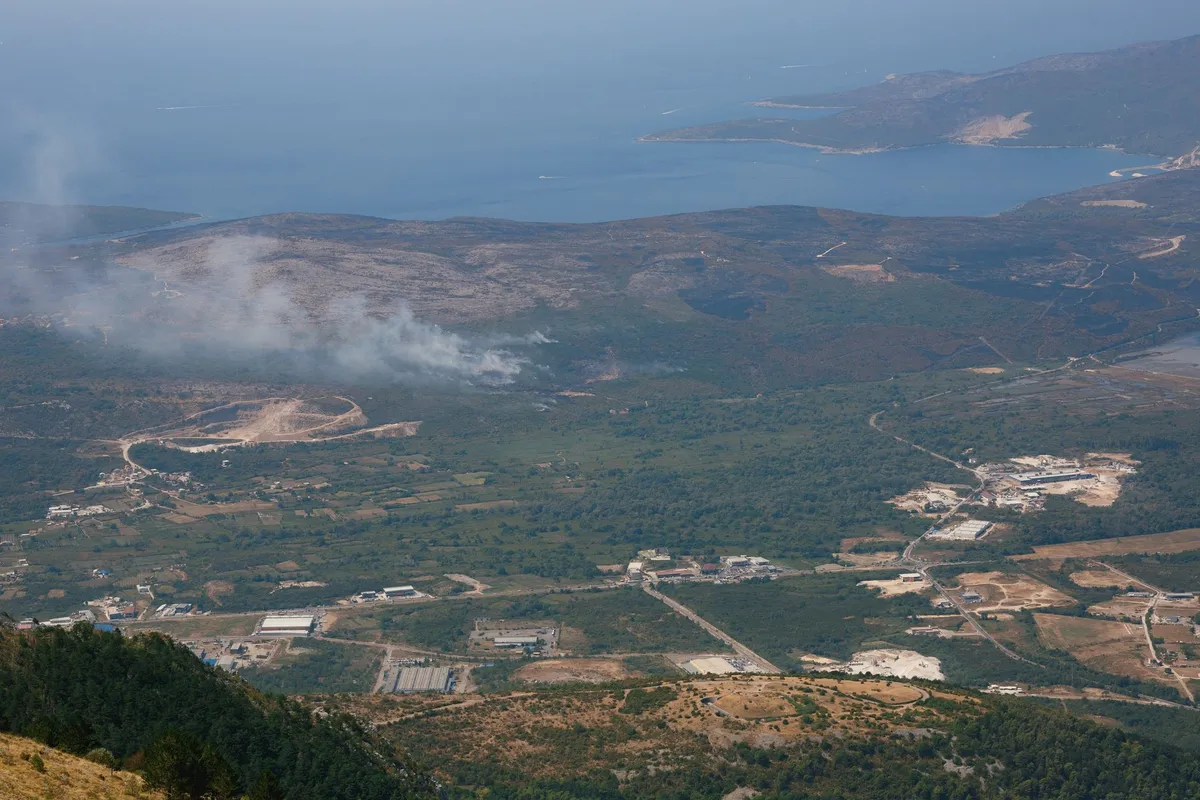
The European Union is facing one of its most challenging summers in the fight against wildfires, having mobilized its largest response in history. At the same time, a tragic event in Greece and a major fire in France underscore the urgency of questions about future investment priorities.
On Monday, August 3, 2026, two firefighting helicopters collided northwest of Athens while battling a blaze, killing two people. The New York Times reports that Greece has been battling more than 200 fires over the past week. On the same day, a fire in southern France was declared 'stabilized,' according to Anadolu Agency, after 1,850 hectares were burned, with 1,500 firefighters still deployed on the ground.
The European Union's response to this year's fire season is unprecedented. According to Euronews, the rescEU mechanism, responsible for emergency interventions, has aircraft and helicopters available for firefighting. In addition, 777 firefighters from 14 member states have been pre-deployed, and a new air hub has been established in Cyprus. Real-time coordination of resources is managed by the Emergency Response Coordination Centre.
The European Forest Fire Information System (EFFIS) also plays a key role in early warning, forecasting fire danger up to ten days in advance. The Copernicus satellite system maps active fires and burned areas, giving national authorities a valuable advantage.
This summer has reopened a well-known debate in Brussels: whether to channel more money into firefighting or into preventing fires. In March 2026, the European Commission published a strategy emphasizing prevention, including land management, creating firebreaks, stricter building regulations, and ecosystem restoration.
Officials have acknowledged that when a fire front stretches for kilometers, aircraft can only contain it, not extinguish it. This raises the question for policymakers and citizens alike: should the EU invest in even more planes and firefighters, in more precise satellite forecasting, or in a significant push toward prevention?