EU Sends Ukraine $1.62 Billion from Interest on Frozen Assets
The European Commission has made a fifth transfer of funds generated from blocked Russian state reserves, drawing sharp condemnation from Moscow and threats of retaliation.
The European Commission has made a fifth transfer of funds generated from blocked Russian state reserves, drawing sharp condemnation from Moscow and threats of retaliation.
The European Union continues to leverage the financial returns from sanctions to aid Kyiv. On August 4, 2026, the European Commission announced it would make $1.62 billion available to Ukraine, raised from interest on frozen Russian assets. The funds were transferred on Monday from deposit accounts within the EU, marking the fifth such transfer to date.
Commission President Ursula von der Leyen stated that Moscow "must pay for the destruction it has caused. And we are using the revenues from immobilized Russian assets to ensure that it does." She added that this amount would "support Ukraine's continued resistance against Russia's illegal war."
The frozen Russian assets have generated a total of $9.23 billion in interest. The lion's share, approximately $213 billion, is held by Euroclear, a financial infrastructure group based in Belgium. An additional $29 billion is distributed mainly across France, Germany, Sweden, and Cyprus, according to data cited by the European Council in December 2025.
Brussels argues that while the assets themselves are blocked, the interest does not belong to Russia, and it has decided to channel the net profits into aid for Ukraine. The bulk of the revenue, as much as 95 percent, will be allocated to the Cooperation Mechanism for Ukraine Loans, which helps repay financial credits and loans from the G7 group. The remaining 5 percent is earmarked for military and defense needs.
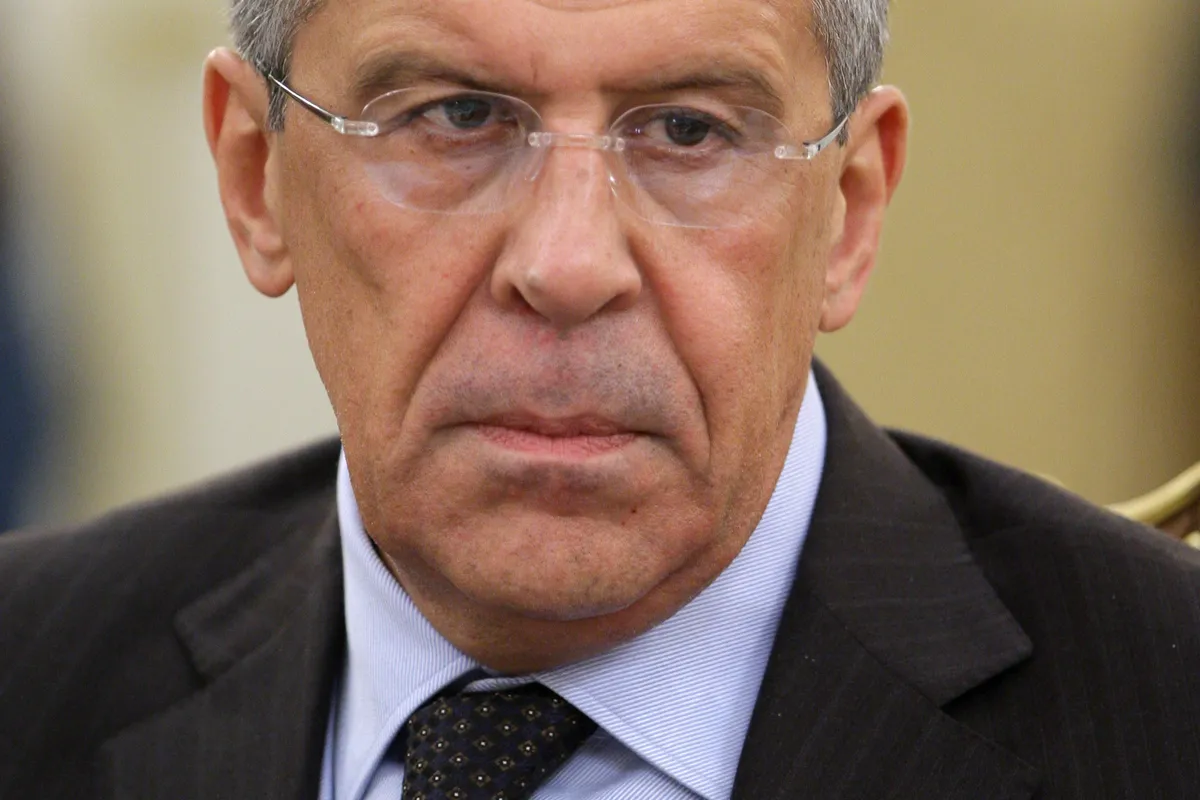
Moscow has reacted sharply to the practice of sending money to Kyiv. Russian Foreign Minister Sergey Lavrov stated on June 24, 2026, that there is a difference between freely disposing of one's own assets and a situation where funds are frozen. "When your assets are frozen and they tell you: 'Sit tight for now, while we generate additional profit here and hand it all over to Ukraine,' that is a very serious matter from the standpoint of the West's attempt to convince everyone that the world order they created and that functioned through modern global governance institutions-the IMF, the World Trade Organization-is still relevant," Lavrov said.
Russia's Permanent Representation to the EU also weighed in, accusing "European bureaucracy" of "disregarding economic costs and continuing its course of escalating the conflict with Russia." The statement said these measures would "further exacerbate the already acute social and economic problems in the European Union" and confirmed that "the hostile unilateral coercive measures of the European Union against our country will meet with an effective and appropriate response from Russia."
The interest transfer comes just a week after EU member states agreed on a 21st package of sanctions against Moscow. On July 23, 2026, von der Leyen announced that 32 Russian banks, as well as oil trading platforms and cryptocurrency companies, would be added to the transaction ban list. The new package also freezes the price cap on Russian oil for a year "so that the Russian war machine does not profit from market shocks," she said at the time.
For Croatia, as a member of the European Union, these decisions mean continued participation in the common sanctions policy and financial support for Ukraine, which directly impacts the European security architecture and economic relations with Russia.