Could Iran Gain Control of the Strait of Hormuz?
A potential deal with Oman would mark a massive shift in the balance of power in the Middle East and raise alarm in Washington.
A potential deal with Oman would mark a massive shift in the balance of power in the Middle East and raise alarm in Washington.
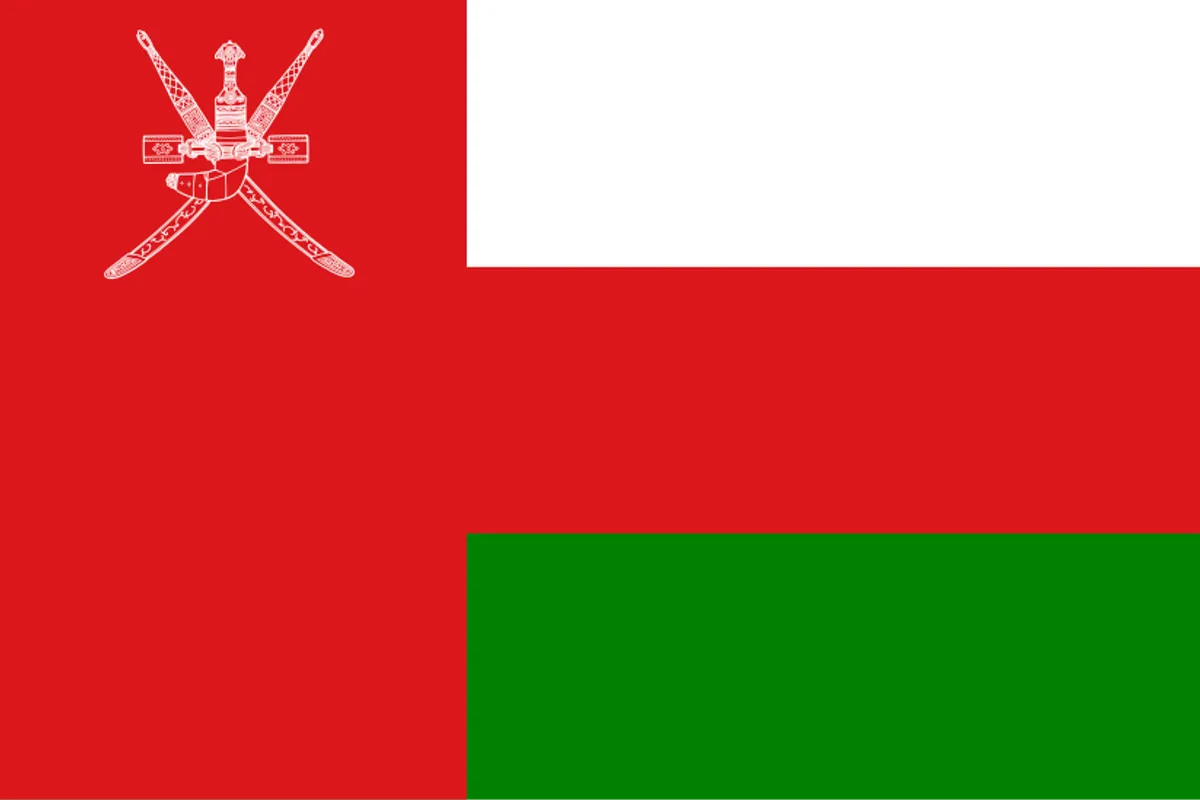
A potential peace deal that would end the five-month conflict between Iran and the United States could give Tehran control over the navigation of vessels entering the Persian Gulf through the Strait of Hormuz. This alarming news was reported on Wednesday by Iranian and regional sources, as relayed by Reuters.
Such a deal, if realized, would represent one of the largest concessions to Iran to date and would dramatically alter the balance of power in the Middle East. The American side has not yet officially commented on this proposal, but officials in Washington have repeatedly stressed that the U.S. would never agree to Iran controlling access to one of the world's key energy transport routes.
Before the outbreak of the war, the Strait of Hormuz was freely open to navigation for all ships without any fees. An agreement that would allow Iran to oversee this strategic passage would mark a significant shift in the regional balance in favor of Tehran, notes Reuters.
In recent weeks, Iran and Oman have been holding bilateral negotiations on navigation rules through the strait, which both countries manage along their coastlines. Iran has officially announced that "major progress" has been made in the talks, and that under a possible agreement, ships passing through the Strait of Hormuz would enter and exit the Persian Gulf exclusively through Iranian waters.
Simultaneously, Iran has issued a stern warning to the Gulf countries. According to five sources familiar with the discussions, Tehran has conveyed that any new American attack on its territory could trigger a response targeting key energy infrastructure in the region.
"Iran's warning was unequivocal: if America attacks Iranian infrastructure, the response will come with strikes on energy facilities in the Gulf and other regional targets," one source familiar with the talks told Reuters.
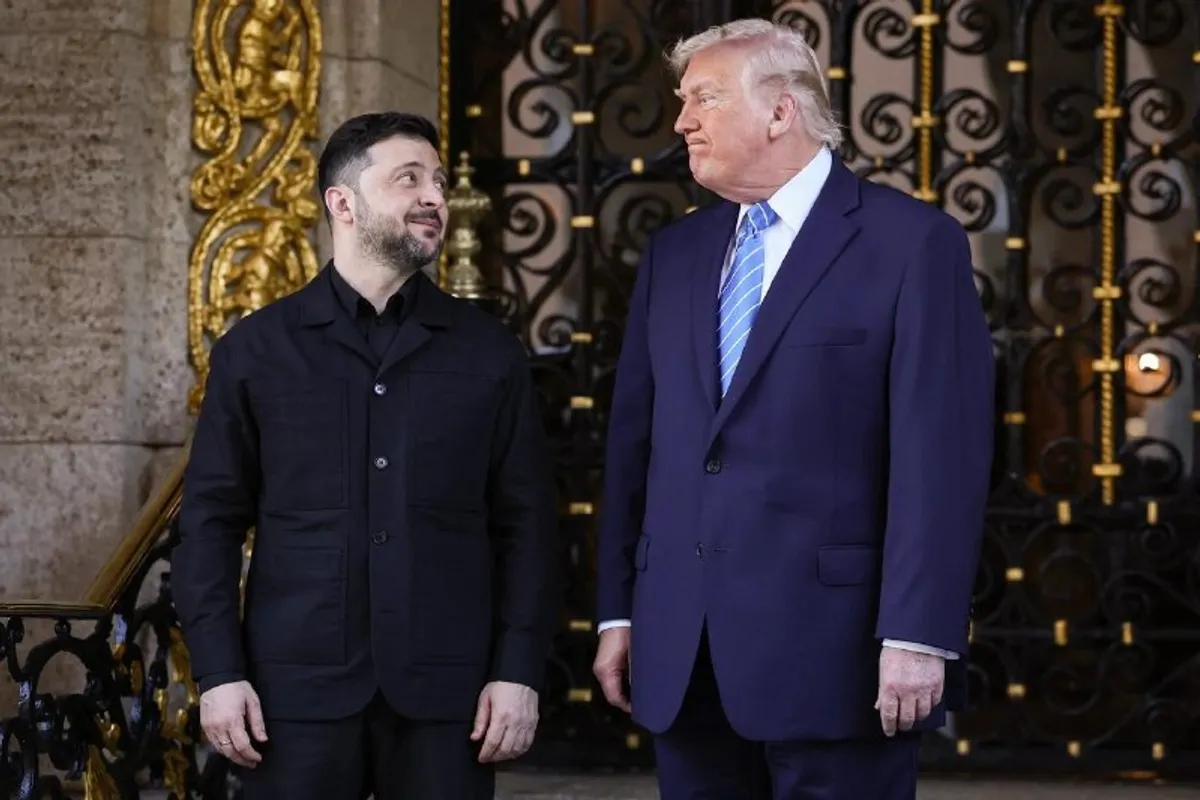
U.S. President Donald Trump, at a rally in Las Vegas, stated that he prefers a diplomatic solution, emphasizing that he would rather reach a deal because he does not want to "kill people." He also previously stated that a deal to reopen the strait is within reach.
The war began on February 28, 2026, when the United States and Israel launched attacks on Iran. According to Iranian figures, more than 3,400 people have been killed since the start of the conflict. On the other hand, Washington has officially reported 18 U.S. military personnel killed.
Although there is no direct Croatian involvement in this conflict, a potential change in control over the Strait of Hormuz could have serious consequences for global energy security and energy prices, which would indirectly affect Croatia and the European Union as well.