Iran Rejects Oman's Proposal on Strait of Hormuz, Missile Strikes US Bases
Meanwhile, Iran's Revolutionary Guard Stops Three Tankers in Strategic Waterway, Oil Prices Jump Over Four Percent
Meanwhile, Iran's Revolutionary Guard Stops Three Tankers in Strategic Waterway, Oil Prices Jump Over Four Percent
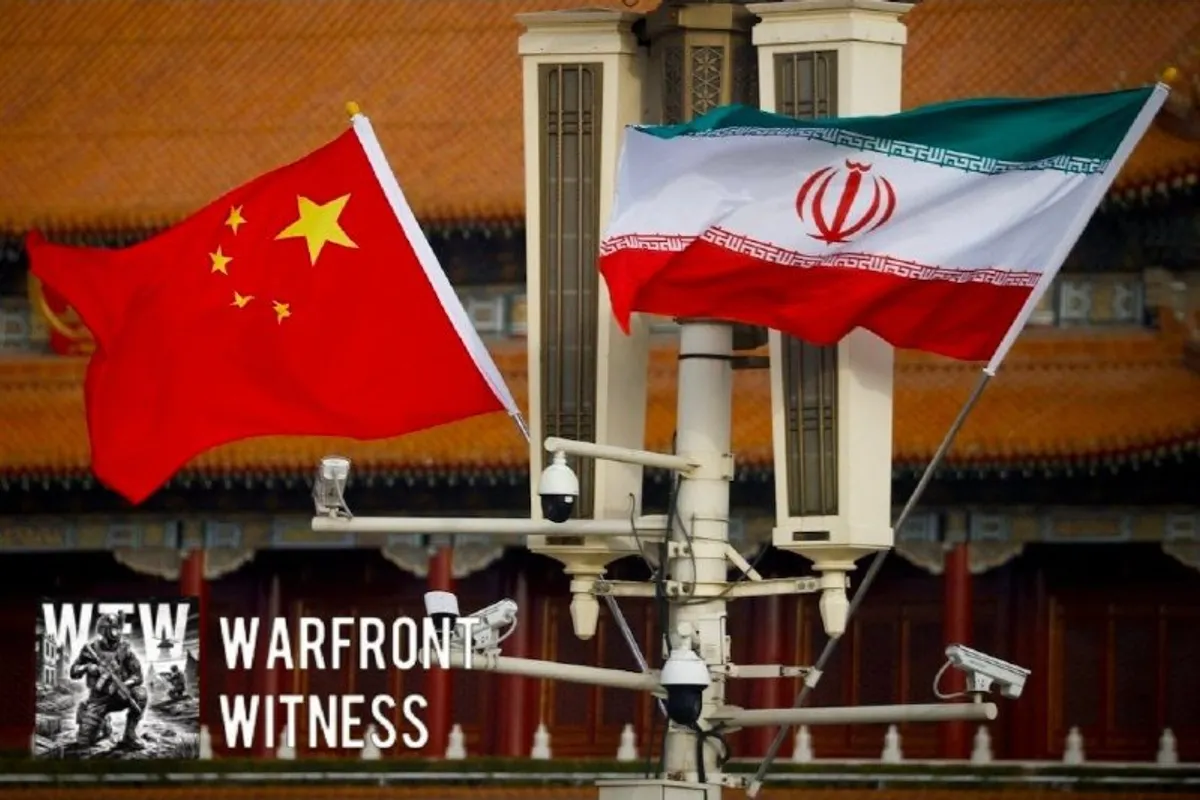
On Wednesday, Iran rejected a proposal from Oman, supported by Gulf states, for joint management of the Strait of Hormuz and on the same day launched ballistic missile attacks on US military bases in the Middle East, while members of Iran's Islamic Revolutionary Guard Corps (IRGC) stopped three oil tankers. This escalation, reported by Al Jazeera, came just five days after US President Donald Trump ended a two-week bombing campaign against Iran, claiming that "good talks" were underway.
According to Reuters, on July 28, Oman presented a proposal to Iran, backed by Gulf countries, for joint regional management of the Strait of Hormuz. The plan was modeled after the solution for the Strait of Malacca and would allow Tehran to collect voluntary fees from ships passing through this waterway crucial for global oil transport. The aim was to reduce tensions and stabilize maritime traffic after months of disruption caused by conflict.
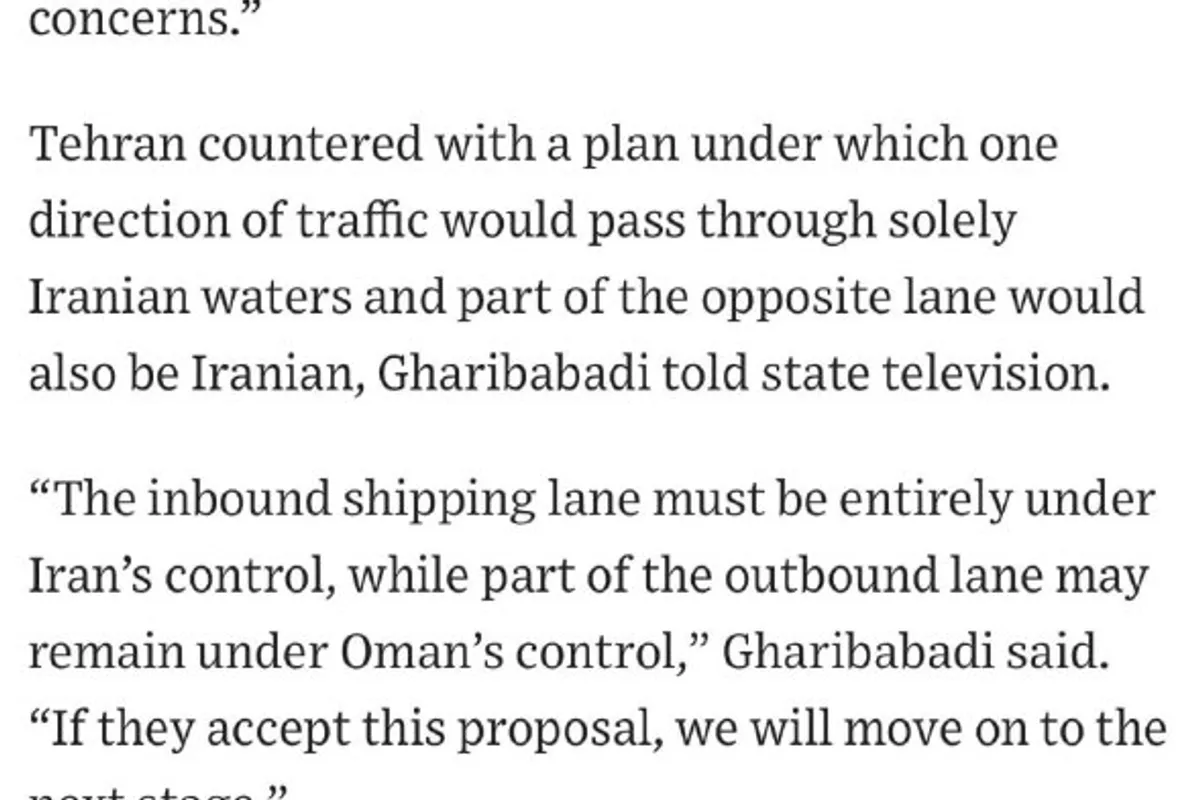
However, Iran rejected equal control. As Slavyangrad reports, Tehran demanded a lion's share of control over the strait on Tuesday. Al Jazeera reports that Iranian Deputy Foreign Minister Kazem Gharibabadi stated on state television that Iran does not agree to an equal distribution of transit routes and proposed that it manage navigation on its own side of the strait, while Oman would take a part, but not the entire opposite lane.
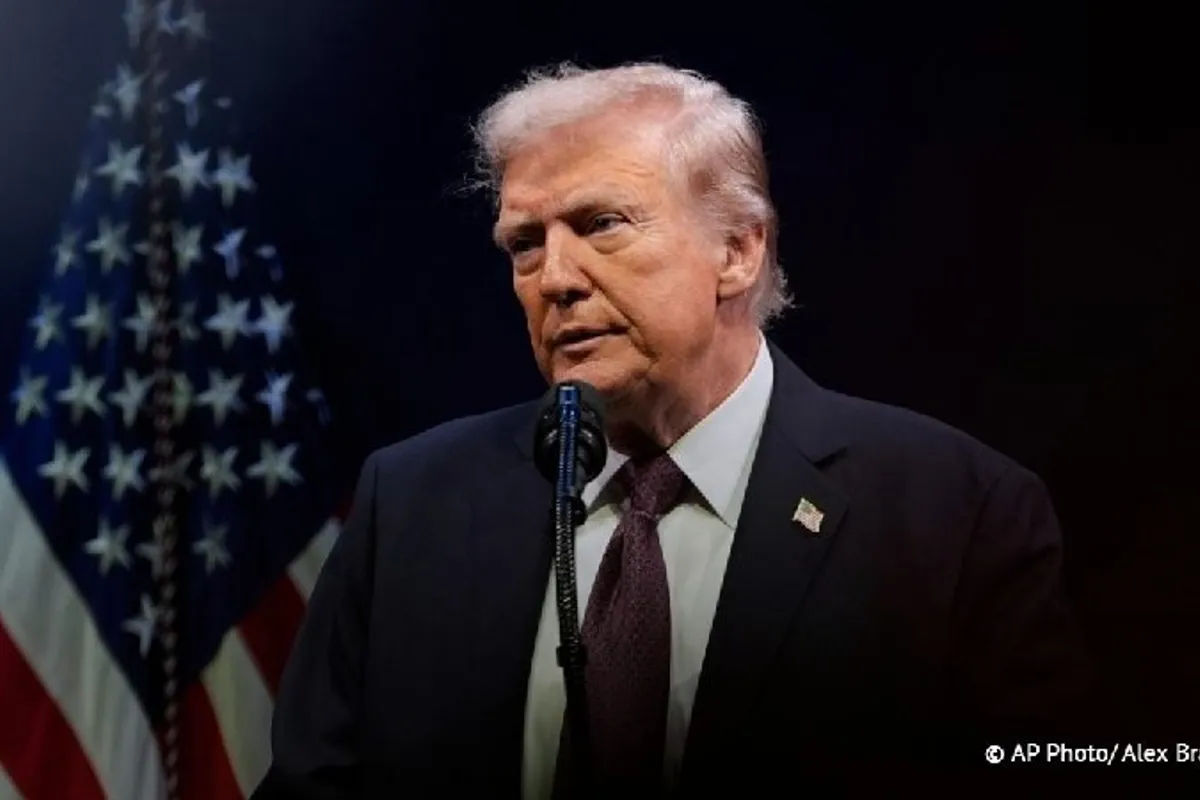
While Trump was at the White House speaking with Israeli Prime Minister Benjamin Netanyahu, who advocates for war with Iran, the IRGC launched multiple ballistic missiles at US bases across the Middle East. US Central Command (CENTCOM) posted on platform X that it was an "attempted surprise attack on US forces stationed in the Middle East" and that all missiles were intercepted. Five interceptions were recorded over Jordan, Al Jazeera reports citing the Jordanian news agency.
Iran's Revolutionary Guard announced that its air force targeted a US air base and command center in Jordan with several ballistic missiles. "As long as threats against the Islamic Republic of Iran continue and the illegal and vicious actions of US forces against our interests continue, resistance will continue," stated the IRGC communiqué carried by Iranian broadcaster IRIB.
The same day, according to the Tasnim agency, the IRGC "struck and stopped" three oil tankers in the Strait of Hormuz. The Guard claims the ships continued sailing along an unsafe and illegal route ignoring their warnings. This further escalated tensions in the strait, and the signal from Tehran became unequivocal.
Al Jazeera's Washington correspondent Alan Fisher assessed that Iran is sending a message to President Trump that it must be included in all discussions. Tehran-based journalist Resul Serdar described the attack as a preventive move, not a reaction, noting that the last 13 days of mutual bombing and this attack will certainly affect mediation efforts. Jason Campbell, a senior fellow at the Washington Institute for Near East Policy, told Al Jazeera that Tehran expresses skepticism about US pauses between strikes, suspecting that Washington is using them to prepare for a second phase of violence.
Former White House Chief of Staff Rahm Emanuel, in an interview with CNN, blamed Trump for the war with Iran, saying that he is the president who "bought it" and that it was a mistake then and now. He noted that Netanyahu lobbied four US presidents for war with Iran, but only Trump agreed, reports Middle East Eye.
On July 24, Trump ended the US bombing campaign after 13 days of continuous strikes and claimed that good talks with Iran were underway. He threatened, however, to resume attacks if negotiations stall, while Iran denies seeking continued dialogue with Washington. Meanwhile, Netanyahu at the White House insisted on the issue of Mount Pikaks, which Israeli sources claim Iran is building a new nuclear facility there.
After the US military confirmed the Iranian attack, US crude oil futures surged more than four percent to over $82 a barrel, while Brent exceeded $88. Earlier, prices had fallen as traders closely watched reports of renewed negotiations following the suspension of attacks. Reuters reports that on the same day, US and Saudi forces attacked positions of Iran-backed groups in Iraq, and protesters took to the streets in Washington against Netanyahu's visit.
Although Croatia is not directly involved, the new surge in oil prices on the global market could impact domestic fuel prices and further pressure European energy security.