Iran Threatens Strike on Gulf States
Tehran warns that any new US attack will trigger retaliation against key energy infrastructure across the region, as CENTCOM intensifies the blockade.
Tehran warns that any new US attack will trigger retaliation against key energy infrastructure across the region, as CENTCOM intensifies the blockade.
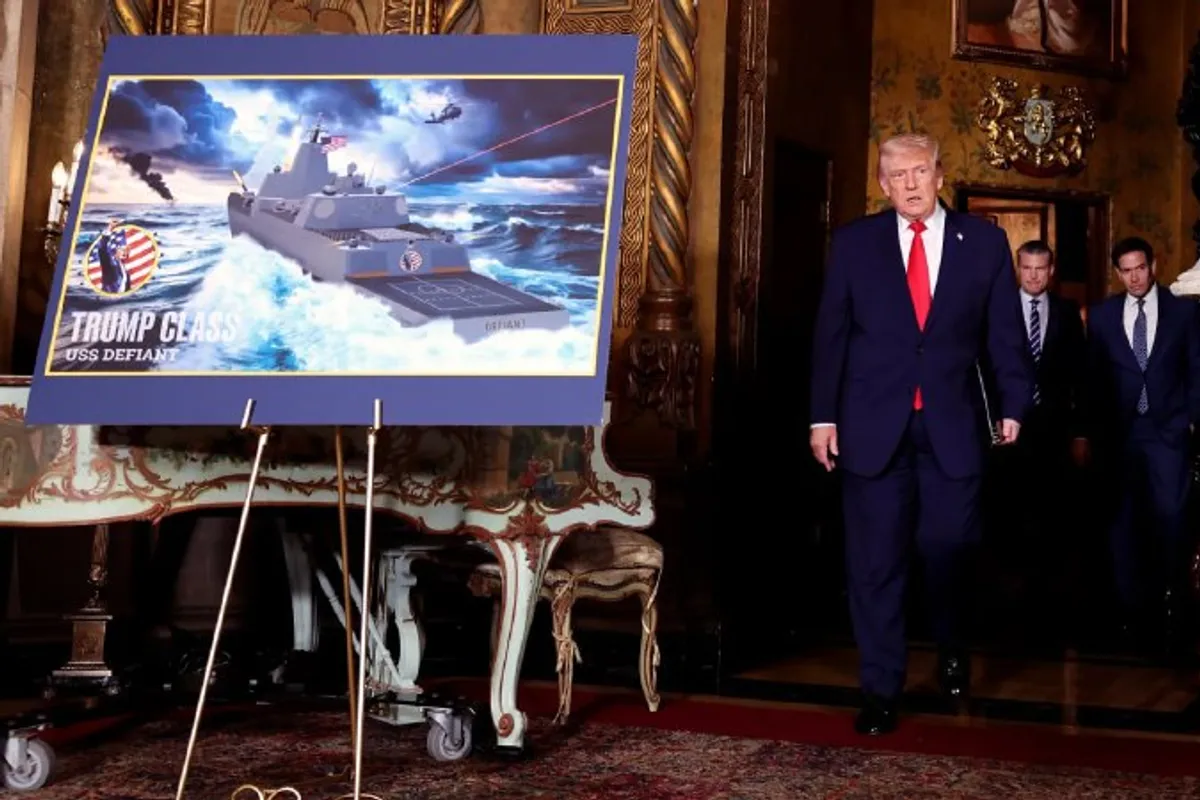
Iran has warned Gulf states that any new US attack on its territory will trigger retaliation against critical energy infrastructure across the region, according to multiple diplomatic sources. The warning came after President Donald Trump threatened to strike Iran's energy grid and infrastructure on July 28, 2026.
According to information from five sources, including two senior Iranian officials, two Gulf-based sources, and one senior regional diplomat, Iranian Foreign Minister Abbas Araqchi spoke with his Saudi, Turkish, and Qatari counterparts, as well as with Pakistan's army chief. All spoke on condition of anonymity due to the sensitivity of the matter.
Araqchi urged Washington's Gulf allies to use their influence on Trump to deter him from launching new attacks. The message was consistent in every conversation, a diplomat told the Straits Times: "We are ready to retaliate, but finding a diplomatic solution is the best way to avoid broader escalation and destruction across the region."
One Gulf source described Iran's warning as unequivocal. "If America targets Iranian infrastructure, they will retaliate with strikes on Gulf energy facilities and other regional targets," the source said. Another Gulf source added that the warning was intended for every Gulf state.
Saudi Crown Prince Mohammed bin Salman spoke with Trump, urging him to delay military action, return to negotiations, and ensure a ceasefire. "Saudi Arabia believes that further escalation will only bring more destruction," the first Gulf source said. "That is why it has called on Trump to give diplomacy a chance."
Saudi analyst Ali Shihabi, close to the royal court, said the kingdom believes that a combination of proportional military responses and sustained pressure on Iran in the Strait of Hormuz offers the strongest path to a practical diplomatic solution. Qatar, Oman, and Saudi Arabia have called on Washington to continue talks with Tehran.
One Iranian official made a clear allusion to the vulnerability of Gulf infrastructure, saying: "They still remember Saudi Aramco." This was a reference to the September 2019 drone and missile attacks on Saudi facilities at Abqaiq and Khurais, which temporarily knocked out more than half of Saudi crude oil production.
Another Iranian official stressed readiness for retaliation. "The enemy continues to threaten Iranian infrastructure. If Iran suffers damage, it will inflict far greater damage in return," the official said.
Amid the diplomatic offensive, the US Central Command (CENTCOM) announced on August 5, 2026, that its forces, while enforcing the blockade of Iran, had diverted 48 commercial vessels, disabled two, and boarded two others. This operation further escalates the situation in the region.
On August 2, 2026, Trump said he had agreed to call off an attack on Iran "provided a deal can be reached quickly." However, according to a senior regional diplomat, one of the main obstacles to an agreement is Washington's reluctance to allow Tehran to appear as a winner. "The United States wants something it can present as proof that it won the war," the diplomat said.
For its part, Iran insists on the closure of US military bases in the Gulf and demands that Arab states stop sharing intelligence with Washington, which Tehran believes has been used to facilitate attacks on it.