Kyiv in Alarming Announcement: Interceptor Deliveries Drop to a Third
Allies have delivered only a third of the air defense missiles to Ukraine this year compared to 2025, President Zelensky said, as Russia intensifies attacks on key cities.
Allies have delivered only a third of the air defense missiles to Ukraine this year compared to 2025, President Zelensky said, as Russia intensifies attacks on key cities.
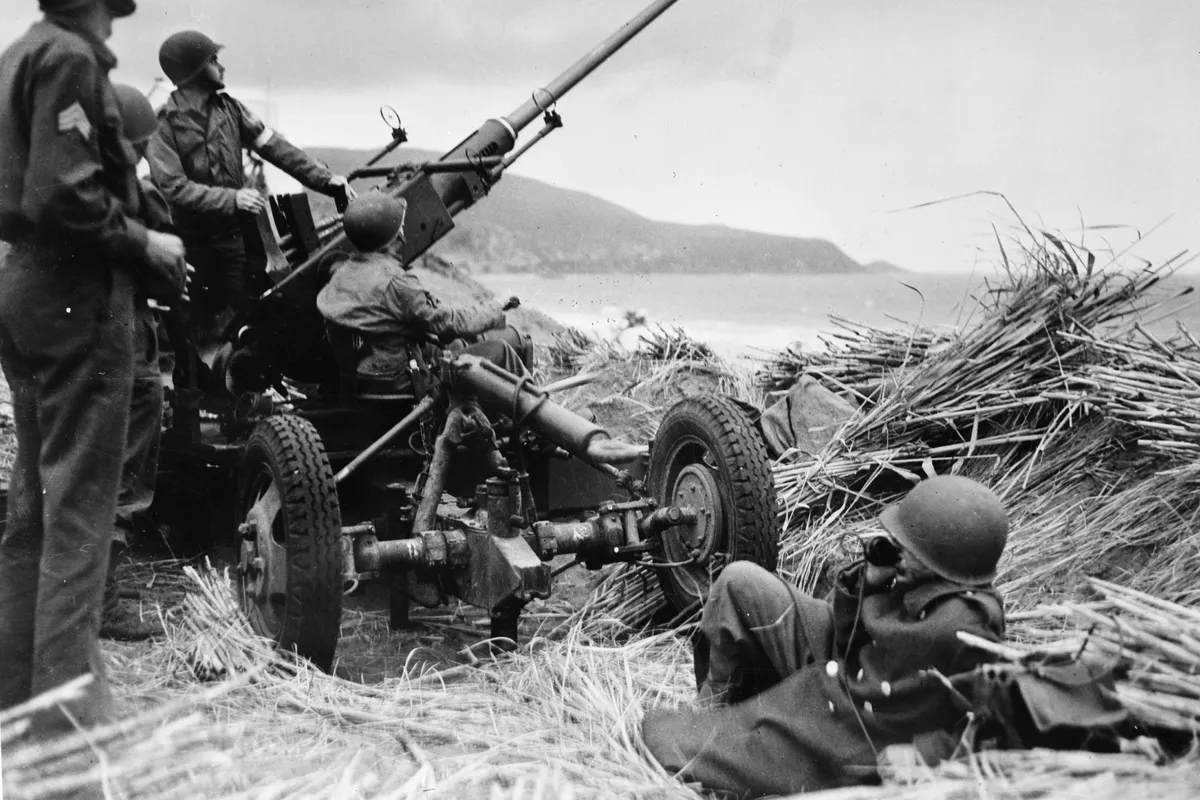
Ukraine is facing a drastic decline in deliveries of crucial air defense missiles. President Volodymyr Zelensky said on Wednesday that allies had delivered only a third of the interceptors in 2026 compared to the same period in 2025. "And this is not just a summer phenomenon-it applies to every period of the first half of 2026," Zelensky wrote on the Telegram app.
This alarming announcement comes as Russia intensifies missile strikes on Ukrainian cities. In July alone, Kyiv was targeted on average every three days, and the pressure continues into August.
The acute shortage of American Patriot interceptors, capable of shooting down Russian ballistic missiles, has become particularly evident in recent weeks. In the attack on Wednesday, August 5, 2026, Ukrainian air defense forces failed to intercept any of the 24 ballistic missiles launched, nor the four Zircon cruise missiles.
Serhii Beskrestnov, an advisor to the Ukrainian president on defense technology development, assessed that Russia has the capacity to launch 100 ballistic missiles per month, targeting logistics hubs, industrial facilities, and storage sites for food and construction materials. "The war of attrition has entered its next phase," Beskrestnov said via Telegram.
In addition to its own capabilities, Moscow is again turning to missiles from North Korea. According to Ukrainian military intelligence, Russian forces last week fired the first two North Korean missiles since August 2025. It is also reported that a North Korean missile unit has begun deploying in western Russia and could be equipped with 120 ballistic missiles and six launchers.
While global stocks of interceptors are limited and political turmoil affects the continuity of supply, some military analysts see striking Russian missile launchers as a possible counter-response. However, Ukraine's current capabilities do not allow for such long-range strikes. Kyiv is therefore pressuring allies to develop a pan-European anti-ballistic missile system and has also requested a license from the U.S. to produce Patriot missiles domestically.