The Column Didn't Start in Zagreb
Author Slaven Raguž on Crodex.net challenges narratives of 'Storm' as aggression and ethnic cleansing, citing statements and documents from Serbian officials confirming that the withdrawal was planned in Belgrade.
Author Slaven Raguž on Crodex.net challenges narratives of 'Storm' as aggression and ethnic cleansing, citing statements and documents from Serbian officials confirming that the withdrawal was planned in Belgrade.
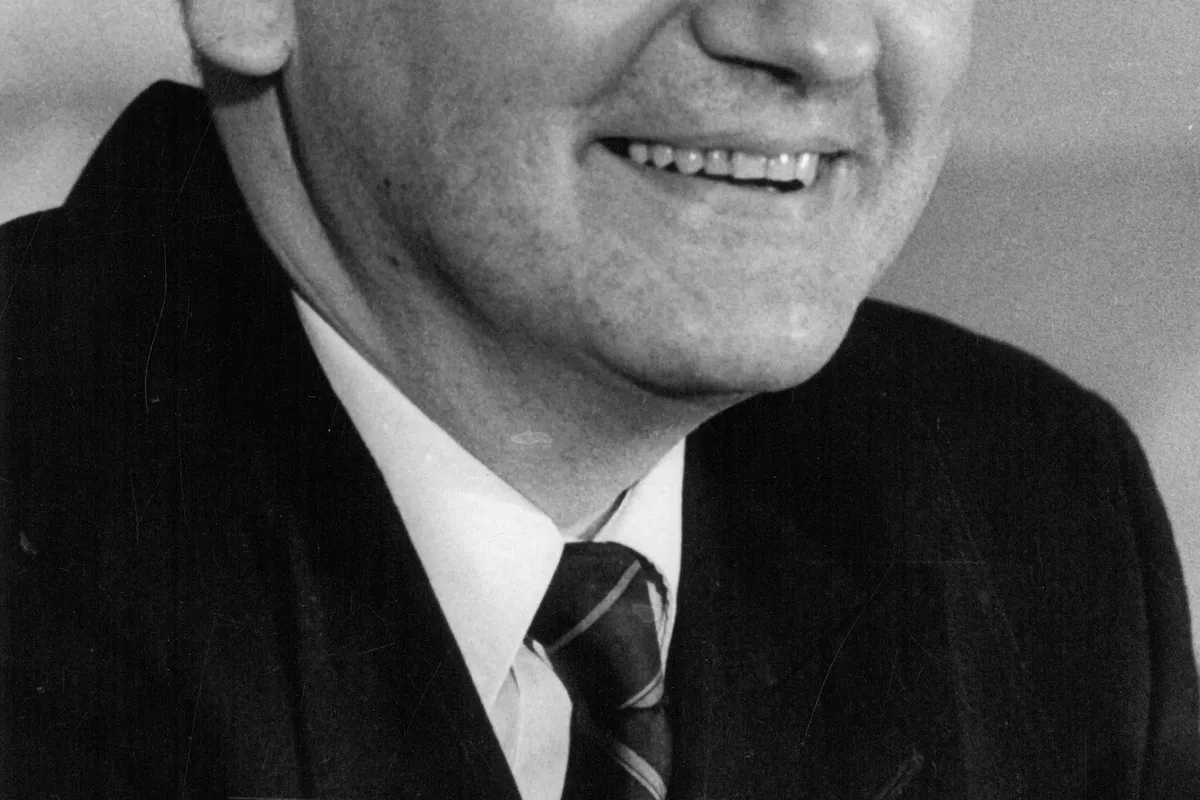
Three decades after the military-police operation "Storm," the narratives about it have not subsided. While on one side they are persistently repeated by Milorad Dodik, Aleksandar Vučić, and the Belgrade propaganda machine, the problem, as author Slaven Raguž writes in his column on the portal Crodex.net, arises when these constructs are adopted by certain media and public officials in Croatia. They then label the Croatian liberation operation as "aggression by the Croatian Army and the Croatian Defense Council," and the organized withdrawal as "the expulsion of 250,000 civilians."
Raguž points out that today, unlike during the time of Yugoslavia, there are documents, witnesses, orders, recordings, and statements from Serbian military and political officials themselves that testify to a different truth. "Yes, the departure of the population and the army was planned. But not in Zagreb, but within the structures of the rebel Serbs and Belgrade!" the author emphasizes.
As key evidence, he cites documents and statements by Momčilo Perišić, then Chief of the General Staff of the Yugoslav Army. They were quoted by Milislav Sekulić, a general of the army of the so-called SAO Krajina and author of the book with the telling title "Knin Fell in Belgrade." According to these sources, the real reasons behind the decision to withdraw were mass desertions, refusal to obey orders, and soldiers who took off their uniforms and changed into civilian clothes because they did not want to fight.
Particularly revealing is the statement by Slobodan Milošević, who, in an interview with the AP agency, responding to accusations of why he did not send the Army of Republika Srpska, said: "You will flee, and I will send children who have received your refugees to die in front of your homes."
The author of the text reminds that the Hague prosecution failed to prove the existence of a joint criminal enterprise, i.e., a Croatian plan for ethnic cleansing. "There was no 'pogrom.' What happened was the collapse of a para-state created by rebellion, the persecution of non-Serb population, and the occupation of Croatian territory," writes Raguž.
He concludes that the Serbian army was militarily defeated, and Knin was not "cleansed," but liberated. "Storm was a victory. Croatia was a victim of aggression. And the defeat of the Greater Serbian policy will not become a victory just because the lie is repeated 250,000 times," states the text published on August 4, 2026.