Ljubljana marks eighth day above 35 degrees, breaking 2013 record
Extreme heatwave in Slovenia brings tropical nights to mountain elevations, while storms in the west offer brief relief.
Extreme heatwave in Slovenia brings tropical nights to mountain elevations, while storms in the west offer brief relief.
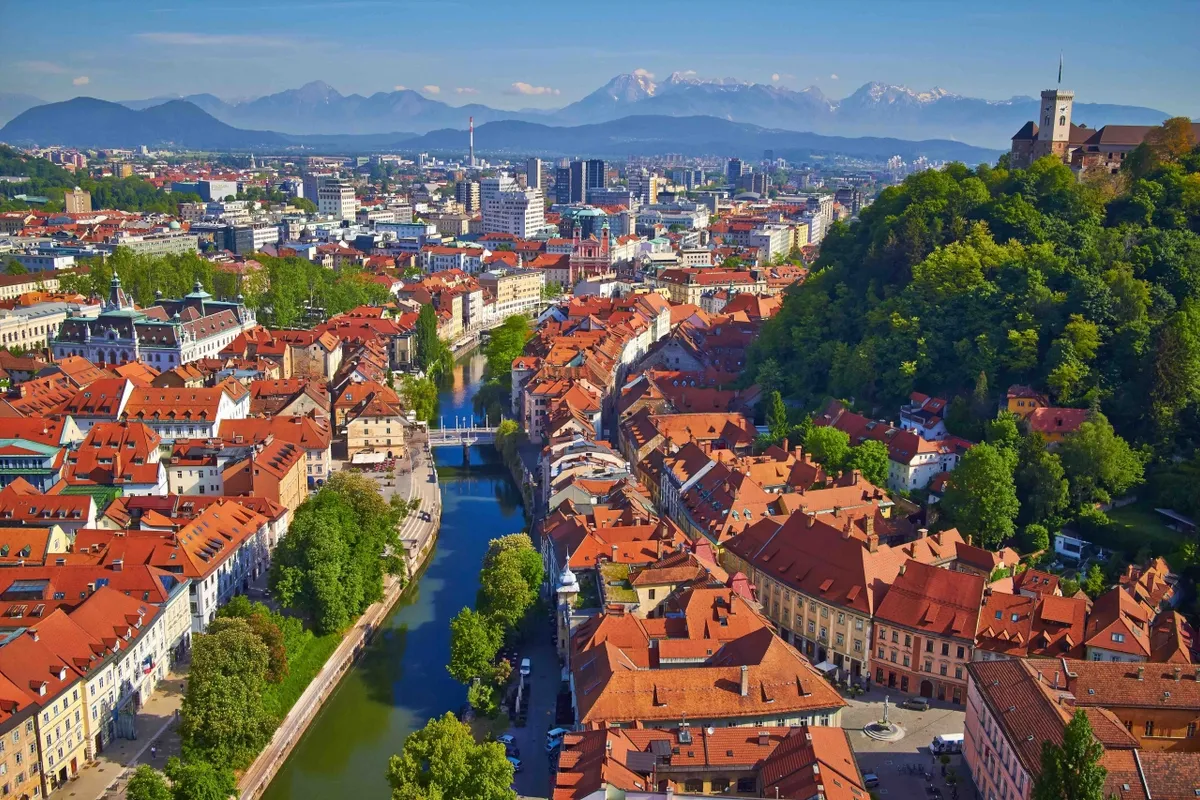
On Wednesday, August 5, 2026, Ljubljana recorded its eighth consecutive day with temperatures exceeding 35 degrees Celsius, breaking the previous record of seven such days set in August 2013. The extreme heatwave gripping Slovenia shows no signs of easing, accompanied by unusual weather phenomena.
In the west of the country, afternoon heat storms brought localized cooling. According to the Slovenian Environment Agency (Arso), a strong storm developed between Rakek and Logatec, bringing heavy downpours. The Sviščaki measuring station recorded 23 millimeters of rain in just one hour. Arso also forecast the possibility of further heat storms in the Alpine region during the afternoon.
After the storms passed, temperatures dropped noticeably. In Logatec, it fell to 22 degrees, in Idrija to 23, in Gornji Grad to 25, and in Postojna to 27 degrees Celsius. However, the respite from the heat was short-lived, as the heatwave continues into Thursday, with maximum daily temperatures expected between 33 and 38 degrees across Slovenia.
Exceptionally high nighttime temperatures have led to tropical nights at unusually high elevations. A tropical night is defined as one where the temperature does not drop below 20 degrees Celsius between 10 p.m. of the previous day and 10 p.m. of the following day. The highest station to record a tropical night this year is Rogla, at 1,495 meters above sea level. On the night from Monday to Tuesday, the temperature there did not fall below 21 degrees.
Arso noted that tropical nights at Rogla were also recorded earlier, on August 4 and 8, 2013, but added: "What's unusual this year is that we will likely have two such consecutive nights."
In addition to Rogla, tropical nights were also recorded at other high-altitude stations: nine each at Slavnik (1,020 m) and Davča (1,001 m), eleven at Šebreljski vrh (1,066 m), five at Pasja ravan (1,019 m), four at Kum (1,211 m) and Blegoš (1,188 m), two at Nanos (1,241 m), and one each at Pavličevo sedlo (1,337 m) and Sveti Tri Kralji (1,230 m).
Arso forecasts a change in weather on Friday, when fresher air will reach central Europe. Cold Atlantic air has already reached western Europe and is slowly moving toward the Alps. Cloud cover will increase, and local showers and thunderstorms are expected in the northern half of Slovenia, bringing relief. From Saturday, it will be warmer again, but temperatures should not exceed 35 degrees.
Due to the extreme heat and drought, a high fire risk is in effect across most of the country, with a very high risk in the Primorska region.
The animal protection society Reks and Mila has appealed to citizens to help wild animals during the heatwave by placing shallow dishes of fresh water outdoors. The dishes should be kept in the shade and cleaned daily, and stones or twigs can provide animals with a safe way out of the dish. The society warns against adding sugar, milk, or other additives to the water. "If you notice a severely exhausted or injured wild animal, contact the competent veterinary service," they urged. The Ljubljana Zoo is also taking additional measures to ensure its residents stay cool and hydrated.