A Million Euros for Rural Living
The government has adopted a support program for young families in rural areas, with special benefits for young farmers.
The government has adopted a support program for young families in rural areas, with special benefits for young farmers.
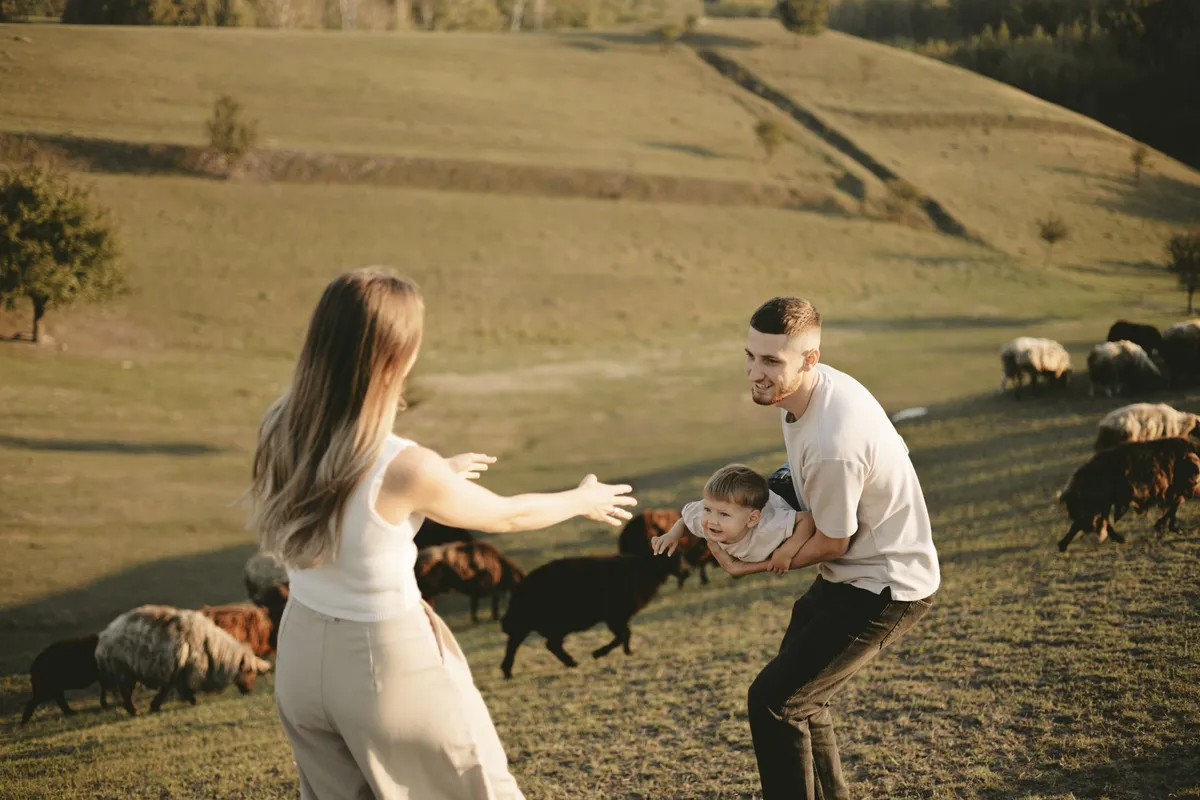
Croatia's villages could soon see an influx of new residents. The Government of the Republic of Croatia has adopted a new program, officially named "Support Program for Improving Housing Conditions for Young Families in Rural Areas," with one million euros allocated for its implementation in 2026. This initiative is designed as a tool for demographic recovery and is intended for young families, including single-parent families, who wish to build a life outside urban centers.
The allocated funds can be used for the purchase, construction, or renovation of a residential property. The main implementation role falls to local self-government units-municipalities and towns that, according to the 2021 census, have fewer than six thousand inhabitants. They must have their own housing program already underway, and the state then steps in as a partner, co-financing the support that the local community has already approved.
The effectiveness of this approach is confirmed by results from previous years. The initiative launched in 2024 has already helped 714 young families across 107 local communities, demonstrating significant interest in this form of support, as reported by Poslovni dnevnik.
The program is available to all young families, but the most generous conditions are reserved for young farmers, recognized as key players in rural development. If the applicant is no older than 40 in the year of application and has been registered in the Register of Farmers or the Register of Family Farms for at least one year, the state will cover the full cost-100 percent-of the support previously granted by the municipality or town.
This aims to send an unequivocal message that staying on the land and engaging in agriculture are strategically important. For all other applicants who do not belong to the young farmers group, the amount of state aid will be proportionally reduced, depending on the total number of applications received and available budget funds. This financial injection for rural housing is part of a broader set of measures for the agricultural sector, such as the recently announced package worth 47 million euros to strengthen the food industry.
This program does not operate in isolation but builds on a series of demographic and housing policies. It aligns with other projects, such as the "I Choose Croatia" scheme, which offers returnees from the European Union financial incentives of up to 26,500 euros to start a business in their homeland, with additional bonuses for those who choose rural regions like Slavonia, Lika, or Dalmatian Zagora.
In parallel, the recently passed umbrella Affordable Housing Act, an integral part of the National Housing Policy until 2030, also emphasizes the importance of family homes and solving housing issues in settlements outside cities. In this way, a comprehensive system is being built that simultaneously addresses the housing crisis in urban centers and encourages rural living.
With these steps, Croatia is following a global trend in which states and local governments are increasingly competing to attract new populations. While metropolises face overcrowding and high living costs, smaller towns across Europe are offering financial incentives for digital nomads, entrepreneurs, and young families.
Italy is known for programs that offer up to 30,000 euros for relocating to villages with fewer than two thousand inhabitants, while Switzerland's Albinen provides generous grants to families who commit to staying long-term. Similar initiatives have been launched in rural areas of Spain, Greece, and Ireland, where the renovation of abandoned houses is subsidized.
In this context, Croatia's rural housing program, along with the introduction of digital nomad visas, positions the country as an attractive destination for those seeking a quieter and higher-quality life outside major urban centers.