Oil Spill Off Oman Expands to 150 km²
Pollution from a grounded Russian tanker has dramatically spread within a week, threatening a protected marine area and rare species in the Arabian Sea.
Pollution from a grounded Russian tanker has dramatically spread within a week, threatening a protected marine area and rare species in the Arabian Sea.
The oil spill leaking from a grounded tanker off the coast of Oman has undergone a dramatic expansion, according to the latest satellite imagery. The area of contamination is now estimated at around 150 square kilometers, a manifold increase from the 20 square kilometers the spill covered just a week ago.
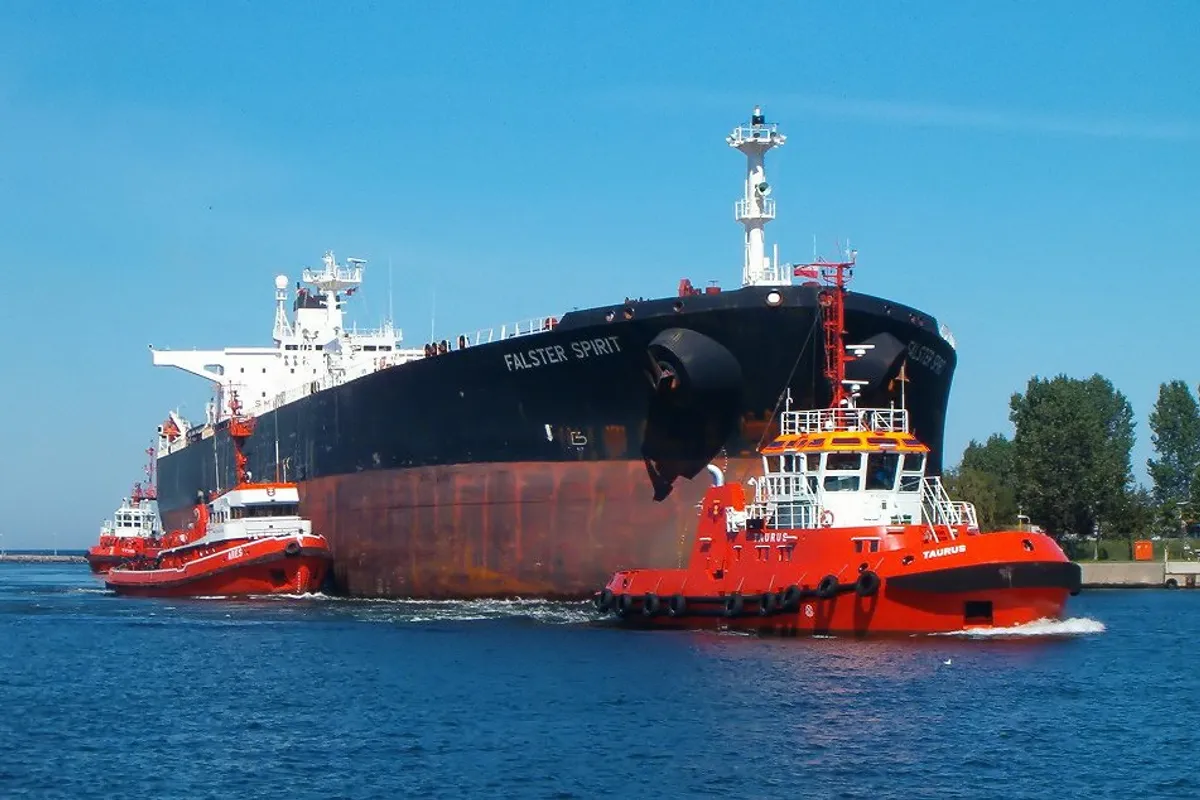
The tanker, referred to in sources as both Karolin Bezengi and Caroline Bezengi, has been aground for weeks near the island of Kiblia, also known as Qibliyah, in Oman's Dhofar governorate. The 274-meter-long vessel was carrying more than 800,000 barrels of crude oil and is under sanctions by the United Kingdom, the European Union, Canada, and Switzerland due to its links to the transport of Russian energy resources.
"This is a dramatic increase," said Nina Noelle from Greenpeace Germany, adding that it is evident a large quantity of crude oil is leaking from the vessel. According to environmental expert Wim Zwijnenburg, the oil slick is now approximately 90 kilometers long, nearly double what it was a week ago.
"This dramatic expansion demonstrates the serious and ongoing environmental threat posed by the grounded tanker and the dangers associated with the practices of Russia's shadow fleet," Greenpeace Germany stated. Thick black oil deposits have already reached the shores of Kiblia Island, while a thinner layer is spreading northeast from the ship toward the Arabian Sea.
The affected area is part of a protected marine reserve in the Arabian Sea, an important habitat for endangered species such as the Arabian humpback whale and rare seabirds. Experts warn that the thin oil layer may partially evaporate, depending on the type of crude oil and weather conditions, but thick deposits have already contaminated parts of the coastline.
Monsoon winds and waves could further complicate cleanup efforts and accelerate the spread of pollution, experts note.
The tanker ran aground in June 2026, after the crew reportedly reported an explosion. The Associated Press could not independently confirm these claims. Before its final voyage, the vessel was recorded at the Russian Black Sea port of Novorossiysk, and in early June it stopped transmitting its tracking signal while sailing near Yemen.
Oman's Ministry of Transport ordered the owners to remove the tanker and its cargo by July 23, 2026. However, it is unknown whether the owners have responded to the request or whether any steps have been taken to refloat the vessel. Omani authorities and the company managing the tanker have not commented in detail on the situation.