From Two Pigeons to 500 Animals: The Story of Mirko Milec from Rušćica
At the Center for the Care of Protected Animals near Slavonski Brod, every day brings a new story of love, recovery, and return to the wild.
At the Center for the Care of Protected Animals near Slavonski Brod, every day brings a new story of love, recovery, and return to the wild.

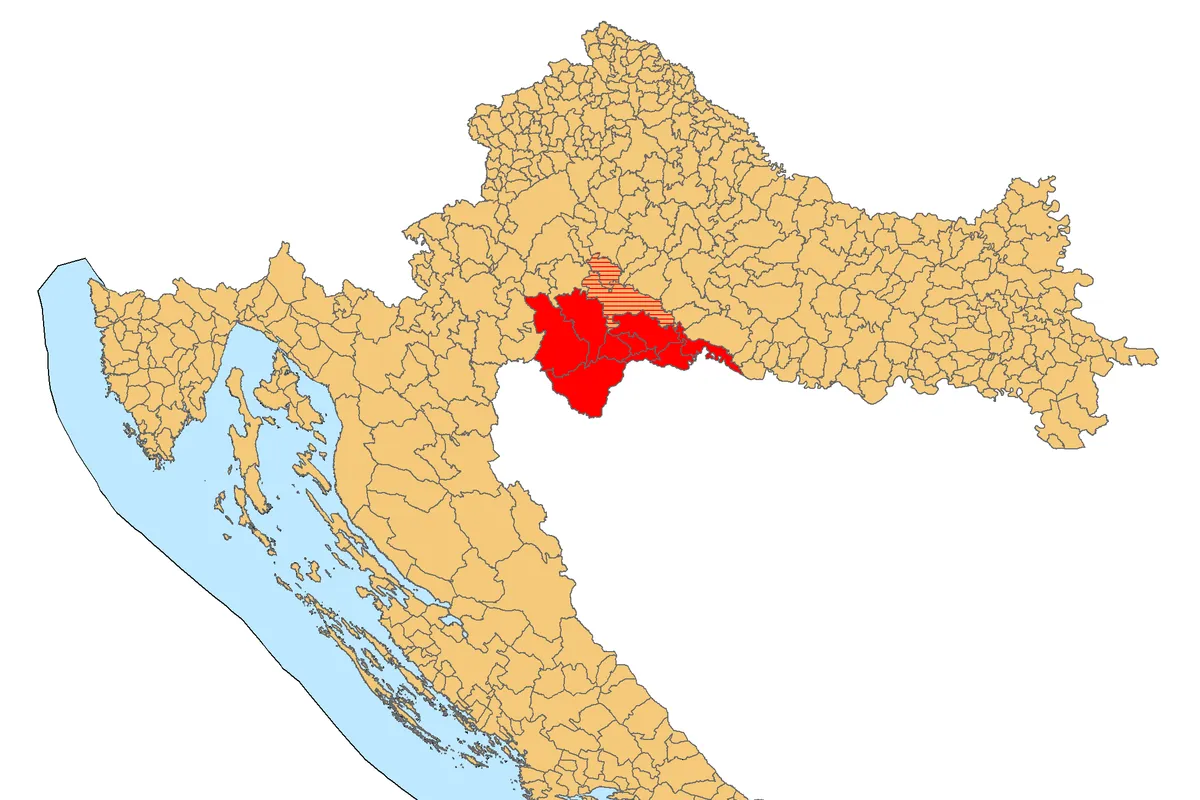
While many admire the natural beauty of Istria, in the heart of Slavonia, in the small town of Rušćica near Slavonski Brod, there is a place that wins hearts in a completely different way. It is the Center for the Care of Protected Animals, founded and run by Mirko Milec. His incredible story began modestly, and today he cares for more than 500 animals.
Mirko Milec revealed that it all began with an unusual gift. "It started with a pair of pigeons that I got from my uncle. Then, one animal after another, one enclosure after another," Milec recalled for HRT Magazine. That small gesture grew into a life mission. Today, his center in Rušćica is home to more than 500 different animals, each with its own story.
The center serves not only as a sanctuary but also as a place of recovery. Mirko daily cares for injured animals found in the wild, and on the very day the HRT team visited the center, an injured stork was brought in. However, there are also animals that ended up there due to human negligence or law violations.
"In addition to the injured, there are also animals here that are legally not allowed to be kept. There are snakes that were confiscated. There are illegally kept animals. You saw the wolves. Those are wolves that were contentious. Down in Split, a man was keeping them. Now, due to what conditions, why, and how, they ended up in our care. The ministry seized them," Milec explained, emphasizing that cooperation with institutions is key.
In close cooperation with the Public Institution for Nature Protection Natura Slavonica and the Ministry of Environmental Protection and Green Transition, every animal that has a chance is returned to the wild after rehabilitation. That, as Milec points out, is his golden rule. The center is also open to visitors, who can daily see emus, llamas, swans, kangaroos, lemurs, and many other animals in person. One of them, the charming Kiki, is particularly notable for greeting visitors he takes a liking to.
Over the years, Mirko Milec has learned to read the behavior of his charges. "You simply have to be a tour guide yourself. And know how to explain all of it. So, years do their part," he said. His experience allows him to enter each animal's enclosure and play with it, and he has never been seriously injured because, as he says, the nature of each animal must be respected.
A particularly interesting anecdote involves llamas and spitting. "Everyone is afraid; llamas spit. Well, llamas don't spit. A llama warns you five times before it will spit. When you see it raise its head and lower its ears, and when you see the ball coming up through its throat from the stomach. That's enough, no more," Milec vividly described, revealing how important it is to understand the signals animals send us.