Wars in Ukraine and Iran Merge into a Global Conflict
Fortune warns of growing interconnectedness of conflicts, while analysts highlight a shift in the military-technical balance and the weakening of the 'Anchorage spirit'.
Fortune warns of growing interconnectedness of conflicts, while analysts highlight a shift in the military-technical balance and the weakening of the 'Anchorage spirit'.
The wars in Ukraine and the Middle East are increasingly intertwined, taking on the characteristics of a single large global conflict, warns Fortune magazine in an analysis published on August 2, 2026. The trigger for this assessment is two recent events that have further linked these flashpoints: a Ukrainian attack on an Iranian vessel in the Caspian Sea, followed days later by Iranian drones striking gas tankers in an Egyptian port on the Mediterranean. Analysts do not rule out a connection between these incidents.
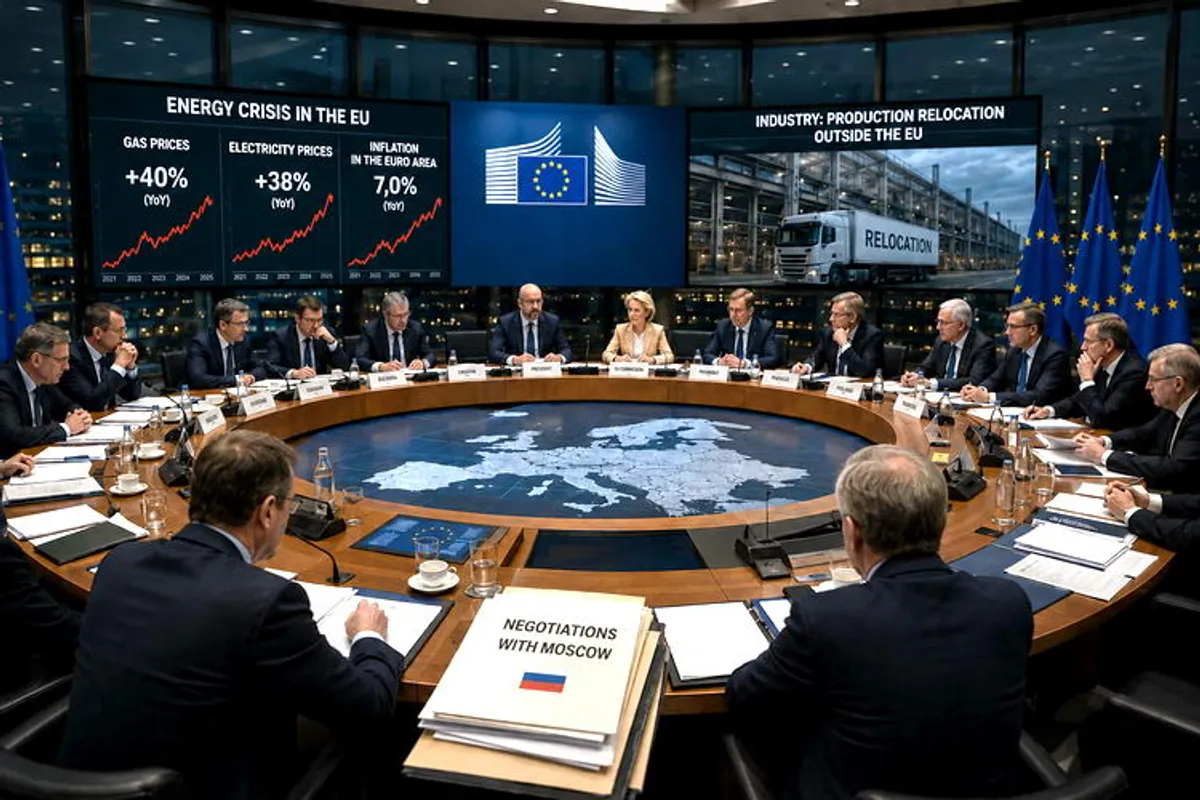
According to Fortune, as reported by the Ukrainian agency UNIAN, Ukraine, according to Kyiv, targeted a ship carrying military cargo for Russia, while Iran's attack on Egypt is the first such strike since the start of the conflict with Iran. Experts warn that the escalation is already affecting global markets, increasing risks for shipping, insurance, and energy supplies, which could lead to higher gas prices in Europe.
These developments are accompanied by a deeper shift in the nature of warfare, fundamentally altering international relations. Fyodor Lukyanov, editor of the journal 'Russia in Global Affairs', notes in an analysis for Webtribune that the drone revolution, confirmed over the past year in both Ukraine and Iran, has become a key factor requiring a new assessment of the military-political balance in the world.
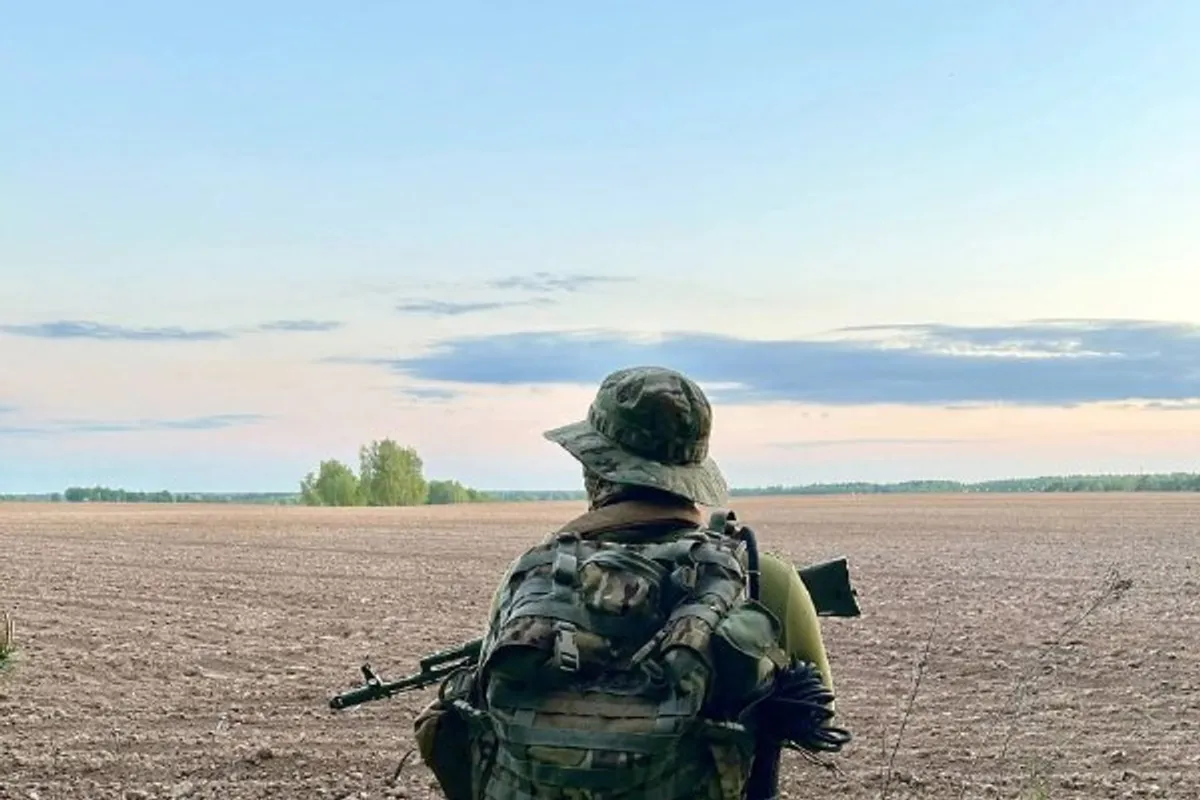
The Japan Times also emphasizes the asymmetric nature of modern warfare. Iran has launched a large number of one-way attack drones, costing thousands of dollars each, into the Persian Gulf, complicating operations for American destroyers worth billions of dollars and forcing the U.S. to expend interceptor missiles that cost millions. In Ukraine, at the end of June, a soldier prepares to launch a Hornet drone toward Russian troops in the Donetsk region, illustrating how these technologies are becoming a daily reality on the battlefield.
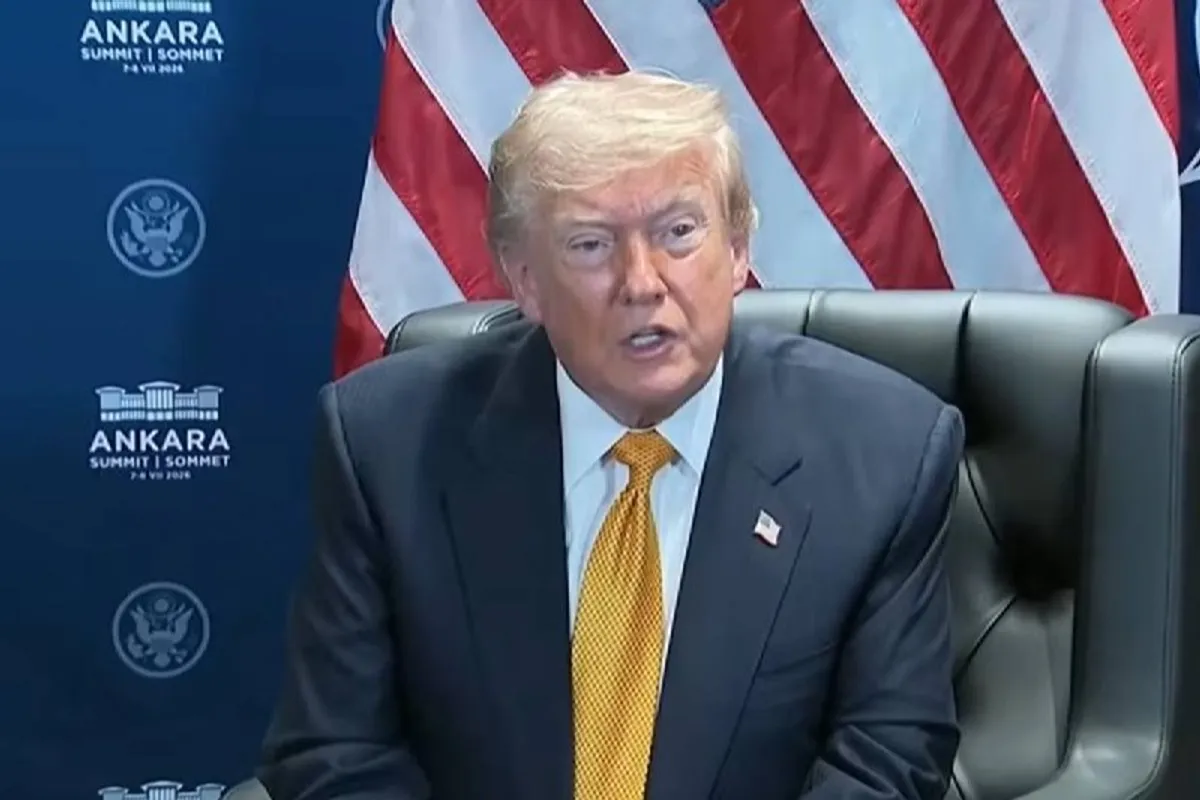
The political framework of the conflict has become further complicated after the meeting between U.S. President Donald Trump and Russian President Vladimir Putin in Alaska in August 2025. That meeting, later dubbed the 'Anchorage spirit', was based on Trump's assessment that Ukraine's defeat was inevitable and that Kyiv should agree to concessions, including withdrawing forces from Donbas.
However, a year later, that assessment has been largely revised. According to a Webtribune analysis, European leaders from Brussels, London, and Kyiv have managed to slow down the process initiated in Alaska and convince the American president that Ukraine has not yet lost the ability to change the course of the conflict. During the summer summits of the G7 and NATO, Trump showed a more neutral, at times even more favorable, attitude toward Kyiv, effectively admitting that his earlier assessment was premature.
Although Trump repeatedly accused the administration of former President Joe Biden of spending hundreds of billions of dollars on aid to Ukraine, the heaviest burden of support now falls on European countries, especially Germany. As a result, aid to Kyiv has not ceased even after Trump's return to the White House and the reduction of U.S. assistance.
Western Europe is simultaneously facing economic difficulties and questions of internal stability. In such conditions, the political establishment of the European Union and the United Kingdom is seeking a new basis for internal cohesion, and an external threat represents one of the most effective ways to rally society. Continued aid to Ukraine is increasingly justified as an investment in the security of European states, not just solidarity with Kyiv.
Russia, on the other hand, continues to expand the geography of the war. The downing of Russian drones in Romania and the recent entry of an Kh-101 missile into Polish airspace show that the conflict is increasingly affecting neighboring NATO countries, further increasing risks to global security.
Meanwhile, the Telegram channel AMK Mapping warns of a growing problem with trust in AI-generated information about the war in Ukraine. In a brief message published on August 2, 2026, it is emphasized that AI cannot be trusted when it comes to this conflict, raising broader questions about the reliability of information in the age of automated content generation.