Miroslav Cindrić, known by his wartime nickname Cindra, is now 65 and reluctant to talk about his war days. But when he does speak, his words paint a picture of incredible courage and sacrifice by young men who, as he puts it, became one with the wild nature of Velebit while waiting for the crucial battle for Croatia. From 1990, when he took command of the Special Police in Perušić, until his retirement in 2007 with the rank of general, Cindra was on the front lines of defending the homeland.
As commander of the Special Police Unit "Tigers" from Gospić, a unit that became legendary, he fought on every front. "We went through all Croatian battlefields, from Voćin, Slavonia, and Lika to the south of Croatia. We went wherever we were sent," Cindrić recalled for 24sata. His unit was always among the first, and he emphasizes that he was surrounded by exceptional people. "It's easy to achieve things with people who are willing, who give their hearts, and my boys were exactly like that," he stressed.
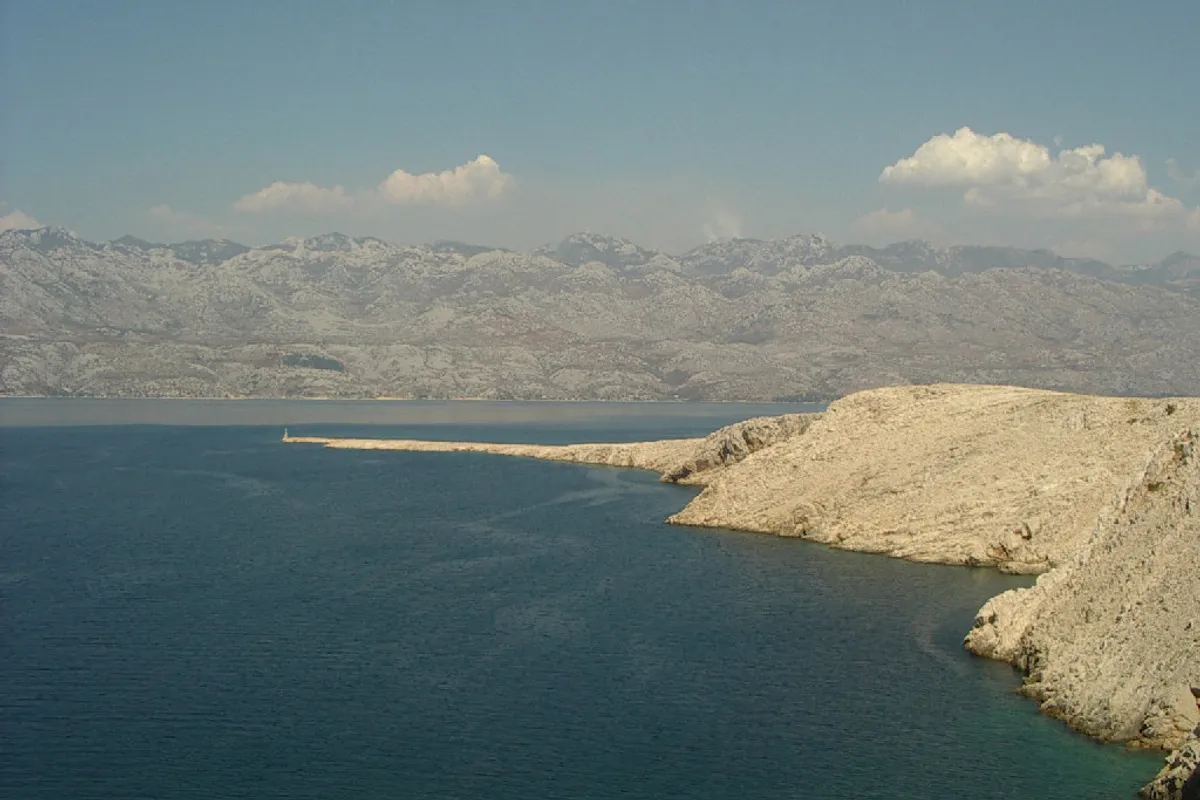
However, the central place in his memories is occupied by Velebit, where the special forces trained for years for Operation Storm. "Before Storm, we were on Velebit constantly for a whole year. Dušice, Marasovac, Glavinovac... For a year, even two, we prepared for the final operation, Storm," says Cindra. The conditions were harsh and nature unpredictable. From freezing winters with temperatures well below zero to hellish summers, like the one in August 1994 when temperatures reached 39 degrees.
Snake Kebabs and a Fight for Life
It was in these extreme conditions that legends of the special forces' resourcefulness were born. One of the most incredible stories is tied to their diet. Cindrić confirms that they hunted and ate vipers on Velebit. "I still have those skins today that remind me of those days. We hunted them, skinned them, cut off their heads and four finger-widths of the body where the venom extends, and made kebabs from the rest," he recounted. He adds that snake meat was excellent, "better than chicken," and he still keeps the dried skins in envelopes as a lasting memento of that time. "Not everyone could do it, but most did. For us, it was like going to the best restaurant and ordering kebabs," the former commander joked.
Besides hunger, other dangers loomed. Cindrić recalls a dramatic situation with special forces member Ante Podnar, who, after swimming on Velebit, lay in the sun for just 15 minutes and suffered severe first-degree burns. A helicopter couldn't land, and transport was impossible. In desperation, they turned to a doctor who gave them an unusual piece of advice. "He told us to take American black boot polish and cover him with it from head to toe. Then, to take all the towels we had, soak them, and place them on his body," Cindra recounts. They repeated the process with wet towels three times and ultimately managed to save their comrade.
Three Days to Victory
When Storm finally began, Cindra's unit was at Dušice, on Sveto Brdo. Their axis of advance led from Sveto Brdo toward Sveti Rok, Luka, and Lovinac, with the key task of cutting the Medak-Gračac communication line. "We accomplished that on the second day and entered Lovinac," he said. On the third day of the operation, his men cleared the road from Sveti Rok through Raduč and Medak all the way to Gospić, allowing free passage toward Gračac. The entire route from Velebit to Donji Lapac, long and meticulously prepared, was executed flawlessly in just three days.
Yet Cindra doesn't want all the credit to go solely to his unit. "Don't you dare write that it was just us, the special forces from Gospić, who did it. It was done by special forces from all over Croatia," he emphasized. His unit went through the war with four wounded and no fatalities, a fact that fills him with pride and deep emotion. He himself was wounded in the arm when the enemy hit a captured tank, but he ignored the injury until the wound became seriously infected and threatened the amputation of part of his arm.
They Came Down from Velebit
Cindra still carries the heavy burden of the war years, living near Velebit, close to a memorial. "Ugh, you've reminded me of the months and years that left an indelible mark. We had to endure Velebit winters, temperatures that dropped well below zero," he says with a tremor in his voice. His comrades were extremely young back then; none was older than 24, and he, at 30, was the oldest. "All the special forces clearly said: 'We have to do this, I don't care about my life, and when we're done, we'll tally the accounts,'" he recalls their determination.
How deeply Velebit is etched into their identity is vividly illustrated by an anecdote with Minister Medved, who once joked to him: "Oh, my Cindra, you're still on Velebit, you haven't come down yet." Last year in Knin, in front of Prime Minister Plenković, Cindra replied: "Gentlemen, just so you know, the special forces have finally come down from Velebit and are now walking through their free Croatia."