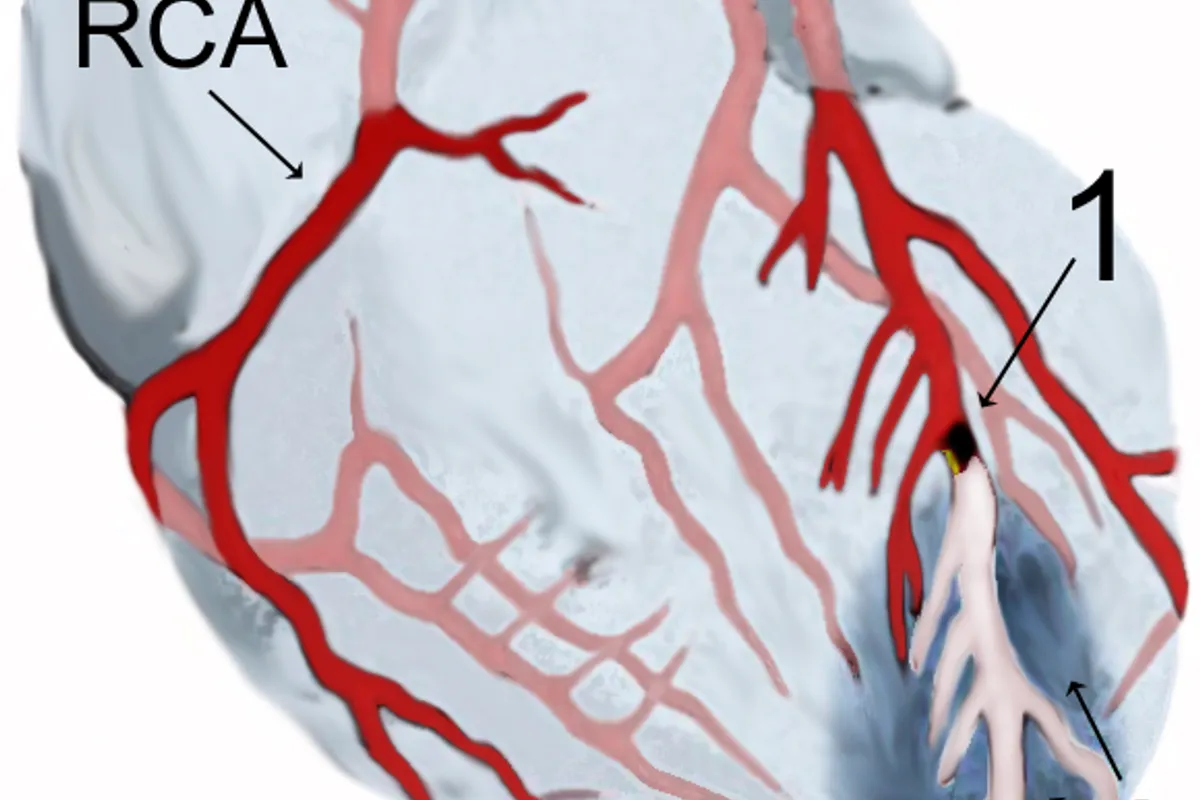
The Department of Intensive Cardiac Care and Heart Failure at Split's University Hospital Center has been under immense pressure in recent weeks. The number of patients with severe health issues, such as heart attacks and pulmonary embolisms, has risen so sharply that free beds occasionally run out, and doctors warn the situation is worse than last summer. Many locals and tourists have ignored medical warnings, convinced nothing will happen to them, only to be rushed to the hospital by emergency services, sometimes unconscious.
Assoc. Prof. Duška Glavaš, MD, PhD, an internist-cardiologist and head of the department, described the extremely difficult working conditions to Slobodna Dalmacija. "There's so much work, we're exhausted, the situation is worse than last year, and we link it to the current weather extremes," she said. "We're seeing an increased influx of patients-our own, foreigners, and many tourists. Some days we have a huge number of patients diagnosed with heart attacks, pulmonary embolisms, and heart failure."
Every Third Patient Is a Foreigner, Many Resuscitated on Site
Particularly alarming is the fact that 20 to 30 percent of newly admitted patients are resuscitated on site before reaching the hospital. "People suddenly collapse," Glavaš explained. She also noted that at least 30 percent of patients in the intensive care unit are foreign nationals, many from northern, colder countries. "Many of them go from 20 degrees to 40 suddenly, and with their summer vacation, they also change their habits, sleep patterns, activities, and diet," she added.
Every Bed Is Carefully Managed
Due to the increased patient influx, medical staff are forced to find solutions for accommodation daily. "In recent weeks, we've had to do a lot of maneuvering with beds; with such an increased intake, we simply don't have enough free ones at times," Glavaš said. She noted that colleagues from other intensive care and internal medicine departments help by temporarily housing patients until they can be transferred to appropriate units.
Doctors Have Become Weather Forecasters
Interestingly, the department's staff have started noticing a pattern linked to weather changes. "We've started acting like forecasters; when we see a surge in patients on certain days, we immediately know a major weather change is coming," Glavaš recounted. "A day or two before a cyclone or bora wind, when pressure and temperature changes are expected, our department becomes quite busy. The body reacts to atmospheric changes, even when in air-conditioned environments. We're part of the atmosphere; everything happening outside has repercussions on us."
Appeal to Citizens and Tourists: "Don't Play Games"
The department head issued a strong appeal for everyone to take extreme heat seriously. "People tend to overdo it with alcohol, swimming, running, sunbathing, and going out. These are not weather conditions for such behavior," she warned. "We want to send the message again: people, take care of yourselves; these are extremely difficult and dangerous times, don't play games."
Glavaš also shared concrete health tips: avoid the strongest sun and seek shade or air conditioning. Chronic patients must not forget their prescribed therapy. Drink plenty of water, avoid heavy, fatty, and spicy foods, don't overdo alcohol, and avoid strenuous physical activity during the hottest part of the day, especially outdoors. Don't jump into the sea without gradual acclimatization, and tourists shouldn't "go wild" on vacation, which, according to her, is often the case.