Heatwave Dims the Lights in Budapest and Bucharest
Romania and Hungary introduce electricity-saving measures, turning off decorative lighting on historic landmarks and preparing for industrial restrictions.
Romania and Hungary introduce electricity-saving measures, turning off decorative lighting on historic landmarks and preparing for industrial restrictions.
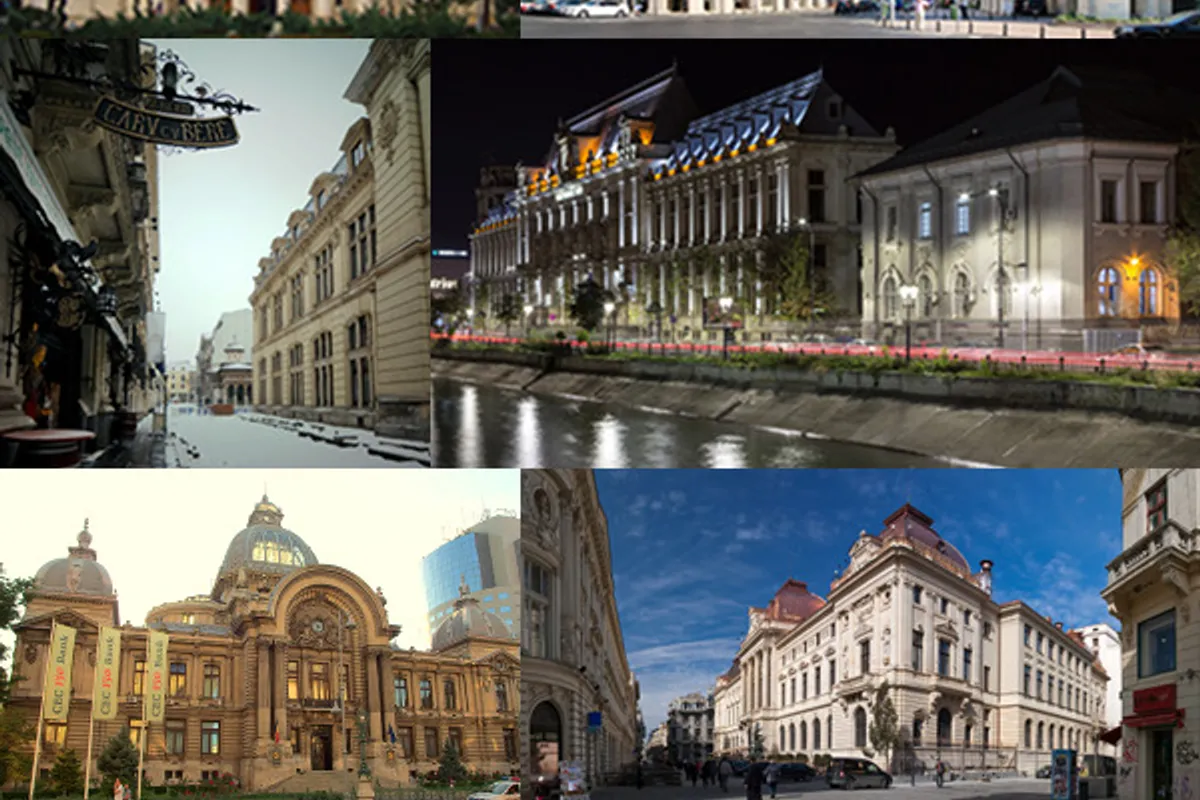
An unprecedented heatwave sweeping through central and eastern Europe has forced Romania and Hungary to implement emergency electricity-saving measures. The capitals of both countries, Bucharest and Budapest, switched off decorative lighting on their most famous landmarks on Wednesday evening as temperatures reach up to 42 degrees Celsius, according to Reuters.
Romania's capital reduced street lighting by a third and completely turned off nighttime illumination on landmarks and museums. Meanwhile, Hungarian authorities decided to turn off lights on the parliament building, most of Buda Castle, and the iconic Chain Bridge at night, as reported by the Associated Press.
Romanian Prime Minister Ilie Bolojan stated on Thursday that the government will preemptively authorize the electricity transmission system operator Transelectrica to gradually limit electricity supply to industrial consumers with 24 hours' notice. He emphasized that households, hospitals, and other critical institutions will be exempt from these restrictions.
The Prime Minister added that there is currently no need to impose restrictions on industrial consumers, but establishing an appropriate legal framework is necessary. Similar saving measures, beyond those in Bucharest, are being adopted by other cities across the country.
Record-low water levels of the Danube have forced Hungary to largely suspend operations at its only nuclear power plant, which uses river water for cooling. This has brought the capacity of the electricity system nearly to its limits over the past week.
Temperatures on Thursday ranged between 40 and 42 degrees Celsius, significantly above the August average. The extreme heat has increased energy consumption and further strained the already stressed electricity systems of both countries.
The turning off of lights on Budapest's landmarks has caused disappointment among tourists. "I'm really disappointed because I come to Budapest maybe once in a lifetime, and yesterday I climbed the hill and waited for the building to be lit up. I also went on a river cruise at night, and all the lights and the bridge were completely dark," Silke Schneiders, a German tourist, told Reuters.
However, many Hungarians believe this is the right decision given the pressure on the electricity grid. "It's obviously bad, but I can appreciate and be grateful for what I have here," said tourist Benjamin Thomas Tucker.
In Bucharest, Mircea, a 25-year-old food engineer, stood in front of the darkened city hall and commented: "It seems we've reached this point due to poor decisions, given the climate crisis we've been facing for decades."
While tourists and citizens bear the brunt, the lights-out has an unexpected ecological benefit. Gyorgy Kriska, an associate professor at Eötvös Loránd University, points out that mayflies, a protected species that swarms in huge numbers in summer, will benefit from the darkness.
"Light pollution is dangerous for mayflies because they are attracted to lamps and light on the riverbank. Turning off the lights is the best way to protect them," Kriska explained to Reuters. Hundreds of thousands, sometimes millions, of these insects emerge from the water and engage in a frantic mating chase before dying within just a few hours.