Trump: 'Maybe It Will Be Different, and Maybe Not', Message to Iran
The U.S. president answered questions about Iran and sharply denied reports of a weapons shortage, threatening prison for those who leak information.
The U.S. president answered questions about Iran and sharply denied reports of a weapons shortage, threatening prison for those who leak information.
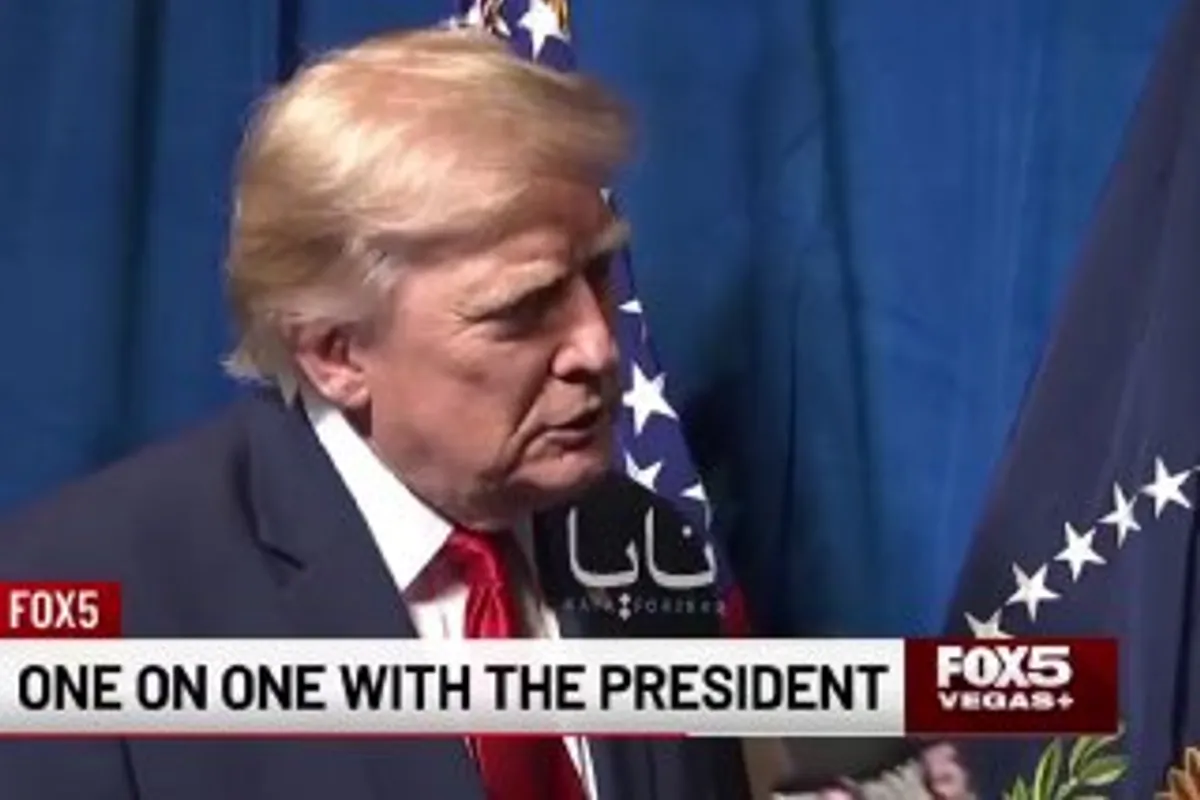
U.S. President Donald Trump said on Wednesday that the United States was ready to strike Iran, but he also left open the possibility that the outcome this time might not differ from previous ones. When asked by reporters why he thinks things with Iran will be different this time, Trump replied: "Maybe it will be different, and maybe not. We were ready to attack. We know when you're really ready and when you're bluffing. We were ready to strike."
His statement comes amid growing reports of serious problems with U.S. military stockpiles and internal administration conflicts. Just hours earlier, the Washington Post reported that Trump clashed with Defense Secretary Pete Hegseth over a shortage of key weapons, including long-range guided missiles and air defense interceptors. According to the newspaper, the shortage is one reason Trump canceled planned strikes on Iran in recent days.
Trump vehemently denied any shortage on his Truth Social platform, claiming the U.S. has "massive amounts" of ammunition. "Defense companies are building the largest number of factories and facilities in the history of our country," he wrote. At the same time, he threatened those who leak information, saying that the search is on for the 'leakers' of alleged "treasonous statements" and adding: "Long prison sentences will be sought!"
White House press secretary Karoline Leavitt criticized the Washington Post story and said the described incident never happened. Reports about the location of the alleged clash differ, while the Washington Post says it occurred on the sidelines of a cabinet meeting last week, the Telegram channel WarFront Witness reports that the clash took place at a meeting in Camp David, where Trump allegedly confronted Hegseth with the question of why there is a missile shortage.
The discussion about weapons stockpiles is not unfounded. According to documents submitted to Congress, the Pentagon's emergency funding request for this fiscal year amounts to $67 billion. Of that, $18.2 billion is earmarked for replacing the most advanced Patriot interceptors, Tomahawk naval missiles, and THAAD high-altitude ground-based interceptors.
An analysis by the Center for Strategic and International Studies (CSIS), a bipartisan research organization, shows a dramatic decline in stockpiles. The initial estimate indicated a drop in Patriot interceptor inventory of about 55% compared to pre-conflict levels. Updated data from late July, which includes later fighting with Iran, shows a decline of as much as 65%. This is happening while the U.S. military strikes Iran and repels drone and missile attacks on its bases in the region.
Last week, Trump told the Wall Street Journal that the United States has "far more ammunition than anyone in the world," thus dismissing concerns about stockpiles that are increasingly coming to the forefront as the war with Iran continues.