Trump announces new talks with Iran on August 3
U.S. president reveals Saudi Arabia, UAE, and Qatar sought to delay strikes, with talks also covering the crucial Strait of Hormuz
U.S. president reveals Saudi Arabia, UAE, and Qatar sought to delay strikes, with talks also covering the crucial Strait of Hormuz

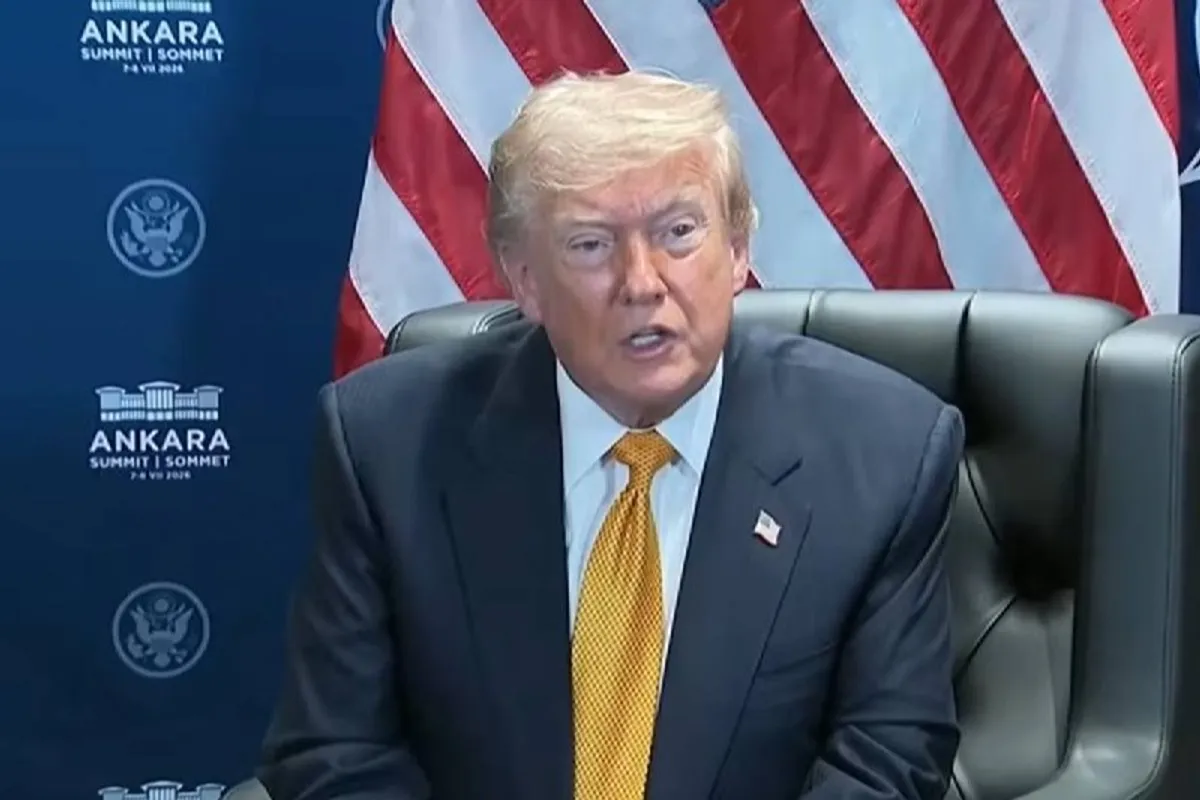
U.S. President Donald Trump said on Saturday that new talks with Iran on a ceasefire would begin on Sunday, August 3, 2026, after he decided to halt planned massive strikes on the country. Trump told reporters on Air Force One on August 2 that Iran and U.S. partners Saudi Arabia, the United Arab Emirates, and Qatar had asked him to call off the strikes, as reported by Straits Times.
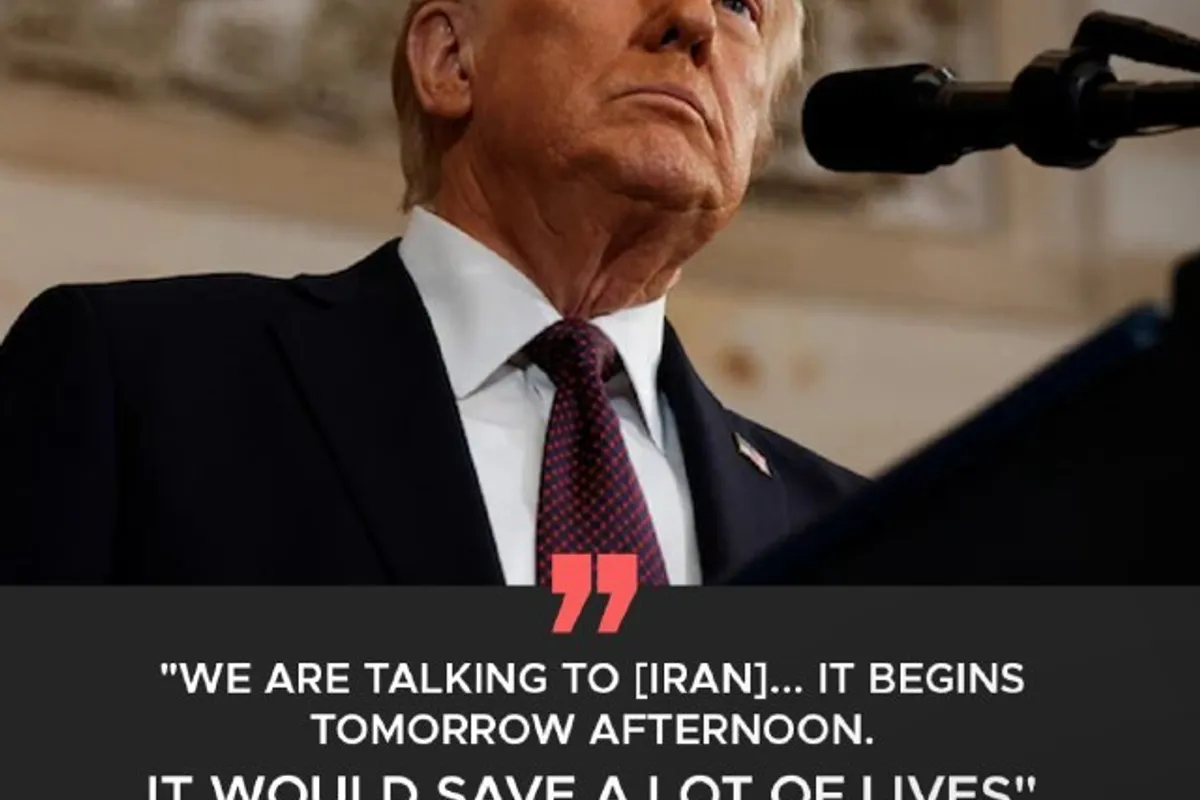
"Obviously, they don't want to be attacked. They knew the scale of the attacks because they saw them forming," Trump said. "Now what we're doing is talking to them in the form of negotiations. It starts tomorrow afternoon." The president did not provide details on the location of the talks or the participants.
A day earlier, on August 1, Trump backed down from threats of a massive attack that he claimed would be "the largest attack since World War II." According to his words, there was a "framework" for a deal. Explaining his decision, Trump said: "When allies ask for it to be canceled, you have to say 'Well, let's see.' And the reason they ask is because they think there's a deal."
According to La Repubblica, Saudi Crown Prince Mohammed bin Salman called the White House and requested that "every effort be made for a ceasefire." Trump also relayed the Saudi leader's warning about potential unintended consequences of the strikes: "I mean, will they be overwhelmed with people flooding into their country and disaster? A lot of bad things can happen," writes Straits Times.
Trump confirmed that the talks would cover two main issues. "There's a deal on the (Strait of) Hormuz, and then there will be a deal on the nuclear program, or you can call it the denuclearization of Iran," he stated. The Strait of Hormuz is a vital waterway for global energy supplies, and Iran has tightened its control over it in recent weeks after a previous ceasefire agreement collapsed. La Repubblica also reports an Iranian statement that Hormuz "will never be free again."
Iranian Foreign Minister Araghchi said on Saturday that negotiations between Iran and Oman, the mediator country, are in their final stages. Both countries border the Strait of Hormuz and are discussing a new shipping route through the area, according to Dutch broadcaster NOS. Iran itself, however, has not yet officially confirmed new talks with the U.S.
When asked by a journalist about reports of U.S. troops being relocated from Kuwait and Bahrain, Trump briefly replied: "I don't want to comment on that." The news was reported by Clash Report via Telegram.
The war between the U.S. and Israel against Iran began on February 28, 2026, with surprise attacks. Although months of intermittent diplomacy led to periods of relative calm, including mediation by Pakistan two months ago, violence escalated again last month. Trump is also under domestic pressure to end the war due to economic consequences, including high fuel prices causing discontent.