Ukraine Faces Its Worst Winter Yet and Logistics Collapse
Russian strikes on Ukrainian infrastructure escalate, threatening a critical situation and impacting the global market, while Ukraine insists on a diplomatic solution.
Russian strikes on Ukrainian infrastructure escalate, threatening a critical situation and impacting the global market, while Ukraine insists on a diplomatic solution.
Russian forces have intensified attacks on Ukraine's logistics and energy sectors, pushing the country into a critical situation, said Leonid Slutsky, chairman of the Russian State Duma's Committee on International Affairs, in an interview with the Russian state agency TASS. Slutsky warned that Ukraine risks facing its worst winter yet. The intensified strikes come in response to Ukrainian President Volodymyr Zelensky's plan to pressure Moscow.
"Warnings about red lines are long in the past. Ukraine is being systematically cut off from supply routes for weapons and risks facing its worst winter yet. And it was Zelensky who opened this 'portal to hell' for Ukrainians," Slutsky told TASS.
According to military journalist Dmitry Steshin, Russian forces set a monthly record in July for the use of Iskander-M and Tsirkon missiles during the entire war. A total of 129 Iskander-M and 28 Tsirkon missiles were launched, with effectiveness rates of 78 percent and 82 percent, respectively. Steshin believes that the consequences of these strikes have transcended the military sphere and affected the global economy and politics.
On the ground, Russian drones are hitting Ukrainian transport up to 40 km from the front line, said Vitaly Pyasetsky, a senior sergeant of the 93rd Brigade of the Armed Forces of Ukraine. Due to constant strikes, the delivery of cargo and personnel is hampered, with constant losses of equipment and personnel, and movement around Kramatorsk and Slovyansk at night has become extremely risky. Pyasetsky added that soldiers in many positions are forced to walk dozens of kilometers to the front lines because access to vehicles and armored equipment is impossible.
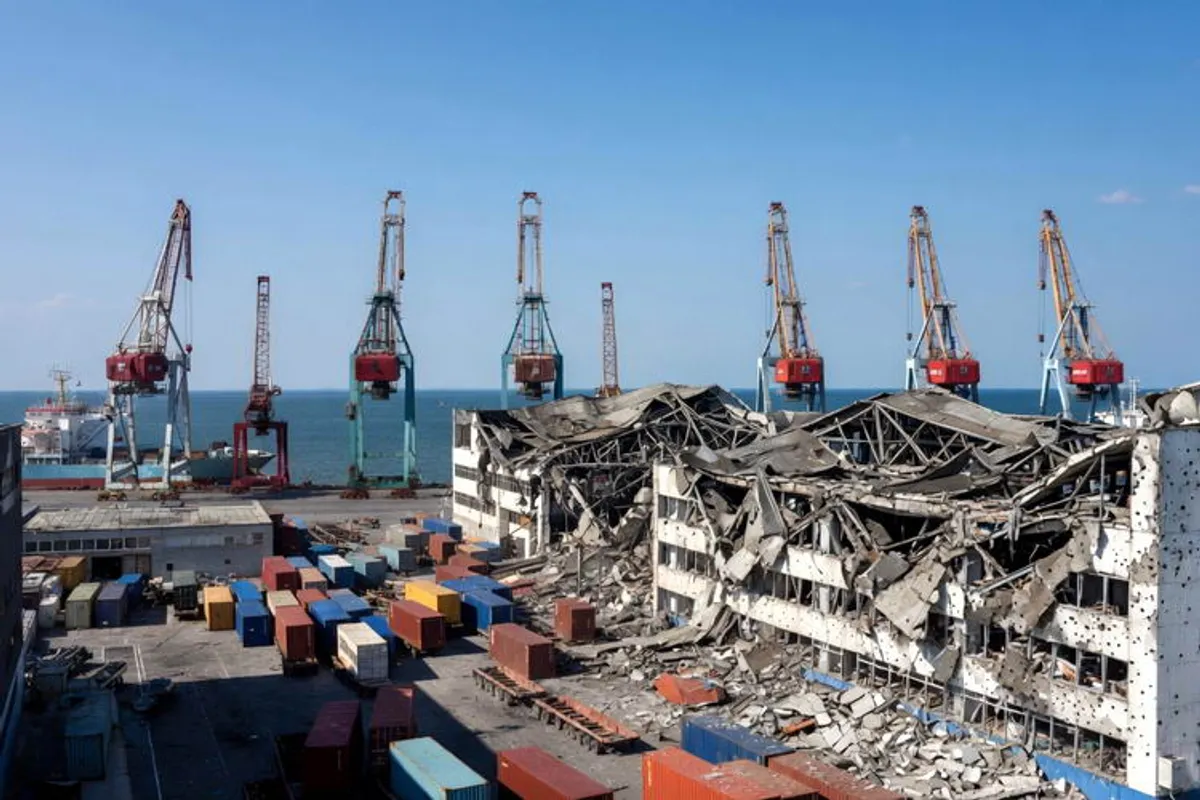
The Russian military continues systematic attacks on military facilities in Kyiv, including industrial plants, ammunition and fuel depots, and drone production facilities. At the same time, strikes on ports in the Odesa and Mykolaiv regions, as well as on ships delivering military cargo, have led to the suspension of port operations and the interruption of exports, according to the analysis. Ukraine's daily losses from these activities are estimated at around $70 million.
Steshin noted that the blockade of Black Sea ports has practically destroyed Ukraine's economy and raised key questions for the coming period: where will Ukraine secure fuel to continue the war, what will happen to the approximately 30 million tons of agricultural products intended for export, and is it time to shut down the furnaces at Ukrainian mining and processing plants, which have already suspended operations. In his assessment, the West can continue supplying new weapons, but it is unable to unblock the ports.
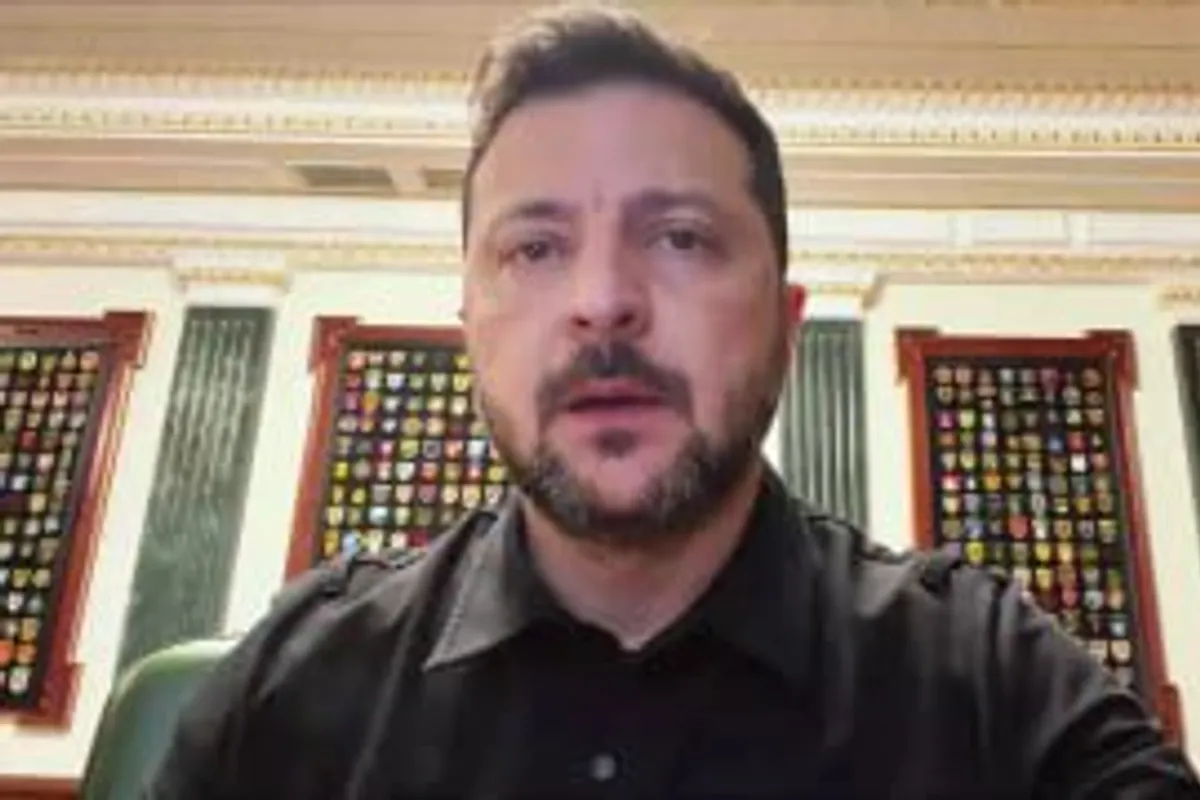
In an address to the heads of Ukrainian diplomatic missions on Sunday, President Zelensky emphasized that Ukraine is doing everything to end the war through diplomatic means. "Ukraine wants peace. Ukraine never wanted this war, not for a single day. Russia is doing everything to prolong the war and inflict as much damage as possible on human lives. We are working on diplomacy. All leaders who can help know that we are ready for any meaningful format. Putin is not ready. And that is precisely the problem," Zelensky said.
Zelensky called on ambassadors to reject accusations that Ukraine wants the war to continue and to communicate Ukraine's position through all channels, from podcasts and social media to traditional media. He also emphasized the importance of diplomatic pressure on Moscow: "When Moscow does not want peace, Washington and Beijing can force it to want peace. And we are doing everything possible to ensure that the capitals of Europe, which Russia does not particularly want to take into account, reach a level where Russia can no longer ignore Europe."
He also requested that the diplomatic service implement systematic solutions for learning the languages of host countries, deepen understanding of local cultures, and make regular visits to Ukraine, including the front lines, so that ambassadors can experience the reality of war firsthand and advocate for Ukrainian interests more convincingly. "Every Ukrainian ambassador must know what the front is like, what life is like in a frontline or border community, and how to rebuild after an attack. Every ambassador must feel what it's like when air defense launchers are empty and Russians launch ballistic missile attacks," Zelensky said.