Over 60% of Ukrainians Ready to Endure the War for as Long as Needed
A survey by the Kyiv International Institute of Sociology reveals that nearly half of respondents believe the war will not end before the second half of 2027.
A survey by the Kyiv International Institute of Sociology reveals that nearly half of respondents believe the war will not end before the second half of 2027.
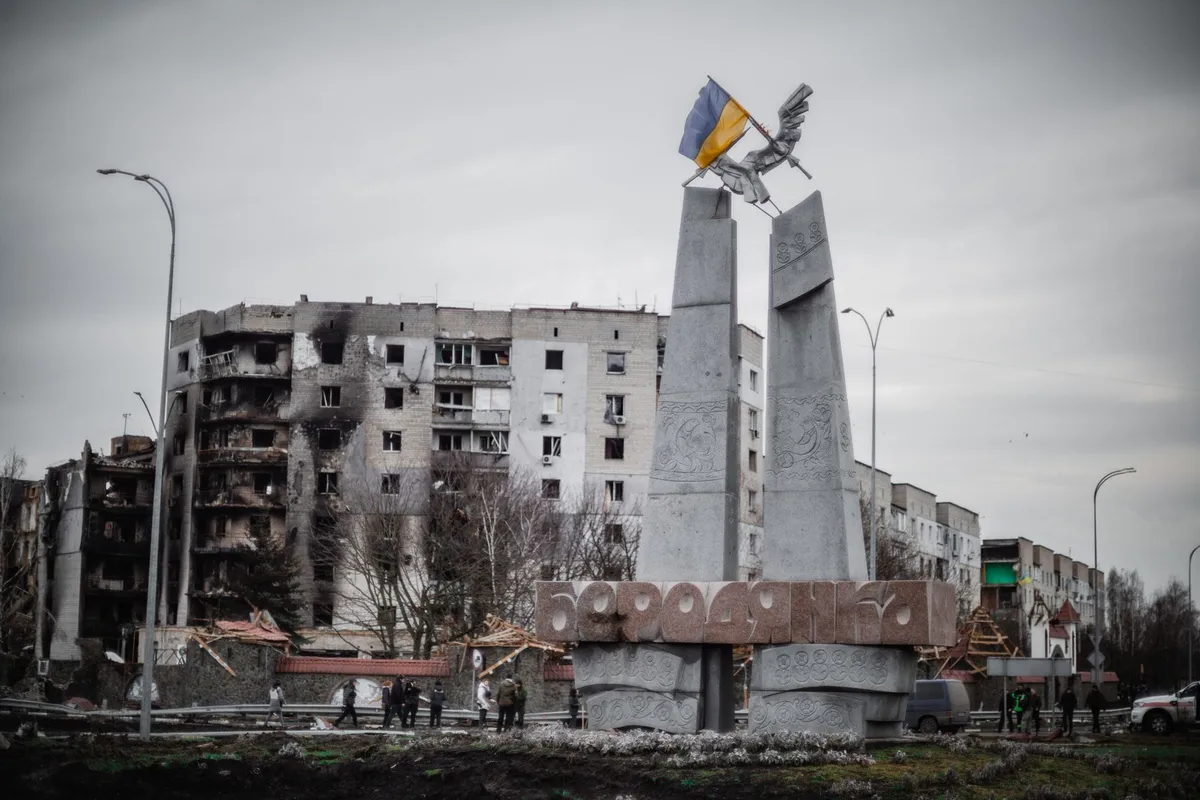
A new public opinion survey in Ukraine shows a significant increase in citizens' determination to endure the war, despite expectations that the conflict will continue for a long time. According to the poll by the Kyiv International Institute of Sociology (KIIS), as many as 61% of respondents said they are ready to endure the war effort for as long as necessary.
This figure represents a strong recovery compared to April 2026, when the same indicator dropped to 48%. "Ukrainians are therefore predominantly prepared for the war to continue for a long time," commented KIIS sociologists for Ukrainska Pravda.
The survey, conducted from July 20 to August 3, 2026, on a sample of 974 respondents across the entire territory under Ukrainian government control, also reveals prevailing pessimism regarding the duration of the conflict. Only 21% of Ukrainians believe the war could end by the end of this year, while 15% expect it to end no later than the first half of 2027.
In contrast, a convincing 45% of respondents believe that the end of the war cannot be expected before the second half of 2027 or even later. A significant share of 19% has no clear stance on this issue.
Interestingly, the increase in readiness for long-term endurance was recorded in all regions, and it is particularly pronounced in the capital, Kyiv. There, the percentage of those willing to endure for as long as needed rose from 61% in April to 69% in the latest survey. This surge occurs amid intense Russian attacks on the metropolis.
On the other hand, the share of those willing to endure the war for a few more months to half a year decreased from 29% in April to the current 20%, further indicating a consolidation of attitudes toward a long-term struggle.
KIIS notes that, in addition to the formal statistical error ranging from 1.8% to 4.1% depending on the indicator, under wartime conditions there is also a certain systematic deviation that may affect the quality of the results.