More Than Cheering: How Torcida Became a Symbol of Split
From humble beginnings at the 1950 World Cup to a global phenomenon, the story of Torcida is intertwined with the history of Hajduk, the city, and the entire region.
From humble beginnings at the 1950 World Cup to a global phenomenon, the story of Torcida is intertwined with the history of Hajduk, the city, and the entire region.
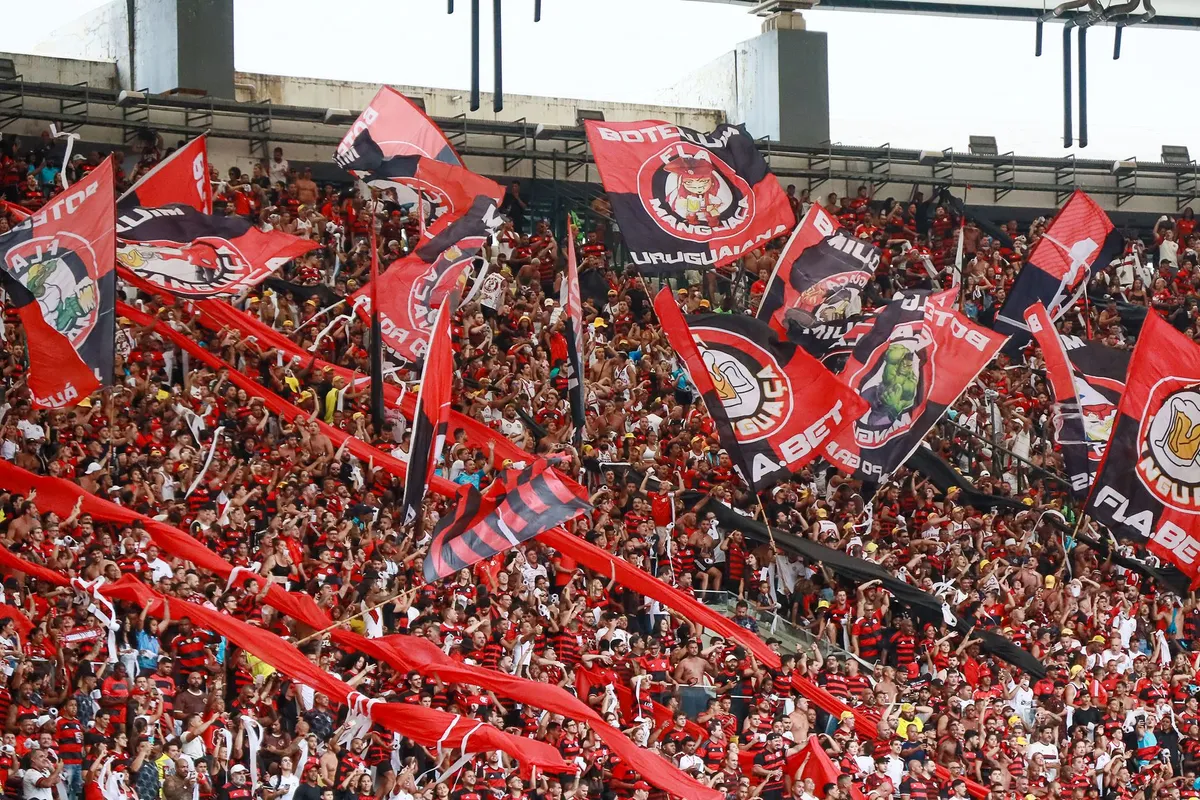
When the name Torcida is mentioned, most people first think of the deafening noise from Poljud, fireworks, and breathtaking choreographies. However, this fan group of HNK Hajduk from Split, officially founded on October 28, 1950, has long surpassed the bounds of sports cheering. It has become an indispensable cultural, social, and often political phenomenon that has shaped the identity of generations.
The very name comes from the Brazilian word "torcida," which translates to "fans." The inspiration came from the 1950 World Cup, when young Split residents, thrilled by the passion with which Brazilians cheered on their national team, decided to create something similar on home turf. That idea grew into one of the oldest organized fan groups in Europe.
Over the decades, Torcida has built a reputation for formidable support. Its members, organized into subgroups such as "Skripari" and "Vojvode," follow Hajduk across the country and the continent, creating an atmosphere on every away trip as if they were at home. Their songs, banners, and choreographies often carry powerful messages that transcend the pitch.
Torcida has never been a passive observer of social events. During the Croatian War of Independence, its members played a crucial role in the defense and preservation of the Split region, and the symbolism of the club and its fans became inextricably linked with Croatian identity. This connection is still visible in the stands today, where national symbols often fly alongside the Hajduk crest. Because of this, Torcida has often been the target of criticism and accusations of ties to right-wing political options, as well as the subject of numerous clashes with the police.
Amid all the controversy, Torcida has another side. It has organized countless humanitarian actions, collecting aid for those in need and demonstrating a social awareness that is often overlooked in media reports focused on incidents. Today, Torcida is a globally recognized brand with branches in the diaspora, and its flag and crest are symbols that connect Split residents from Australia to Canada.