Alcaraz with Braids and a Stringless Racket
Spanish tennis player withdraws from Cincinnati Masters, US Open appearance still in doubt
Spanish tennis player withdraws from Cincinnati Masters, US Open appearance still in doubt

Last week, Carlos Alcaraz, the world's second-ranked tennis player, surprised fans by appearing on the open concrete courts of Club de Campo de Murcia with a hairstyle that drew almost as much attention as the fact that he was back on court. The braids, popular among female tourists on Spanish beaches and associated by his generation with basketball player Allen Iverson, were gone by Monday, but a more significant symbol remained: after nearly four months of rehabilitation, Alcaraz had returned to outdoor tennis.
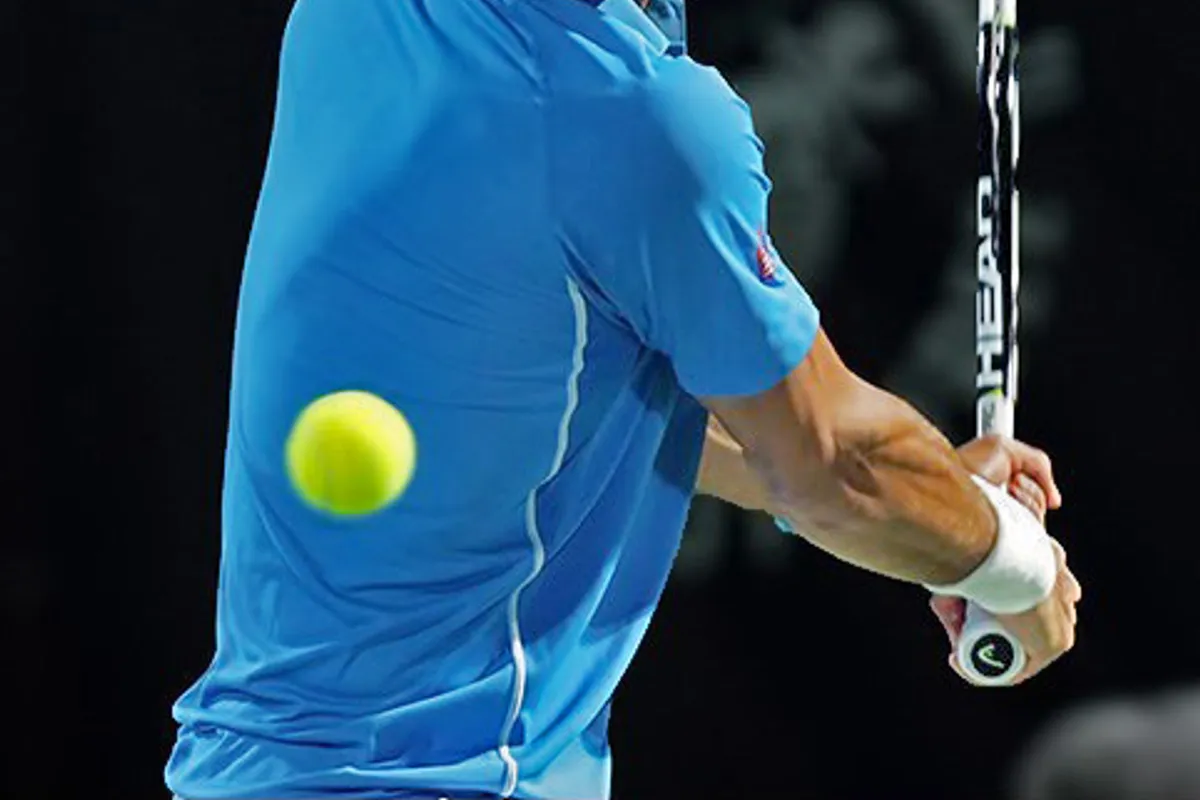
He injured his right wrist on April 14, 2026, and the recovery has been slow and carefully measured. First, the wrist was completely immobilized, then came weeks of hitting with his left hand to spare the right, followed by practice with a stringless racket and an incomplete frame. This is a common rehabilitation technique that allows for repeating the technical motion without the ball impact transmitting vibrations to the joint.
Now, already using a normal racket, Alcaraz is accelerating his forehand, changing directions, playing volleys and backhands, while his team continues to monitor the wrist's reactions with great caution. Last weekend in Alicante, where he trained at Club Arena Alicante de Playa de San Juan, he received a brief visit from Ángel Ruiz Cotorro, the doctor of the Spanish Davis Cup team. He confirmed that everything is progressing well, but also that patience remains key.
Despite the positive signs, the Cincinnati tournament confirmed on August 5, 2026, that Alcaraz will not defend his title at the Masters 1000 event starting next week. "We know Carlos is doing everything possible to return to competition as soon as possible," tournament director Bob Moran said via social media. The withdrawal will cost him 1,000 points he was defending, and he also misses the only planned competitive test before the US Open.
The Grand Slam in New York, which Alcaraz also defends, begins at the end of August, but no decision has been made yet about his participation. From the player's camp, they say everything will depend on how the wrist behaves in the coming weeks and that there will be no risk-taking. The goal remains to step onto the Arthur Ashe court, but if that isn't possible, it won't be a drama at this point.
The medical team is also aware of the rest of his body's condition. Recovering from injury and returning to competitive form are two separate processes, and the latter always takes longer. Muscle tone is lost during weeks of inactivity and returns much more slowly. Tennis does not forgive shortcuts: it demands constant accelerations, sudden stops, explosive changes of direction, and endurance for matches that can last over three hours. A premature return would be a risk to all joints, not just the wrist, and could turn a long injury into an even costlier relapse.
That's why Alcaraz's team has been repeating the same mantra for weeks: better to arrive late and whole than early and broken.