U.S. Military Reroutes 45 Ships from Iran Blockade
CENTCOM releases latest data on the naval blockade enforcement as diplomatic efforts to resolve the Strait of Hormuz situation continue.
CENTCOM releases latest data on the naval blockade enforcement as diplomatic efforts to resolve the Strait of Hormuz situation continue.

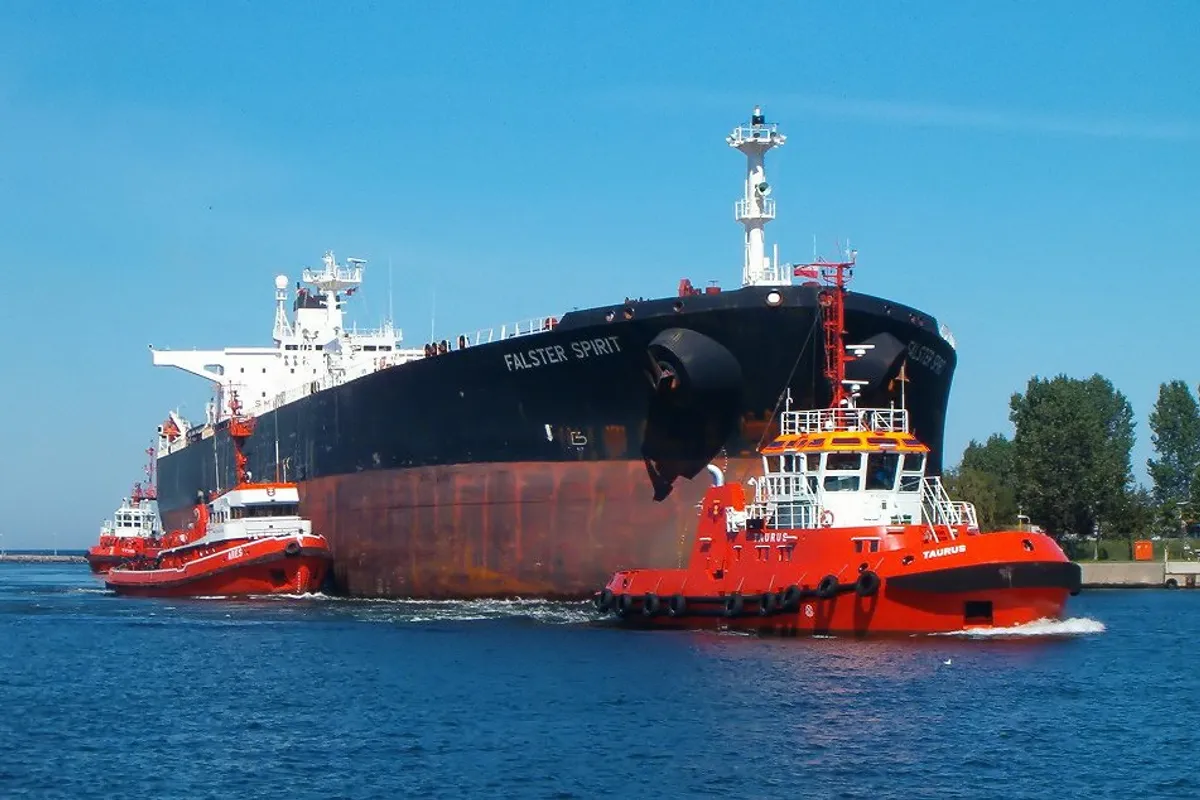
The U.S. Central Command (CENTCOM) announced on Tuesday that American forces have rerouted 45 commercial vessels since the United States resumed its naval blockade of Iran on July 14, 2026. According to a statement posted on X, in addition to the reroutings, two vessels were disabled and two others were searched to ensure compliance with the blockade.
More than 20 U.S. ships are currently operating in the Middle East to enforce the blockade, CENTCOM previously reported. This operation coincides with growing diplomatic activity aimed at easing tensions in the region, particularly around the critical Strait of Hormuz.
Signs of intensified diplomatic efforts to find a solution for the Strait of Hormuz led to a drop in oil prices below $80 on Tuesday. On the London market, a barrel traded at $79.92, a decline of $3.85 from the previous close. On the U.S. market, prices fell by $4.16 to $76.18 per barrel.
The price drop was driven by the U.S. decision to hold off on a new wave of strikes against Iranian energy infrastructure. President Donald Trump had earlier indicated his desire to allow more time for diplomacy, and on Monday he highlighted "good" talks with Tehran.
However, Esmaeil Baghei, spokesman for Iran's Foreign Ministry and a member of the Iranian negotiating team, stressed a few hours later that Iran is not currently negotiating with the U.S. He did confirm that talks are being held with Oman, exclusively regarding the establishment of a temporary safe route through the Strait of Hormuz.
A senior unnamed Iranian official told Reuters on Tuesday that Iran wants control over the entry of ships into the Persian Gulf and "visibility" over outgoing traffic, with the ability to intervene if necessary.
Qatari Prime Minister Sheikh Mohammed bin Abdulrahman Al Thani spoke by phone on Tuesday with leaders from Saudi Arabia, Oman, the United Arab Emirates, Kuwait, and Bahrain about calming regional tensions and strengthening regional security. Qatar's Foreign Ministry stated that Doha supports all efforts to reach a comprehensive agreement that would establish peace in the region.
In June 2026, Qatar, along with Pakistan, played a key mediating role in establishing the framework for a peace agreement between the U.S. and Iran, which envisioned normalizing transit through Hormuz under Tehran's control.
Despite diplomatic efforts, the situation at sea remains dangerous. The British Maritime Trade Operations agency reported an incident on Tuesday 37 kilometers northeast of Oman's Al Khasab, where a cargo ship was struck by an unknown projectile.
Meanwhile, Yemen's Ansar Allah movement has blocked Saudi ports in the Red Sea, demanding the lifting of the Saudi blockade on Yemen. Shipping data since Monday shows that six supertankers under the Saudi flag changed course in the Gulf of Aden and headed toward southern Africa, while two tankers carrying Saudi oil passed through the Bab el-Mandeb Strait.
In the meantime, reports indicate significant depletion of U.S. military stockpiles during the five-month conflict with Iran. According to estimates from the Center for Strategic and International Studies (CSIS), the U.S. has used about 65 percent of its Patriot interceptor missiles, while stocks of THAAD system missiles, designed for ballistic missile defense, have been reduced by at least 38 percent.
President Trump and the White House have dismissed claims of compromised combat readiness, emphasizing that the U.S. still has large quantities of ammunition and that the domestic defense industry is ramping up production to replenish and further strengthen military reserves.
ING analysts Ewa Manthay and Warren Pattersson believe that Tuesday's sharp drop in oil prices is largely "overdone," given that uncertainty remains high. They warn that the situation has signaled a de-escalation several times before, only to change dramatically.