Apple Could Charge for Advanced Siri AI, MacBook Air Shortage
Tim Cook hints at pricier iCloud+ tiers for the new Siri, while a global memory shortage empties MacBook Air shelves.
Tim Cook hints at pricier iCloud+ tiers for the new Siri, while a global memory shortage empties MacBook Air shelves.
Apple CEO Tim Cook, during his latest earnings call in that role, stated that users of the new, advanced Siri AI could face additional costs in the future. According to Ukraine's UNIAN, Cook hinted that active users might need to switch to more expensive iCloud+ subscription plans.
The reason for potential charges lies in the high costs of running artificial intelligence. The new Siri is designed to use personal context from messages, notes, and other apps on the device, which requires significantly more expensive computing and cloud infrastructure. As UNIAN reports, a final decision on introducing fees has not yet been made.
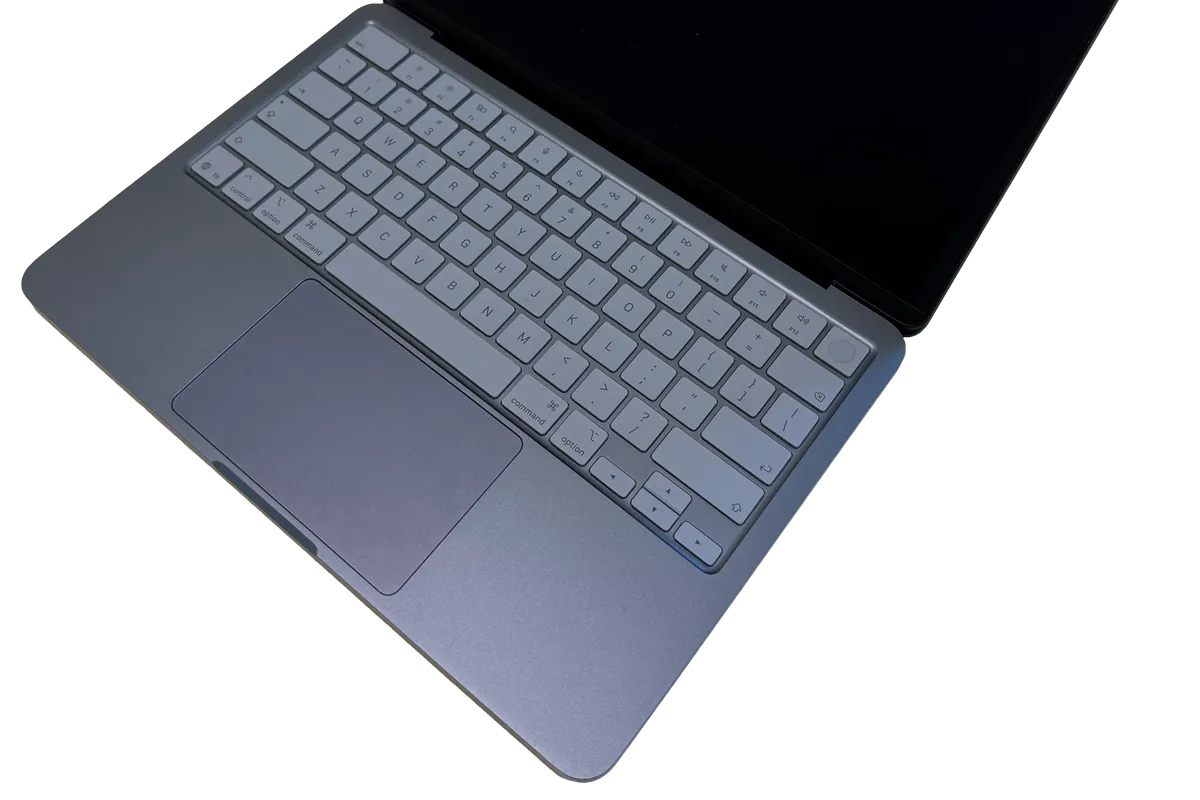
Meanwhile, Apple is facing supply issues for one of its most popular laptops. As Gizmodo reports, citing anonymous sources from Bloomberg journalist Mark Gurman, Apple Store shelves are increasingly bare when it comes to the MacBook Air. Gurman described the inventory situation as
"more constrained than anyone can remember", Gizmodo reports.
The problem is not caused by seasonal demand but is the latest symptom of a global memory chip shortage driven by massive investments in AI development. Tim Cook, back in June 2026, called this shortage a
"once-in-a-century flood"for the industry, one he hasn't seen in over 40 years of his career. Apple then raised the price of the M5 MacBook Air by $200.
Customers trying to order a MacBook Air online face delivery dates stretching into late August. Gizmodo notes that when attempting to purchase the base model online, the page shows delivery only in the week of August 19-25, 2026. For comparison, the base iPad is available for next-day delivery or even same-day in-store pickup.
According to Bloomberg's sources, Apple is actively seeking solutions to mitigate the crisis. One strategy involves finding Chinese memory chips that could be used in devices intended for sale in the Chinese market. This effort, as Gizmodo reports citing Gurman, is still ongoing.