Bilić Assembles the Vatreni: Mišić Comes In, Modrić's Fate Hangs in the Balance
New head coach Slaven Bilić will announce his first squad in three weeks. Is Luka Modrić ready for another cycle, or is it time to say goodbye to the national team?
New head coach Slaven Bilić will announce his first squad in three weeks. Is Luka Modrić ready for another cycle, or is it time to say goodbye to the national team?
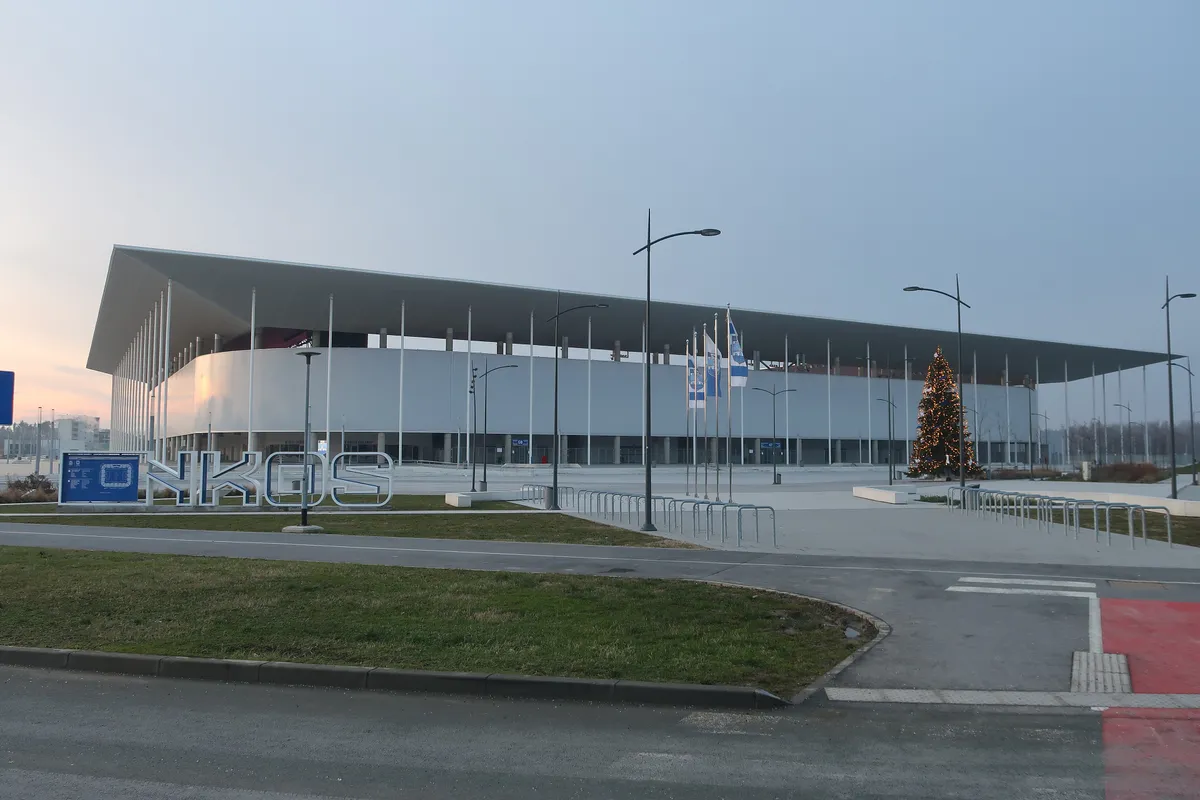
Slaven Bilić is preparing to announce his first national team squad in his second stint as head coach, and the new cycle for the Vatreni officially kicks off with a gathering on September 21, 2026, for the first round of the UEFA Nations League. Croatia will start against the Czech Republic in Prague on September 26, then head to Seville to face world champions Spain on September 29, before hosting England at Rujevica on October 3 and Spain at Poljud on October 6. All matches are scheduled for 8:45 PM, except the one in Rijeka, which starts at 6:00 PM. The match against England at Rujevica will be played behind closed doors.
Although the head coach has stayed out of the media since his appointment, it is known that his coaching staff will include assistants Danilo Butorović, Dean Računica, and Nikola Jurčević, along with goalkeeping coach Vatroslav Mihačić. Sportske novosti reports that the Croatian Football Federation (HNS) has significantly reduced Bilić's annual salary compared to his predecessor Zlatko Dalić, and a similar reduction was also offered to Dalić, who decided to remain at the helm of the national team. Bilić has emphasized that returning to the bench was not a financial matter, and it is expected that he will fill out his staff with specialists, possibly from abroad, with whom he has worked at his previous clubs.
When it comes to the player pool, Bilić indicated on HRT that there will be no tectonic shifts. The base will consist of the 26 players who were part of the World Cup squad, with reinforcements expected from the list of players on standby: Letica, Smolčić, Majer, Stojković, Ivanović, and Beljo. This is partly because Dalić carried out most of the generational changes at the end of his tenure, and the Croatian player pool for the A team is not deep enough for Bilić to spring major surprises.
The biggest potential new addition is the call-up of Dinamo's captain, Josip Mišić. Mišić, who turned 32 in June, has only two senior international caps so far, both in the domestic players' selection led by Ante Čačić at the tournament in China in January 2017. According to Sportske novosti, Bilić sees him as a player similar in profile to Marcelo Brozović, who, in addition to initiating attacks, can also provide significant defensive support.
Does this open the possibility of reshaping the midfield into a three-man setup with one holding midfielder and two box-to-box players? Bilić hasn't confirmed this, but he told reporters that too much attention is being paid to the number of players in the formation. Based on his earlier tactical ideas, Croatia would likely start with one deep-lying midfielder in the attacking phase, but would set up with two such players in defense. However, Sportske novosti emphasizes that this is theory and speculation based on past statements, and what matters more is what Bilić ultimately decides.
The key question remains the future of Luka Modrić. A few weeks ago, Bilić spoke with him in Zadar and tried to persuade him to remain part of the national team, without a defined time frame. Before leaving for the World Cup, Modrić had clear intentions about ending his 20-year international career, which began in 2006 under none other than Slaven Bilić. But the return of the former head coach seems to have emotionally intrigued Modrić.
The fact is that the greatest Croatian footballer of all time turns 41 in September. Despite still having sufficient physical potential, it seems illogical that he could cope with the rhythm of four matches in 11 days, which awaits the Vatreni in the September cycle. What would be the point of starting the Nations League and then ending his career after two or three appearances (there are six in total by the end of the year)? Sportske novosti analyzes that Modrić is not the type to be reduced to a "presence as support" at this stage of his career.
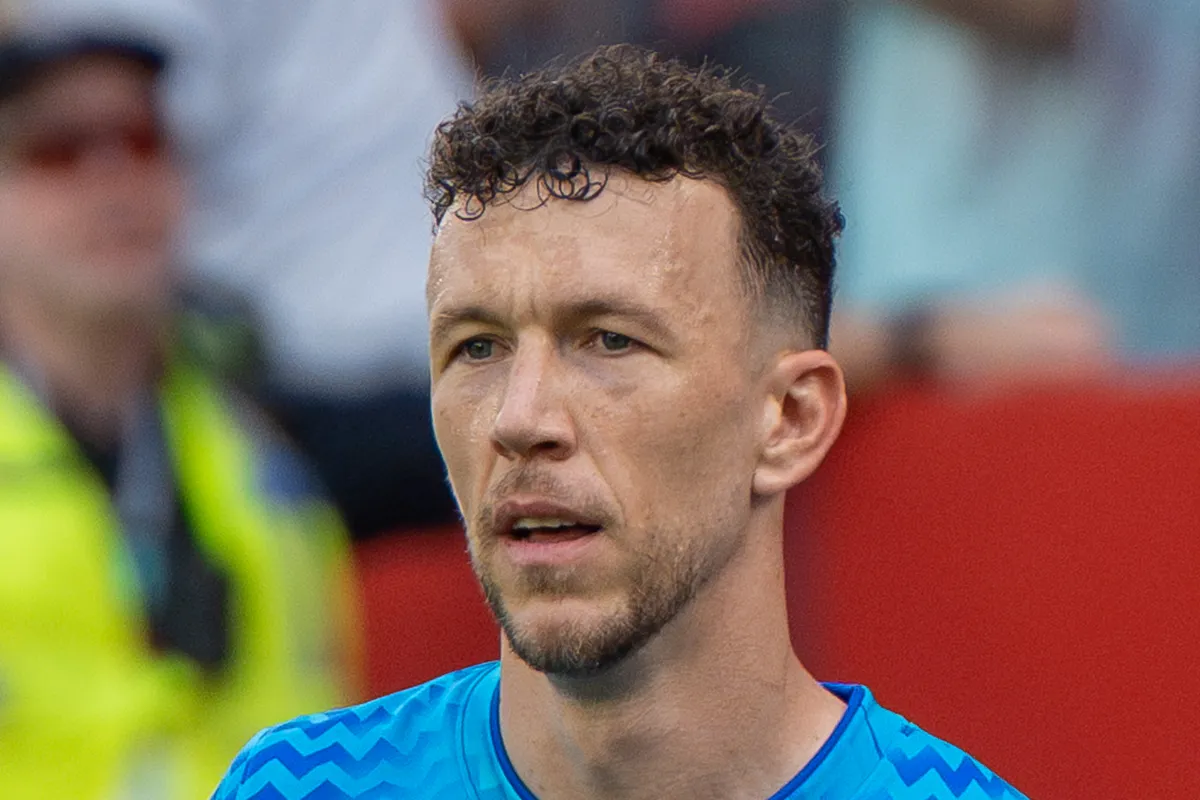
Bilić must make a decision in the next two weeks, because depending on Modrić's decision, he will know how to plan the midfield call-ups. If Modrić announces his departure, it is almost certain that Ivan Perišić will take over the captain's armband, with Mateo Kovačić as his successor. Perišić, according to sources close to him, has had a long conversation with the head coach and is motivated to play a key role for the national team, reportedly accepting a primary position as left-back. This makes Bilić's choice easier, as he has long considered Joško Gvardiol as the first-choice left center-back.
Although the center-back line was considered "settled," the club situations of Šutalo, Pongračić, and Ćaleta-Car, as well as goalkeeper Livaković, are uncertain. If their situations remain unresolved, the head coach will have to reshuffle his cards. Therefore, it is important that Gvardiol has a stable position, and Perišić's willingness to remain at left-back helps until a new solution emerges.