Biškić Warns of Ecological Black Spots
Split City Councilor Marinko Biškić of Možemo! has criticized the government for its slow response to environmental issues in Dalmatia, from asbestos in Vranjic to illegal waste dumps.
Split City Councilor Marinko Biškić of Možemo! has criticized the government for its slow response to environmental issues in Dalmatia, from asbestos in Vranjic to illegal waste dumps.
Split City Councilor Marinko Biškić of Možemo! has warned of a series of ecological black spots in the Split-Dalmatia County, stating that problems have been piling up for years while the system reacts slowly. The trigger is the ongoing scandal involving illegally dumped waste in Gospić, where around 37,000 tons of buried waste was discovered, and Biškić claims this is not an isolated incident.
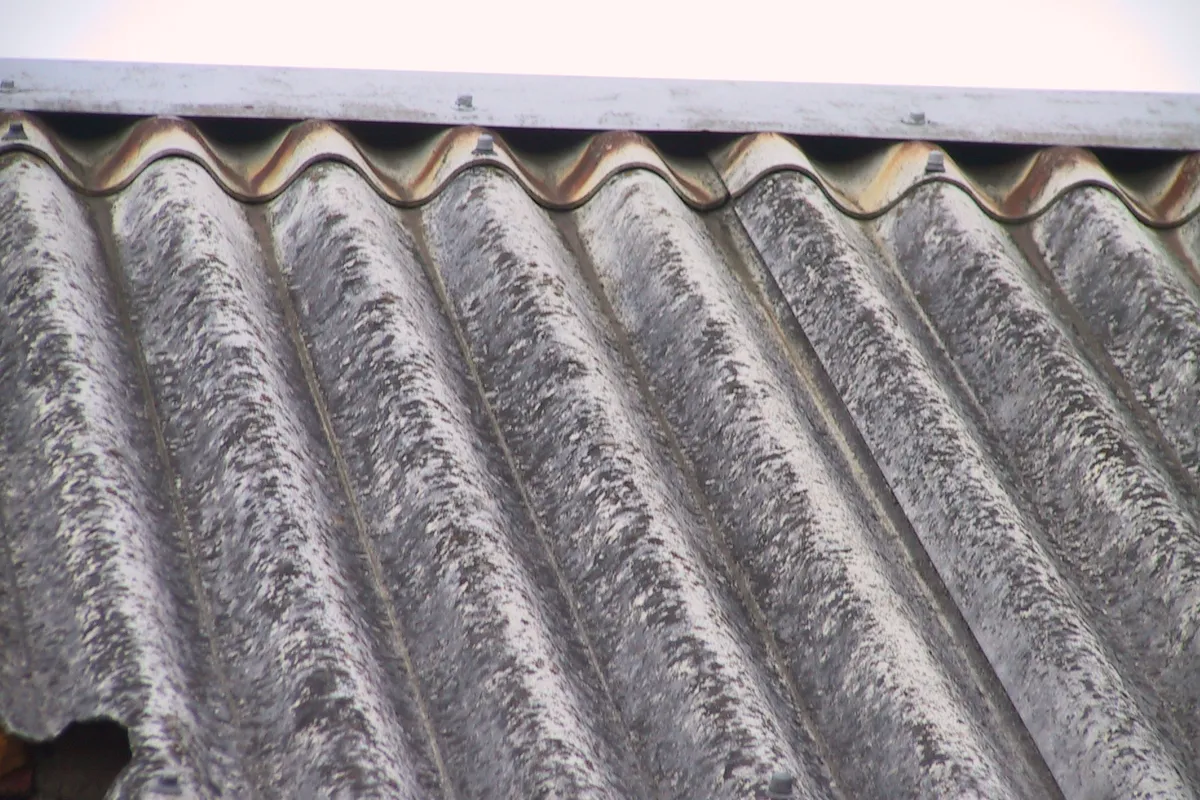
As one of the most serious examples of a long-unresolved issue, Biškić cited the area of the former Salonit factory in Vranjic. The asbestos problem there has been known since 2008, yet the final remediation has not been carried out. He particularly emphasized the impact asbestos exposure has had on local residents.
He also commented on Prime Minister Andrej Plenković's statement yesterday about how the problem in Salonit will be resolved. The plan for the remediation of Kosica was presented about a month ago, and Biškić believes that even with this plan, the whole story is not over.
From the first signs of contamination to this 'solution,' nearly 20 years have passed, and even what is currently offered is neither final nor complete. Biškić said he hopes the process in Gospić will move faster.
When discussing Salonit, he also mentioned Mravinačka kava, where part of the asbestos waste ended up, and noted that this location is near the source of the Jadro River.
Asbestos is not the only environmental issue in the Split area, Biškić warns. He recalled the case of slag in the Northern Port and the time when measuring instruments in northern Split recorded high levels of air pollution, until the source was found and the material covered.
He also addressed the intentions of the company Cemex to store up to two million tons of slag in the Sveti Kajo area. He criticized the way it was handled because a full environmental impact assessment was not requested. The company later abandoned such storage plans, and Biškić believes public pressure influenced that decision.
Also on the list of problematic sites was Dugi Rat, where around 260,000 tons of slag has been sitting for many years. The process of resolving this issue is still ongoing, and Biškić warns that after a long wait, additional stages related to documentation and permits are still ahead.
He highlighted illegal dumps of construction and other waste in the areas of Solin, Kaštel Sućurac, Sitno Gornje, and the surroundings of Omiš as a particular problem. He claims these involve tens of thousands of cubic meters of waste dumped on karst, permeable terrain, posing a potential threat to soil and groundwater.
For some of these locations, orders from the State Inspectorate already exist requiring waste removal, but remediation has not yet been carried out. Biškić also noted that the chair of the Parliamentary Committee on Environmental Protection, Dušica Radojčić, filed a criminal complaint in March 2026 regarding illegal dumps. He now demands information from the authorities on what happened to those complaints and at what stage the proceedings are.
The answer to that question will show whether the state truly wants to punish those who systematically commit ecocide without any consequences, or if this is just another topic someone will try to label as 'opposition hysteria,' Biškić said.
According to Biškić, the common problem in all these cases is the slowness of the system. Citizens report dumps, inspections go to the field and issue decisions, but from the moment a problem is identified to its actual removal, several years can pass. That is why he rejects the idea of shifting the blame solely onto cities and municipalities, as local authorities often lack both the funds and the capacity to remediate large dumps.
Možemo! has put forward three political demands to the government: urgent remediation of Gospić and other dumps for which orders and official decisions already exist, convening an emergency session of the Croatian Parliament on the functioning of the waste oversight and management system, and calling early parliamentary elections.
Biškić also believes that Croatia must strengthen oversight of waste entering the country, tighten conditions for companies that take over waste, and build its own waste management infrastructure.
Croatia needs a system that tracks every shipment of waste entering the country, that makes conditions stricter for companies obtaining permits to take over waste, and that finally builds public waste management capacities, in public ownership and under public control, Biškić concluded.
He called on citizens to continue reporting suspicious and illegal dumps and, if there is no response, to contact the inspection, the Ministry, the media, associations, and other institutions again.