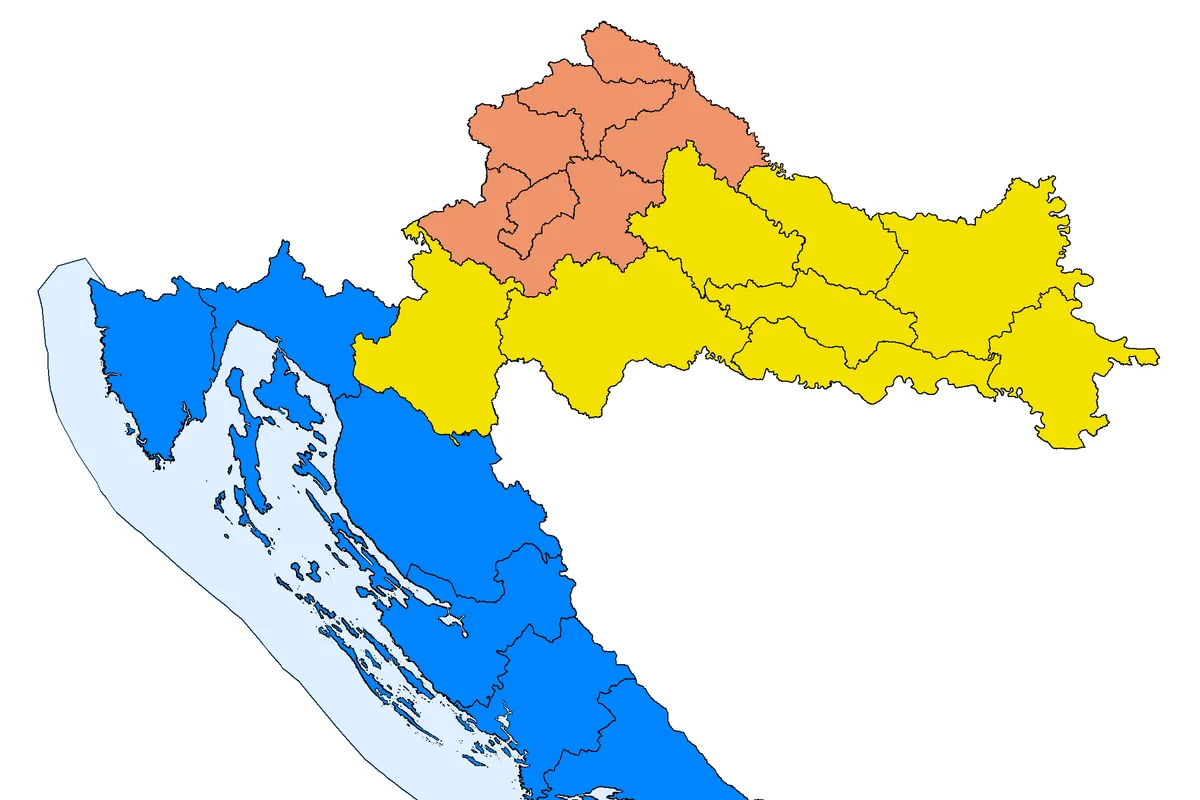
Brucellosis in the Herzegovina-Bosnia Canton: Three People Infected, 72 Animals Contaminated
The number of infected animals is ten times higher than last year, with the largest hotspots in Glamoč, Kupres, Drvar, and Tomislavgrad.
The number of infected animals is ten times higher than last year, with the largest hotspots in Glamoč, Kupres, Drvar, and Tomislavgrad.

The Veterinary Service of the Herzegovina-Bosnia Canton reported on August 3, 2026, a concerning spread of brucellosis in the area. Three people have contracted this dangerous infectious disease, and it has also been confirmed in 72 animals.
According to information from the Veterinary Service, two infected individuals are from Drvar, and one is from Livno, where the canton's seat is located. All three individuals keep livestock in their households, but the service notes that it has not yet been confirmed whether they contracted the disease from their own animals.
During this year, brucellosis has been diagnosed in 32 cattle and 40 sheep, totaling 72 infected animals. All have been culled. Data from the Veterinary Service show that the number of infected animals is ten times higher than last year. The largest hotspots of infection among animals have been recorded in Glamoč, Kupres, Drvar, and Tomislavgrad.
Brucellosis is a chronic infectious disease that affects various animal species, as well as humans. People can become infected through direct contact with infected animals, their secretions, and tissues, as well as by consuming unpasteurized milk and products made from raw milk, especially young cheese and kajmak.
The Veterinary Service of the Herzegovina-Bosnia Canton cites illegal nomadic grazing of livestock arriving from other regions as the main cause of the spread of brucellosis.