A Quarter Century of Klapa Sveti Juraj
From their first performance in Lourdes in 2001 to planned tours in Chicago, Australia, and New Zealand, the Croatian Navy Klapa has become a unique brand of patriotism and faith.
From their first performance in Lourdes in 2001 to planned tours in Chicago, Australia, and New Zealand, the Croatian Navy Klapa has become a unique brand of patriotism and faith.
The Klapa Sveti Juraj of the Croatian Navy is celebrating 25 years of activity, during which it has blended the rigor of military service with the beauty of klapa singing. Behind them are hundreds of performances at home and abroad, and their musical expression and ceremonial white naval uniforms evoke enthusiasm wherever they appear.
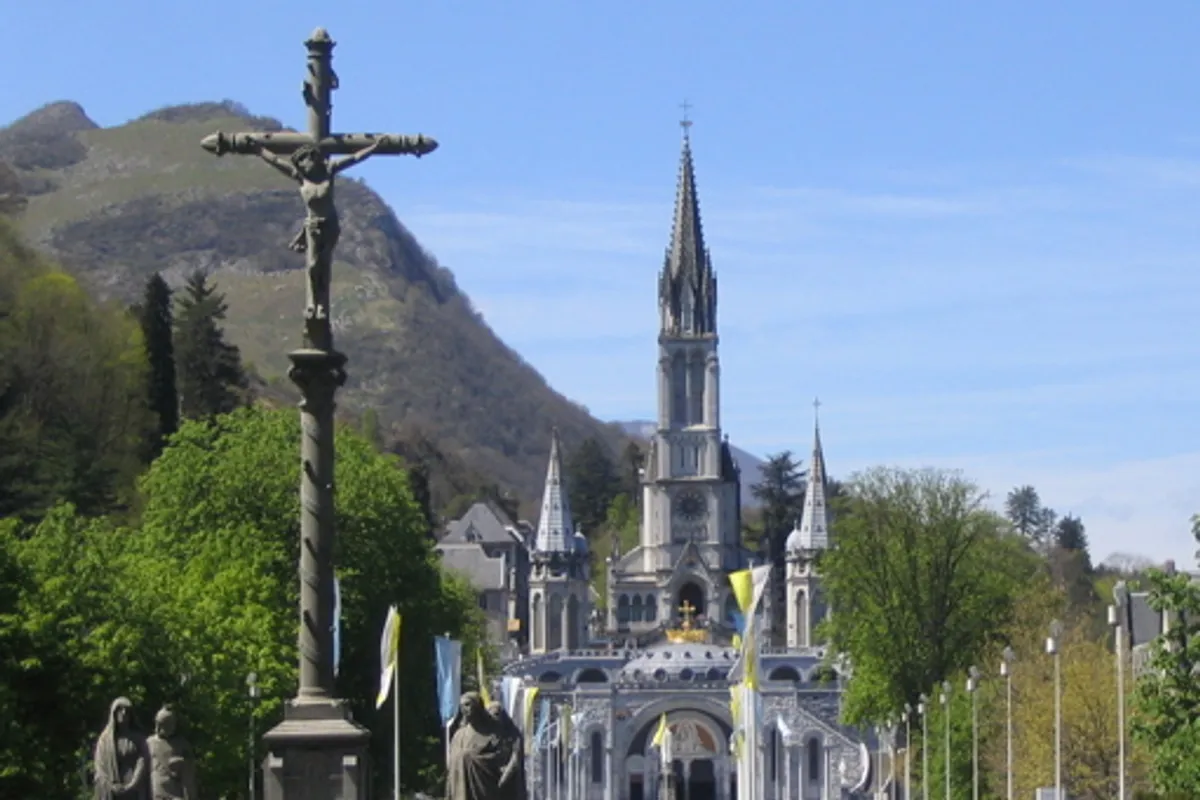
They first sang publicly in 2001 in Lourdes, at the international military pilgrimage. The initiative to establish the klapa came from the late Monsignor Josip Šantić, the first Vicar General of the Military Ordinariate. During a visit to the missile base in Žrnovica, he proposed that the Croatian Army present itself at the gathering of world armies with klapa singing.
He presented this idea to my then-commander, Colonel Vinko Barbarić. The unit knew about my singing with a klapa, in the parish choir, and with folk singers in Kaštel Stari, so they invited me. Monsignor Šantić expressed his wish to me, and I agreed.
Founder and leader of the klapa, Staff Sergeant Marko Bralić, recalled those beginnings, as reported by HRT.
Although every appearance on stage carries a dose of stage fright, members emphasize that it is precisely the audience's reaction that gives them new strength. Corporal Dragan Popović describes that moment as something truly beautiful when the feedback from the audience melts away all nervousness and relaxation sets in.
For Lance Corporal Toni Štulić, who joined the klapa after an audition in 2025 at the invitation of first tenor Stipe Botica, membership has become one of the most important life experiences.
I cannot describe how pleased I was just to get the chance to audition. Within the klapa, it is crucial to achieve unity among members, as we share travels, meals, sleeping arrangements, and van rides. It is complex, but being a member of the klapa is the dearest thing that has happened to me in my life so far.
The members of the klapa particularly emphasize the importance of the Homeland War and the role of Croatian veterans, who are a lasting inspiration in their artistic work. They convey that it is precisely they who deserve the most credit for being able to do this job today, as they gave them freedom, and many laid down their lives for it. They hope to repay them in the best possible way.
After a quarter century of work, the klapa looks forward to new performances around the world. Soon they travel to Chicago at the invitation of the Croatian Catholic Mission, and there are also plans to visit Australia and New Zealand, where Croatian communities eagerly await them. Combining military pride, love for the homeland, and faith, the Klapa Sveti Juraj of the Croatian Navy has gained a special identity and established itself as an important symbol of the Croatian Army.