Olive Oil Prices Threaten to Rise Again
Extreme heat and wildfires have devastated olive groves in Greece, Italy, and Portugal, while drought also affects Spain. Croatian consumers will feel the consequences.
Extreme heat and wildfires have devastated olive groves in Greece, Italy, and Portugal, while drought also affects Spain. Croatian consumers will feel the consequences.
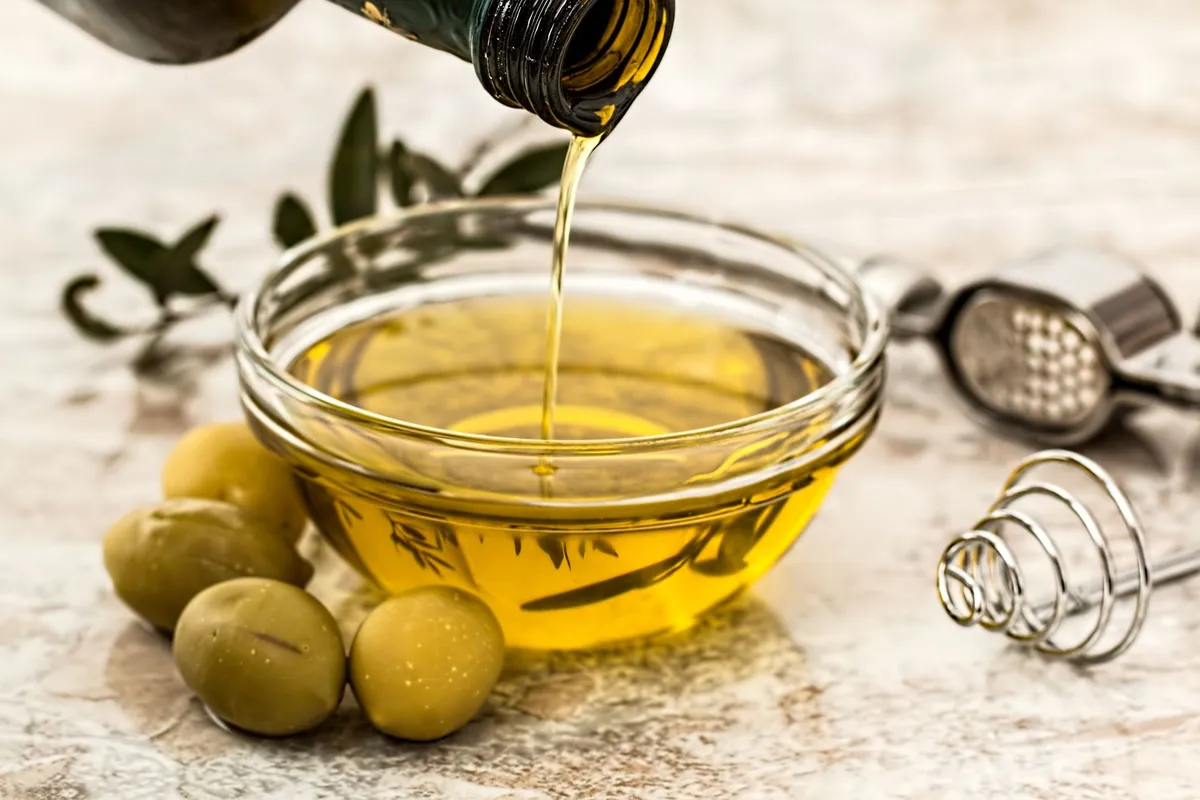
After a brief lull, olive oil prices on the European market could once again head upward. Producer warnings come after extreme weather conditions, including devastating wildfires and prolonged drought, have ravaged olive groves and other crops across southern Europe. The reduced supply is expected to push prices up, which will directly impact the Croatian market.
Greece is battling major wildfires for the second week, leaving a trail of devastation. The area of Porto Germeno, west of Athens, woke up on Tuesday, August 4, 2026, to scenes of burned homes and scorched cars after the firestorm swept through the region. Hundreds of firefighters remain on the ground, with strong winds and dry conditions hampering efforts.
The human toll is high. At least five people have lost their lives in the fires over the past two weeks. Frustration among locals is growing, with former mayor of Villia, Konstantinos Makrynoris, describing the past days as "absolutely unacceptable," as reported by Euronews.
The impact on agriculture is catastrophic. Olive groves have burned in Greece, Italy, and Portugal. Even on plantations that escaped the direct hit of the fire, ash, poor air quality, pests, and diseases are causing additional damage. High temperatures also negatively affect fruit size, which will further reduce yields.
Spain, as Europe's largest olive oil producer, has so far experienced somewhat milder temperatures, but trees are affected by drought. This can cause premature fruit drop, which will also impact final quantities. Industry representatives warn that the combination of fruit loss and earlier harvest could significantly affect the amount of olive oil produced and market prices over the coming year.
It's not just olives that are under threat. The French association of vegetable producers estimates that thousands of tons of lettuce, carrots, leeks, garlic, and shallots have been lost. The value of these lost products climbs to tens of millions of euros, and production of some crops could be halved due to lack of rain.
The heat has also slowed the growth of grapes in renowned French wine regions, including Champagne, Bordeaux, and Burgundy. In Champagne, the earliest harvest on record is expected, likely around August 15, with yields potentially about ten percent lower than last year.