Life Sentence for Afghan Man in Munich
The court determined the 25-year-old's guilt to be of particular severity, making early release after 15 years significantly more difficult.
The court determined the 25-year-old's guilt to be of particular severity, making early release after 15 years significantly more difficult.
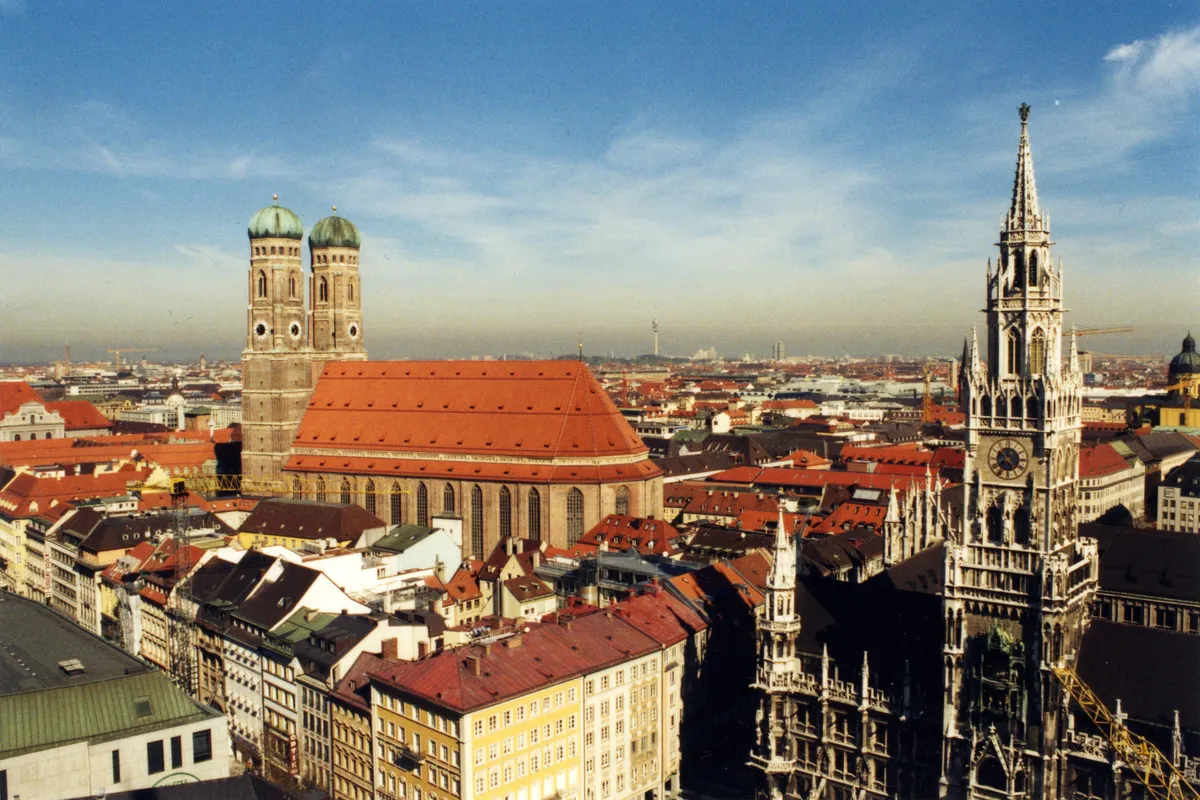
The Higher Regional Court in Munich on Thursday sentenced 25-year-old Afghan national Farhad N. to life imprisonment for the deadly car attack on a demonstration procession organized by the ver.di union. The court also found that the severity of his guilt was particularly high, which significantly complicates the possibility of parole after serving 15 years, as reported by Tagesschau.
According to the court's findings, Farhad N. deliberately drove his car into the rear of the demonstration procession last year. The presiding judge, Michael Höhne, described the scene of the crime as a "unique field of rubble" ("ein einziges Trümmerfeld") measuring twelve meters wide and 23 meters long. The attack killed a two-year-old girl and her mother, and dozens of people were injured.
Farhad N. was found guilty of two counts of murder, 23 counts of attempted murder, and 22 counts of causing bodily harm, 19 of which are classified as grievous bodily harm. The court fully accepted the Federal Prosecutor's Office's request for the maximum penalty, while the defense had sought a 15-year prison sentence and placement in a psychiatric facility.
In delivering the verdict, Judge Höhne emphasized that the defendant, originally from Afghanistan, acted in response to the situation in Islamic countries and wanted to attack and kill randomly selected people in Germany. "In doing so, the defendant wanted to commit a deed pleasing to God and prove himself before Allah, himself, and his family as a good Muslim," Tagesschau quotes Judge Höhne as saying.
The attack occurred last year during a union gathering in Munich and sparked strong reactions across Germany. Although the case has no direct connection to Croatia, such events regularly fuel debates about security and integration across the European Union, including in Croatia.