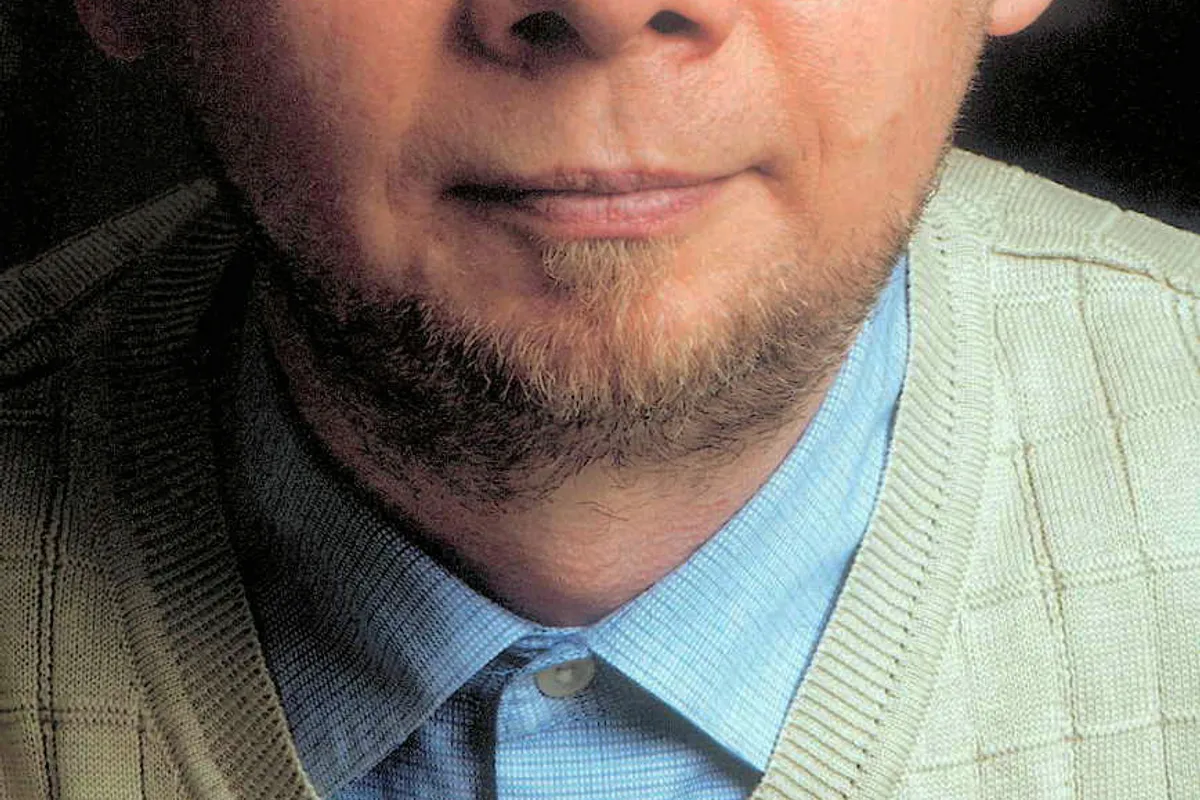
Eckhart Tolle, a German writer and spiritual teacher, is one of the most widely read authors in the field of personal development and contemporary spirituality. His book 'The Power of Now' promotes the idea that the present moment is the only real moment that exists, and that focusing on the past or future can be a source of psychological suffering. Tolle's ideas, as reported by the Argentine newspaper La Nación, continue to attract readers around the world.
The Mind Trapped Between Past and Future
According to Tolle, the human mind tends to remain trapped between memories of the past and worries about the future. This dynamic, as the author explains, feeds suffering and makes it difficult to experience life fully. In one of the most famous passages of the book, Tolle writes:
'The present moment is all you have.'
His message is that conscious recognition of this idea can change one's relationship to pain, anxiety, and everyday conflicts.
Past and Future as Guests, Not Home
Tolle does not deny that the past and future have their place in life. However, he suggests visiting them only when necessary for solving concrete, practical matters. His recommendation is to 'establish a dwelling in the Now', while the past and future remain merely occasional guests, not the space where one builds a personal identity. According to the author, turning time into a place where our identity resides is one of the fundamental causes of psychological suffering.
Inner Resistance to Reality
One of the central concepts of the book is inner resistance to what is happening right now. Tolle argues that when a person refuses to accept what already exists, they create an additional conflict that intensifies suffering. He calls for saying 'yes' to the present moment, not as an act of resignation, but as a conscious acceptance of what already is. From this perspective, resisting reality is equivalent to resisting life itself, because life always unfolds in the present.
Acceptance Does Not Mean Approval
Tolle is also clear in the book about unpleasant moments. As he himself writes:
'The present moment is sometimes unacceptable, unpleasant, or awful.'
Yet, the author distinguishes between the pain that a situation may cause and the additional suffering that arises when we mentally reject that reality. Accepting the moment, Tolle emphasizes, does not mean approving of what is happening nor giving up on change, but rather stopping the waste of energy on fighting what already exists, before deciding how to act.
Connection with Mental Health
Tolle's ideas resonate with certain currents of modern psychology, especially those that emphasize awareness, namely the so-called mindfulness approach. Mental health experts warn that Tolle's works should not be seen as a replacement for professional psychological or psychiatric help, but as one possible tool for personal development. People struggling with anxiety, depression, or other difficulties should consult a doctor or a mental health professional.
Spirituality or Practical Philosophy?
The question of whether Tolle's approach is spirituality, philosophy, or something else remains open. The author himself describes himself as a spiritual teacher, and his book does not belong to any specific religious tradition. For decades, he has attracted readers from different cultural and religious backgrounds precisely because of this universal approach. Regardless of how it is categorized, his core message remains simple: the present moment is the only place where life truly unfolds, and on that, according to Tolle, it is worth building a daily practice.