Europe Sizzles: Wildfire Damage Reaches $22 Billion
Unprecedented heatwave wreaks havoc across the continent, prompting authorities to take extraordinary measures from turning off lights to sinking barges.
Unprecedented heatwave wreaks havoc across the continent, prompting authorities to take extraordinary measures from turning off lights to sinking barges.
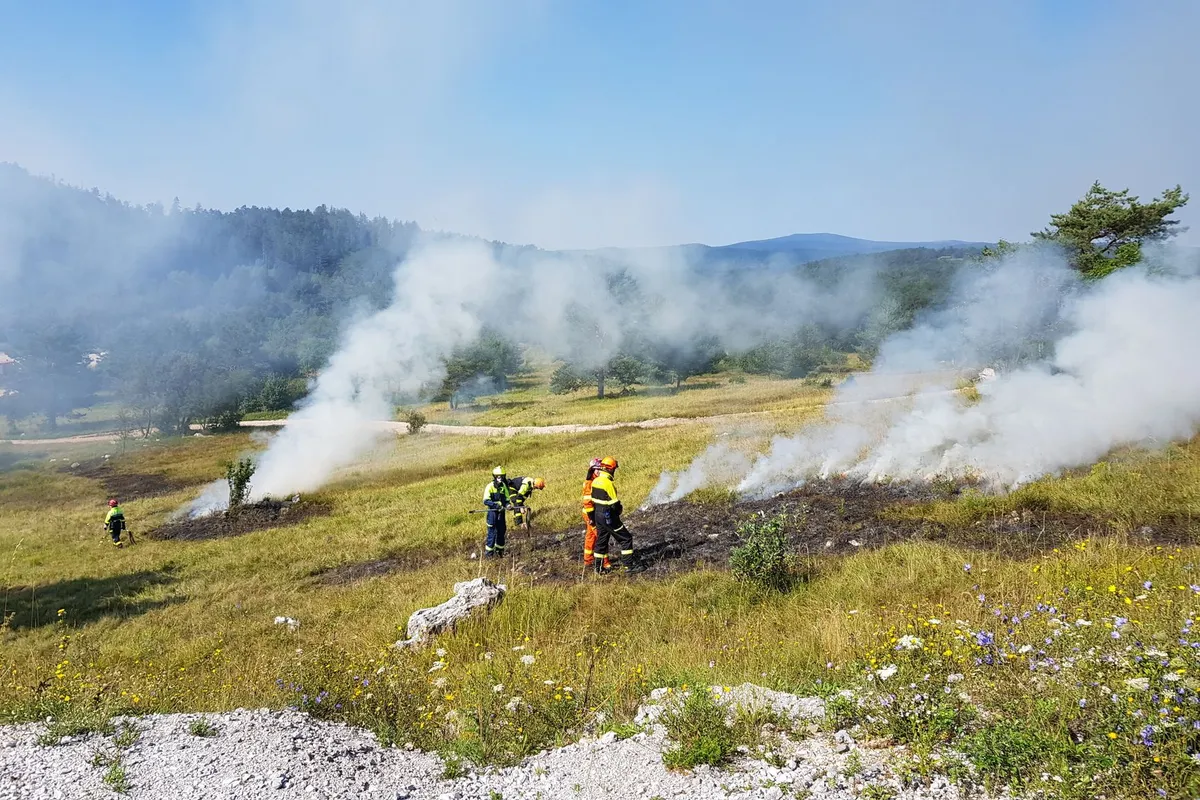
Europe, the fastest-warming continent in the world, is facing the devastating consequences of record-breaking heat this summer. Wildfires, fueled by extreme drought, have consumed more than half a million hectares, with total damages estimated at up to $22 billion, according to Anadolu Agency. Meanwhile, expert estimates cited by Telegram.hr put the economic toll from this year's fires at over €15 billion.
On August 6, 2026, Italy took an unprecedented step by declaring the highest level of health alert for all its major cities. The red alert, signaling a potential health emergency, covers areas from Palermo in Sicily to Bolzano in the mountainous north. In the northern region of Emilia-Romagna, temperatures have exceeded 40°C, with Bagnacavallo, near Ravenna, recording a scorching 42.8°C.
The heat spares no one. Pilgrims in Assisi, gathered for Pope Leo's visit marking the 800th anniversary of Saint Francis's death, were sprayed with water to cool down under the blazing sun. Tourists in Rome seek relief by cooling their hands in city fountains and shielding themselves with umbrellas.
Strained energy systems are forcing governments to take drastic measures. On the night of August 6, Hungary switched off all decorative and non-essential lighting on state buildings, including the parliament, most of Buda Castle, and the Chain Bridge. Record-low water levels in the Danube have forced the country to almost completely shut down its only nuclear power plant, which relies on the river for cooling.
Neighboring Romania faces a similar situation, with authorities preparing to sink four barges filled with stones into the Danube. The goal is to redirect water toward the country's only operational nuclear reactor, buying it a few more days of operation. In Bucharest, street lighting intensity has been reduced by a third, and lights on landmark buildings and museums are turned off at night. Low water levels are also disrupting shipping on the Rhine in Germany, one of Europe's most important routes for transporting grain, coal, and oil products, where vessels can only sail partially loaded.
While much of Europe battles the heat, tourists in southern Bosnia and Herzegovina are finding an unusual refuge. Vjetrenica Cave, about 25 kilometers from Dubrovnik and a UNESCO World Heritage Site, offers a constant temperature of 11°C. This natural refrigerator, home to rich biodiversity, is now a lifesaver for visitors fleeing outside temperatures that reach 40°C. However, entry numbers are limited to protect the delicate ecosystem.
The European Union plans to encourage member states to allocate more funds for wildfire risk reduction measures, the European Commissioner for Environment told Reuters. France and Spain have been particularly hard hit by the fires in recent weeks.