The Thompson Phenomenon: More Than Music
From 'Bojna Čavoglave' to sold-out arenas, Marko Perković's career has shaped public discourse for decades, raising questions about identity, freedom of expression, and the limits of art.
From 'Bojna Čavoglave' to sold-out arenas, Marko Perković's career has shaped public discourse for decades, raising questions about identity, freedom of expression, and the limits of art.
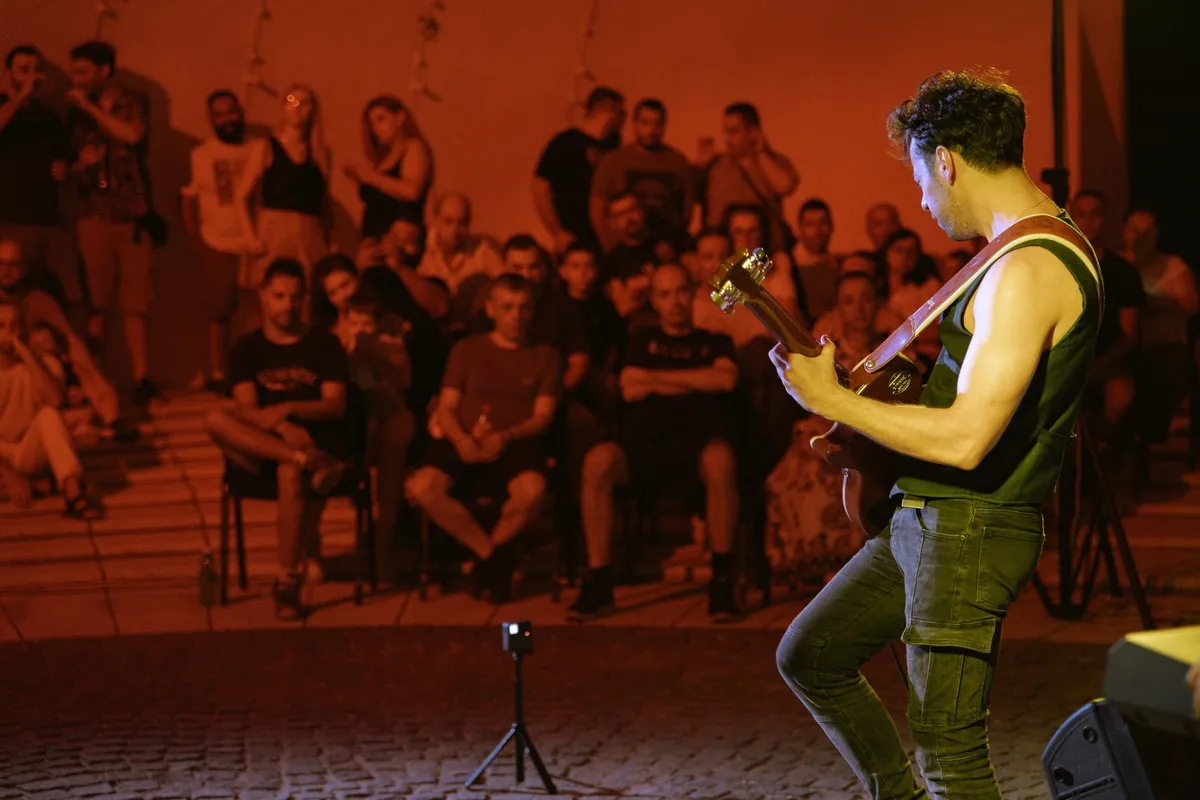
The career of Marko Perković Thompson, born on October 27, 1966, in Čavoglave, is inseparable from contemporary Croatian history and continues to polarize the public. His rise began in 1991 with the song 'Bojna Čavoglave,' which became a symbol of resistance and patriotism during the Homeland War. Since then, he has grown into one of the country's most commercially successful musicians, whose concerts draw tens of thousands of people, while simultaneously sparking heated reactions and protests across Europe.
Thompson's oeuvre is deeply rooted in patriotic and religious themes, but his career has also been marked by serious accusations. Critics accuse him of promoting Ustaše ideology and intolerance, particularly pointing to the song 'Jasenovac i Gradiška Stara.' He has been convicted for inciting hatred, but those verdicts were later overturned or amended. These legal episodes have further cemented his status as a controversial figure whose actions transcend the music industry.
His performances often become political events. While right-wing parties, including the HDZ and HSP, have frequently publicly supported him, left-wing and anti-fascist circles see him as a symbol of intolerance. This division has international repercussions, Thompson has had concerts banned in several countries, including Austria, Germany, and Switzerland, due to security assessments and allegations of glorifying fascist regimes. In Croatia, his performances, such as those in Split and Zagreb, are regularly met with both massive enthusiasm and sharp condemnation from parts of the public and politicians.
The phenomenon of Marko Perković Thompson raises key questions about the state of democracy and freedom of speech in Croatia. His unquestionable popularity, despite decades of controversy, reflects deep divisions in a society still grappling with the interpretation of its own history. While some view him as an authentic voice of the people and defenders, others consider him an obstacle to reconciliation and the building of a modern civic state. His persona and work thus remain a persistent stumbling block and an unavoidable topic in any serious discussion about Croatian identity.