Grgić o Krškom: postoji potencijalni problem
Prof. dr. sc. Davor Grgić pojašnjava zašto je NE Krško preventivno smanjila snagu i kakve to posljedice ima na stabilnost elektroenergetske mreže u regiji.
Prof. dr. sc. Davor Grgić pojašnjava zašto je NE Krško preventivno smanjila snagu i kakve to posljedice ima na stabilnost elektroenergetske mreže u regiji.
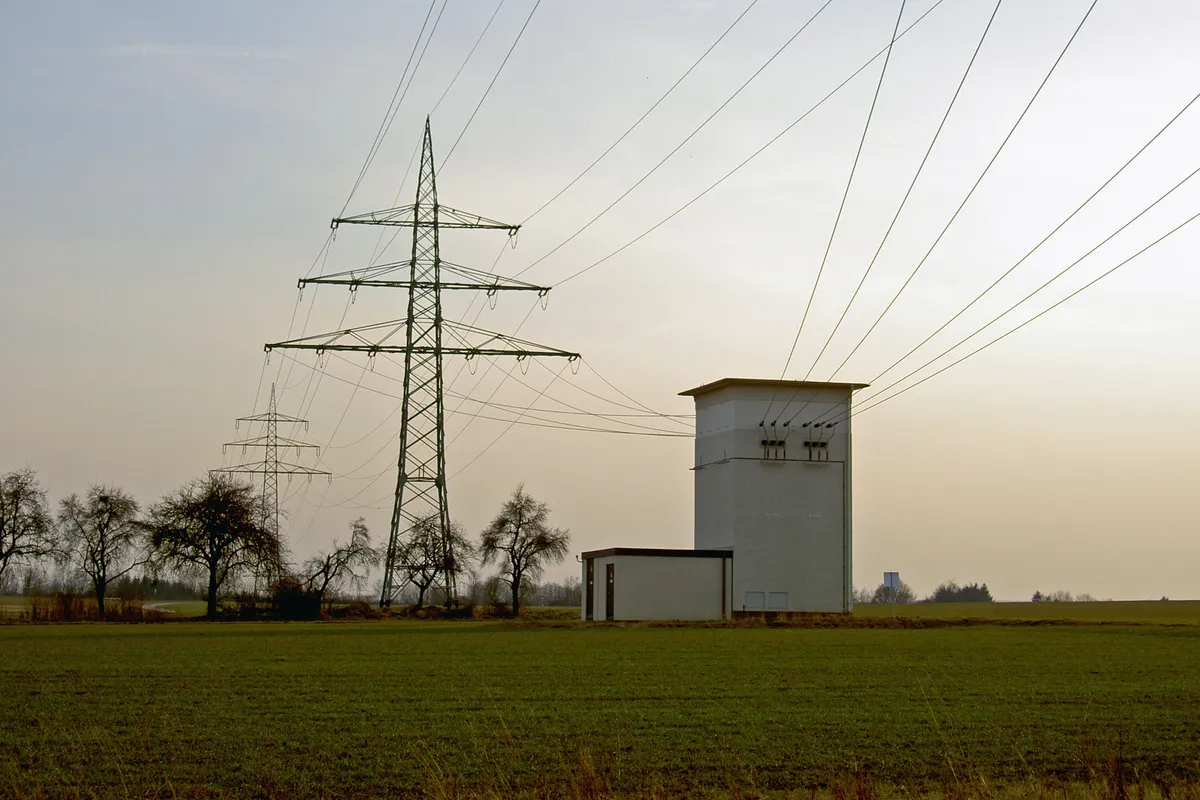
Nuklearna elektrana Krško preventivno je smanjila razinu snage zbog izrazito niskog vodostaja rijeke Save, no prema riječima stručnjaka, situacija još uvijek nije alarmantna. Ipak, naglašava se da ovakvi uvjeti donose specifične izazove za cijeli elektroenergetski sustav, uključujući i hrvatski.
Prof. dr. sc. Davor Grgić sa Zavoda za visoki napon i energetiku Fakulteta elektrotehnike i računarstva za Večernji list pojasnio je tehničku pozadinu odluke. "Činjenica je da je trenutno protok rijeke Save dosta nizak, negdje oko 42 kubika u sekundi, a kad on padne ispod 100 kubika onda se dijelom hlađenje sustava prebacuje na rashladne tornjeve", izjavio je.
Iako je smanjenje snage preventivna mjera, prof. Grgić ističe da se time otvara drugi problem. Zbog suše iz pogona ispadaju hidroelektrane, što dovodi do pada napona u mreži. U takvim okolnostima, upravo NE Krško preuzima ključnu ulogu jedinog aktivnog regulatora napona u sustavu.
Poseban izazov, objašnjava Grgić, nastaje noću. "U situacijama posebno po noći kada su vodovi neopterećeni napon ode iznad dopuštenih razina za 400 kV mrežu i to je jedan od potencijalnih problema za rad elektroenergetskog sustava", upozorio je.
Da bi se održala stabilnost, ključno je držati frekvenciju i napon unutar strogo propisanih granica. Profesor je podsjetio na događaj od prije godinu dana kada je napon na sabirnicama u NE Krško dosegnuo 431 kV, što je znatno iznad gornje dopuštene razine od 420 kV. "Povišeni napon ugrožava opremu rasklopnih postrojenja i može uvjetovati neplanirane ispade", dodao je.
Tada je elektrana radila normalno i kompenzirala oko 260 MVA reaktivne snage u mreži, jer nije bilo hidroloških problema. "Za očekivati je da je i sada uloga NE Krško u radu sustava slična", procjenjuje Grgić.
Slovenska vlada donijela je odluku kojom se NE Krško dopušta smanjenje snage koliko je potrebno uz poštivanje sigurnosnih pravila, ali uz uvjet da ostane u pogonu na barem 50 posto snage. Prof. Grgić smiruje javnost naglašavajući da se još ne radi o toliko ozbiljnoj situaciji kakav se dojam možda stvorio.
Ipak, ne isključuje ni najgori scenarij, raspad mreže do kojeg dolazi ako napon previše poraste ili stabilnost bude narušena. "To ne znači da će se to dogoditi, nego jednostavno Slovenci razmišljaju i o tome", rekao je, podsjetivši na prošlogodišnji raspad elektroenergetske mreže u Španjolskoj i Portugalu.