Grgić on Krško: There Is a Potential Problem
Prof. Dr. Davor Grgić explains why the Krško nuclear power plant has proactively reduced its output and what consequences this has for the stability of the regional power grid.
Prof. Dr. Davor Grgić explains why the Krško nuclear power plant has proactively reduced its output and what consequences this has for the stability of the regional power grid.
The Krško nuclear power plant has proactively reduced its power output due to the extremely low water level of the Sava River, but according to experts, the situation is not yet alarming. However, it is emphasized that such conditions bring specific challenges for the entire power system, including Croatia's.
Prof. Dr. Davor Grgić from the Department of High Voltage and Energy at the Faculty of Electrical Engineering and Computing explained the technical background of the decision to Večernji list. "The fact is that the current flow of the Sava River is quite low, around 42 cubic meters per second, and when it drops below 100 cubic meters, part of the cooling system is switched to cooling towers," he stated.
Although the power reduction is a preventive measure, Prof. Grgić points out that this opens up another problem. Due to the drought, hydroelectric plants are going offline, leading to voltage drops in the grid. In such circumstances, the Krško nuclear plant takes on the key role as the only active voltage regulator in the system.
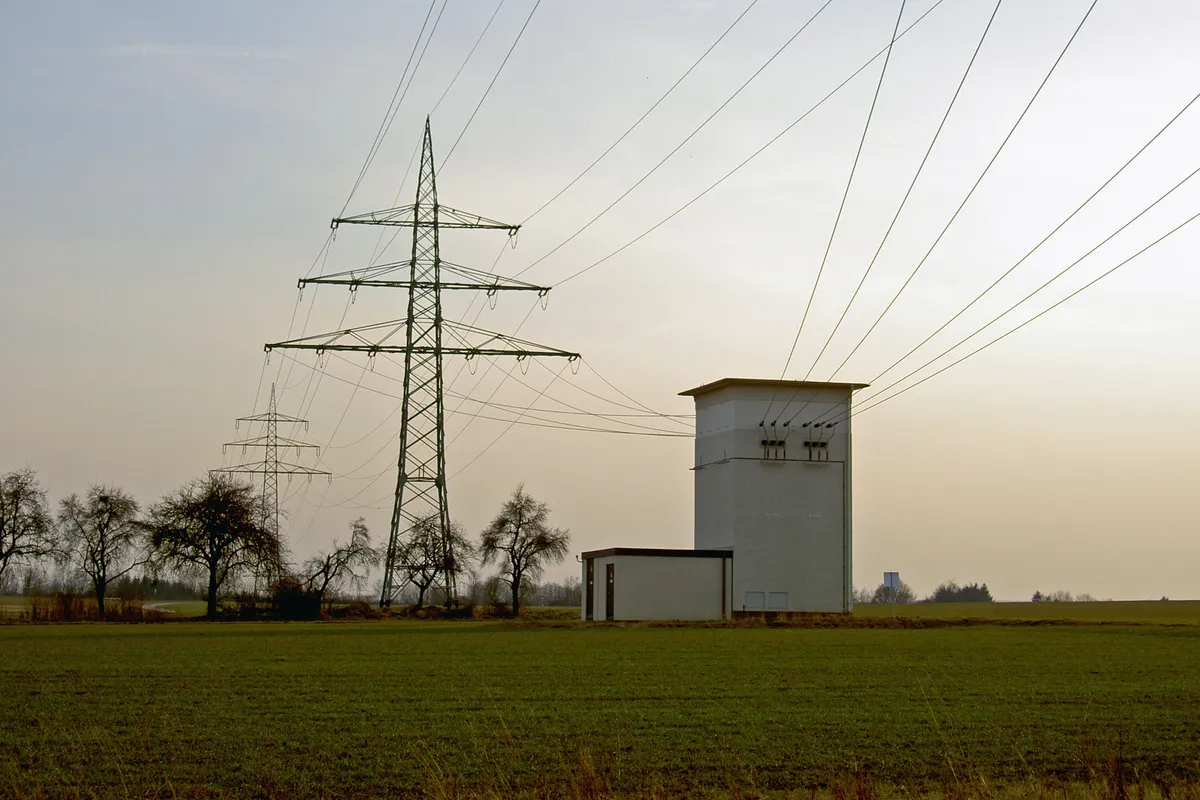
A particular challenge, Grgić explains, arises at night. "In situations, especially at night when the lines are unloaded, the voltage goes above the permissible levels for the 400 kV grid, and that is one of the potential problems for the operation of the power system," he warned.
To maintain stability, it is crucial to keep frequency and voltage within strictly prescribed limits. The professor recalled an event a year ago when the voltage on the busbars at the Krško plant reached 431 kV, significantly above the upper permissible level of 420 kV. "Elevated voltage endangers the equipment of switchyards and can lead to unplanned outages," he added.
At that time, the plant was operating normally and compensating about 260 MVA of reactive power into the grid, as there were no hydrological issues. "It is to be expected that the role of the Krško plant in the system's operation is similar now," Grgić estimates.
The Slovenian government has made a decision allowing the Krško plant to reduce its output as needed while adhering to safety rules, but with the condition that it remains in operation at at least 50 percent of its capacity. Prof. Grgić reassures the public, emphasizing that the situation is not yet as serious as the impression might have been created.
However, he does not rule out the worst-case scenario, a grid collapse that occurs if the voltage rises too much or stability is compromised. "That does not mean it will happen; it's simply that the Slovenians are thinking about it as well," he said, recalling last year's collapse of the power grid in Spain and Portugal.