Habijan: Pavlek in Pre-trial Detention, Extradition Up to Kazakhstan
Justice Minister Damir Habijan spoke to N1's New Day about Vedran Pavlek's extradition, Željko Kerum's release, and the state of the Croatian judiciary.
Justice Minister Damir Habijan spoke to N1's New Day about Vedran Pavlek's extradition, Željko Kerum's release, and the state of the Croatian judiciary.
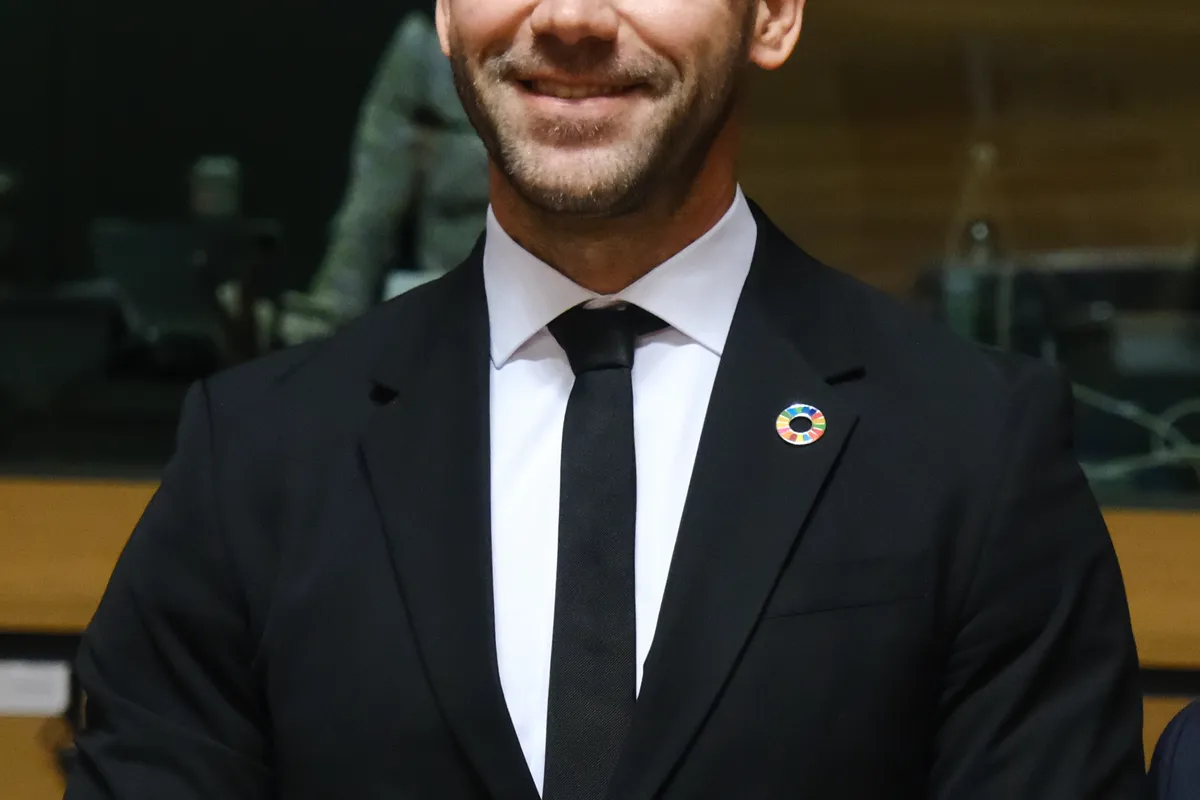
Justice Minister Damir Habijan said on Friday that Vedran Pavlek is in pre-trial detention in Kazakhstan and that the Kazakh authorities will decide on his extradition to Croatia. "I cannot say when he can be expected in Croatia because that is a decision for their bodies. In this situation, the Ministry of Justice is an intermediary. Everything that was required has been delivered to the Kazakh authorities," Habijan said on N1 television's New Day show.
According to Habijan, the extradition procedure is now at the stage where the first-instance decision is made by Kazakhstan's chief state prosecutor. If the decision is positive, Pavlek has the right to appeal, and the final word will be with Kazakhstan's Supreme Court. The minister could not estimate how long the entire process would take, stressing that it does not depend on Croatia. "For the transparency of the judiciary, it is important that he is here and that he answers for what he is suspected of," he said.
Meanwhile, former Split mayor Željko Kerum was released after spending one night in a detention unit. USKOK stated in its announcement that it would seek pre-trial detention only for Igor Sapunar, Kerum's nephew and a responsible person of a company linked to the restaurant "Pršut" in Kaštela. A third suspect, Andrija Polić, is also defending himself from release. Kerum was questioned last night before a USKOK prosecutor in Split and denied guilt for inciting abuse of position and authority. His attorney, Željko Gulišija, confirmed that his client had left custody and said he had expected such a decision given the state of the case file. Commenting on the case, Habijan stated that "no one should be untouchable, regardless of whether someone is a member of any political party or a high-ranking official."
Reflecting on the general perception of the Croatian judiciary, Habijan admitted that high-profile cases are often under the public microscope and last too long, which "is not justice for society or for the individual." He added that, as a lawyer, he had himself used procedural options to prolong proceedings, and that the Ministry is now analyzing legal provisions that could be changed to increase efficiency. "Looking at last year, citizens' trust has improved slightly, but that does not satisfy me as minister. What is particularly interesting is that 60 percent of citizens with a negative perception of the judiciary have had no contact with it. They formed their image somewhere else," the minister said, emphasizing the need to attract new, high-quality staff because there will soon be a shortage of judges.
Habijan also criticized constant praise for the European Public Prosecutor's Office (EPPO) at the expense of domestic institutions, saying that the people working there are the same ones who worked at USKOK. "They are not foreigners. I dislike the distinction we make that EPPO does an excellent job while DORH and USKOK do not. We should not create such an impression," he said. In his opinion, Chief State Prosecutor Ivan Turudić is doing a good job, and DORH operates objectively, independently, and without political influence. Finally, he revealed that he met with the new president of the Supreme Court, Mirta Matić, and that they discussed all topics concerning the judicial branch. He described the cooperation as constructive and expressed confidence that her oversight of court operations would "bear fruit."