Croatia Plans Geothermal Power Plants at Six Fields, Most Advanced Projects in Slatina and Legrad
Geothermal water research is being conducted at 23 sites, with exploitation at 13 fields, according to data from the Ministry of Economy.
Geothermal water research is being conducted at 23 sites, with exploitation at 13 fields, according to data from the Ministry of Economy.
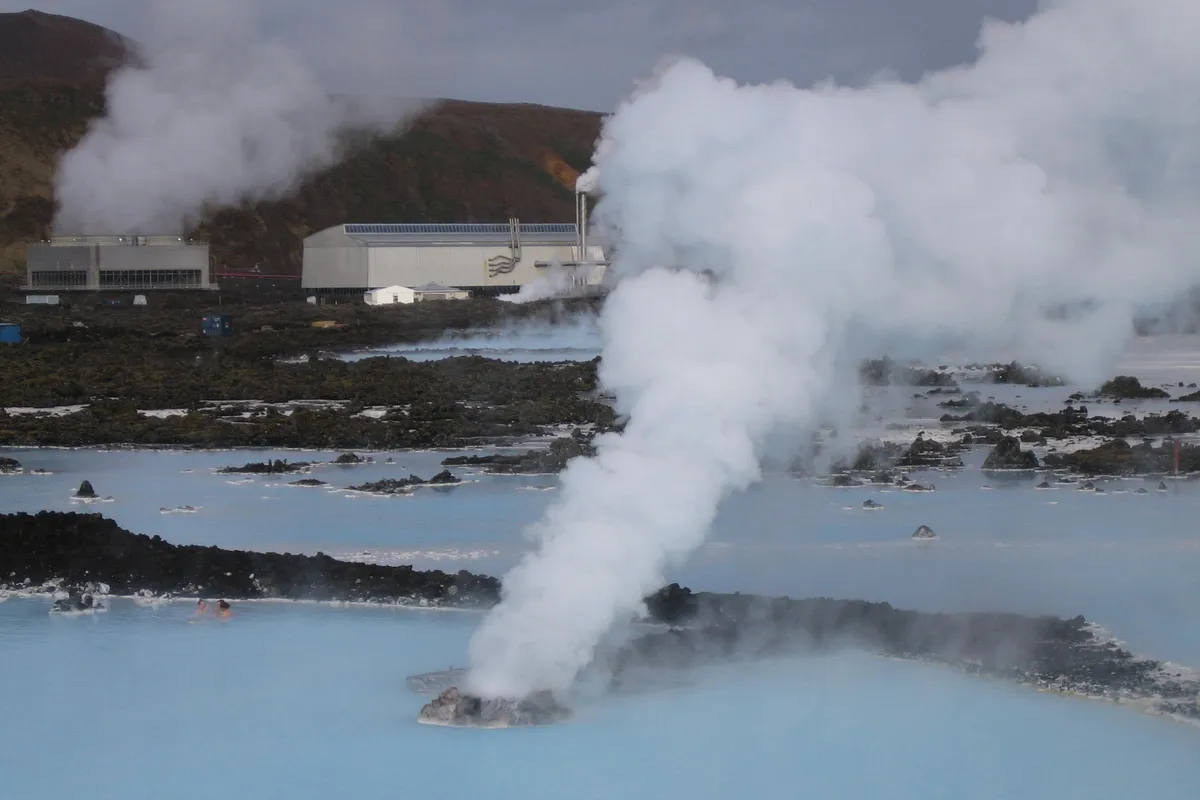
According to data from the Ministry of Economy, Croatia is intensively developing its geothermal sector. Currently, exploration activities are underway at 23 geothermal water exploration areas, while commercial exploitation is taking place at 13 fields. Electricity production is planned at six of these exploitation fields, and thermal energy for heating and agriculture at the remaining seven, as reported by Novi list, citing the Ministry's response to Hina.
Geothermal projects in the country are at various stages of development, but two projects for electricity production have progressed the furthest. These are the projects being developed by ENNA Group at the Slatina 2 exploitation field and the Turkish company Soyak at the Legrad 1 field. Both have completed the key exploration phase and are now entering the preparation for the construction of production facilities.
The Ministry of Economy has recently prepared a draft decision allowing Terra Energy Generation Company, owned by Soyak, to continue the project development in Legrad. The plan includes drilling a new production well, LEGRAD GT-4, which will reach a depth of nearly four kilometers. The well will be located at the Legrad 1 geothermal field, where a 98-megawatt power plant is expected to be built in the foreseeable future.
The Mayor of Legrad Municipality, Ivan Sabolić, confirmed to Hina that the investor is preparing the necessary documentation for obtaining a location permit, marking a more concrete phase of project implementation.
In addition to electricity production, significant progress has been made in using geothermal energy for district heating. Through a project by the Hydrocarbon Agency, funded by the National Recovery and Resilience Plan, geothermal potential for the development of district heating systems has been confirmed at locations in Velika Gorica, Osijek, Vinkovci, and Zaprešić. The next phase, which includes the development of production-injection systems, is currently in preparation.
Interest in geothermal energy is continuously growing among local government units. Among others, Bjelovar, Križevci, Lipik, Kutina, Slavonski Brod, Vukovar, and Dugo Selo are developing their own geothermal projects. The Ministry of Economy states that it will continue to support these projects through national and European funding sources, as well as provide expert and institutional support to investors and local communities.
Thanks to the geological characteristics of the Pannonian Basin, Croatia possesses significant geothermal potential. Its utilization plays an important role in strengthening energy security, reducing dependence on energy imports, and achieving decarbonization goals, concludes the statement from the ministry.