While the situation in the Black Sea basin is dramatic, with the Danube so depleted that sunken Nazi shipwrecks and mammoth bones have surfaced, the situation on Međimurje's rivers is considerably calmer. Croatian Waters reports there is no cause for alarm and no problems with public water supply are expected in this part of the country.
Contrasting Pictures: Danube in Crisis, Mura and Drava Under Control
The drought affecting much of Europe has hit the Danube basin particularly hard. Hungary's Paks nuclear power plant was forced to halt operations because it could not secure enough water for reactor cooling. Meanwhile, the Romanian army is mining rocks in the riverbed to redirect the flow toward the Cernavodă nuclear plant. In Croatia, however, the picture is different.
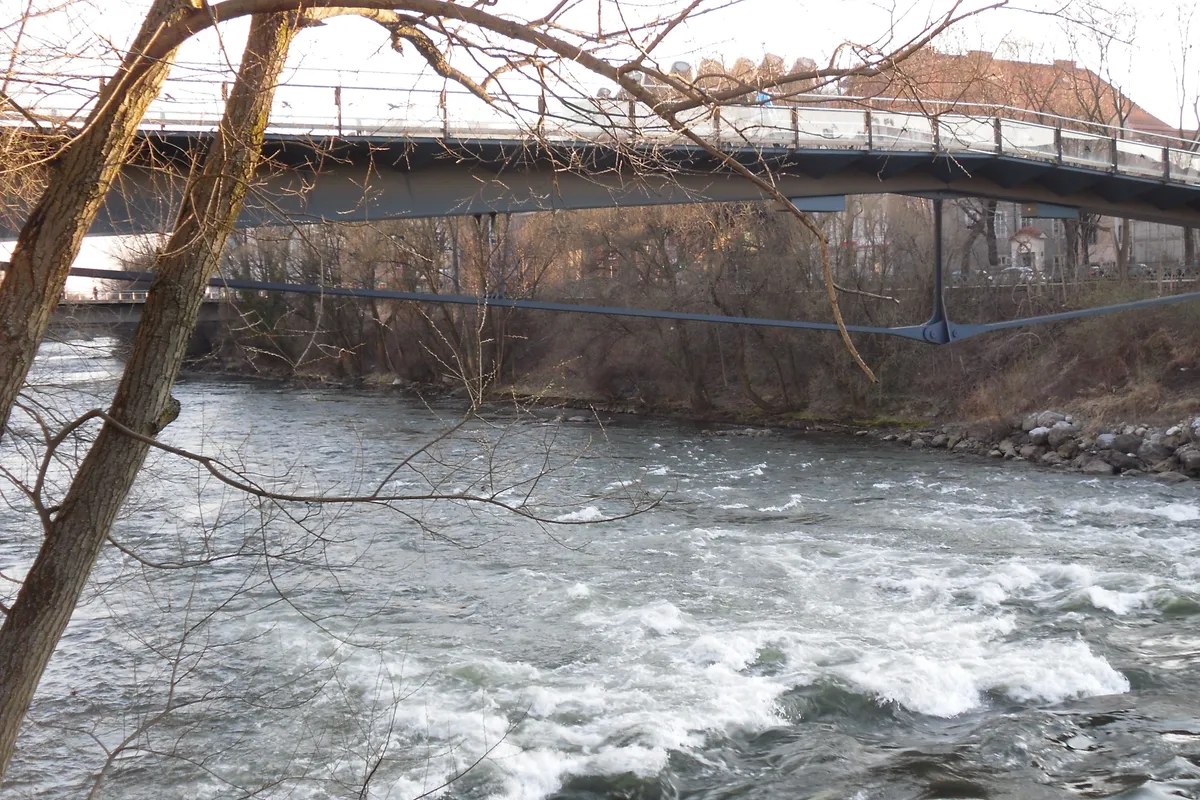
Milan Rezo, director of the Water Management Department for the Mura and Upper Drava at Croatian Waters, described the current situation for eMeđimurje. "The current water level on the Drava River at Botovo is -8 centimeters, noting that it fluctuates by about 50 centimeters over 24 hours, depending on hydroelectric plant activity," said Rezo. As a result, navigation on the stretch from the Dubrava hydropower plant to Podravske Sesvete is currently not possible.
Biological Minimum Ensured, Mura Stable
Despite the low water levels, Croatian Waters, in coordination with HEP, ensures the biological minimum in the old Drava riverbed daily. It amounts to 8+15 m³/s and is released during nighttime hours due to the operation of treatment plants. As for the Mura, data from August 3, 2026, show a water level of 134 centimeters at Mursko Središće and 82 centimeters at Goričan, with the water height being constant.
Ivica Mustač, head of the Water Management Outpost for the small catchment "Trnava," compared these figures with historical minimums. "From the above, it is evident that current water levels are low and are a consequence of a prolonged period without significant precipitation, but they are still noticeably above the historically lowest recorded values," stated Mustač. He reminded that the Mura at Mursko Središće fell to only 27 centimeters on December 10, 1978, while 30 centimeters was measured at Goričan on August 28, 2003.
Ordovan Without Measurements, Trnava Flowing
Regarding the third Međimurje river, the Ordovan, which forms at the tripoint from the confluence of Hungary's Kerka and Slovenia's Ledava, Croatian Waters does not conduct direct water level measurements. Mustač explains that conditions on these watercourses are well correlated with the Mura, so a similar hydrological situation can be expected. At the Trnava stream, at the Donji Hrašćan measuring station, 51 centimeters was measured, and a field inspection found no interruption in flow.
Water Supply Secure, Appeal for Caution with Wastewater
The key message for citizens comes from utility companies. "Based on information gathered from utility companies Varkom, Koprivničke vode, and Međimurske vode, regarding the assessment of potential risks in water supply from public water supply systems, their assessment is that there will be no problems with water supply," emphasized Rezo.
Zoran Đuroković, CEO of Croatian Waters, confirmed that a record was broken on the Drava, with levels dropping from -172 to -192 centimeters, likely near Osijek, and warned of pressure on flora and fauna due to extremely low water levels and high water temperatures. Still, he also reassured the public: "There will be no shortages on the continent, and the situation is, we just checked today, likely fine. The continent is in a much better position. There are groundwater reserves and large rivers."
Đuroković also appealed to all those managing wastewater treatment plants to operate as cautiously as possible because the rivers have low capacity and high temperatures, so any influx of pollution could trigger ecological incidents. He added that electricity production at hydropower plants on the Drava has been reduced and that, in cooperation with HEP, water usage is being coordinated to maintain balance and act responsibly toward nature.