Iran Issues Stern Warning to Its Neighbors
Tehran's diplomatic message puts Gulf states between a rock and a hard place, as Riyadh urges Washington to return to negotiations.
Tehran's diplomatic message puts Gulf states between a rock and a hard place, as Riyadh urges Washington to return to negotiations.
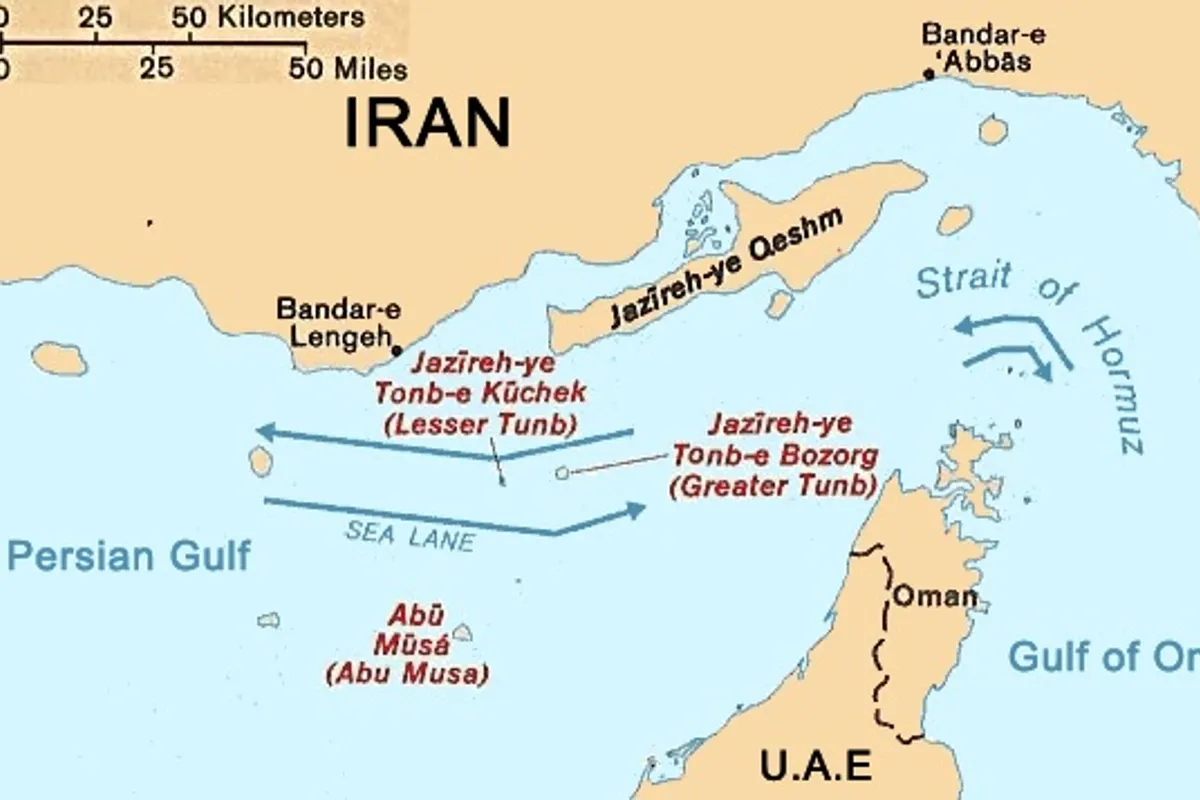
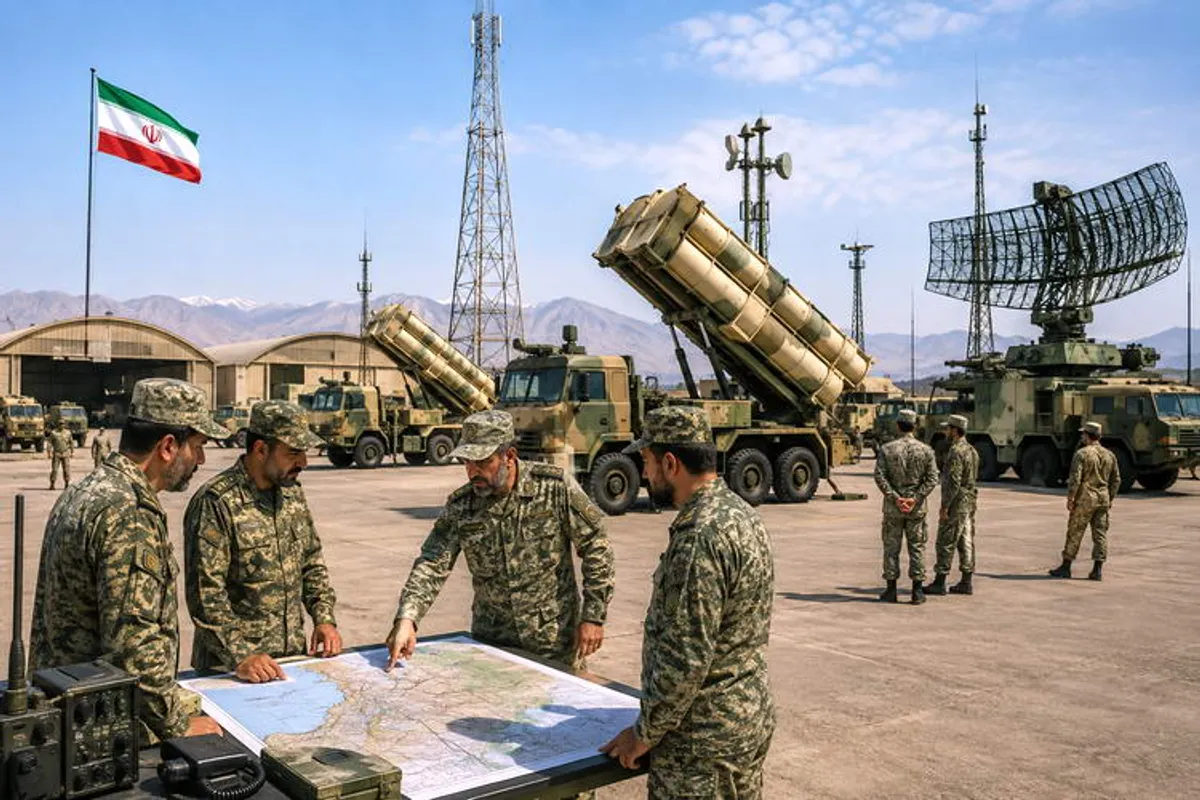
On Wednesday, August 6, 2026, Iran issued a stern warning to neighboring countries in the Persian Gulf region through its diplomatic network, stating that it is ready to retaliate against any new American attack. This message came as a direct response to threats from U.S. President Donald Trump, who on July 28, 2026, threatened to strike Iran's energy grid and infrastructure.
According to Reuters, citing multiple informed sources, Iranian Foreign Minister Abbas Araqchi personally conveyed Tehran's stance to U.S. allies in the Gulf. He asked them to use their influence on Washington to deter President Trump from launching new military actions.
In its warning, Iran made it clear that any new American attack on its territory would trigger an immediate and devastating response. The targets of Iran's retaliation would be critical energy infrastructure across the region, including energy facilities, refineries, power grids, water infrastructure, transportation networks, and oil fields.
However, the message from Tehran was not purely bellicose. According to sources, Minister Araqchi also emphasized the importance of the diplomatic path.
"We are ready to retaliate, but finding a diplomatic solution is the best way to avoid broader escalation and destruction across the entire region,"Reuters quoted the Iranian foreign minister as saying.
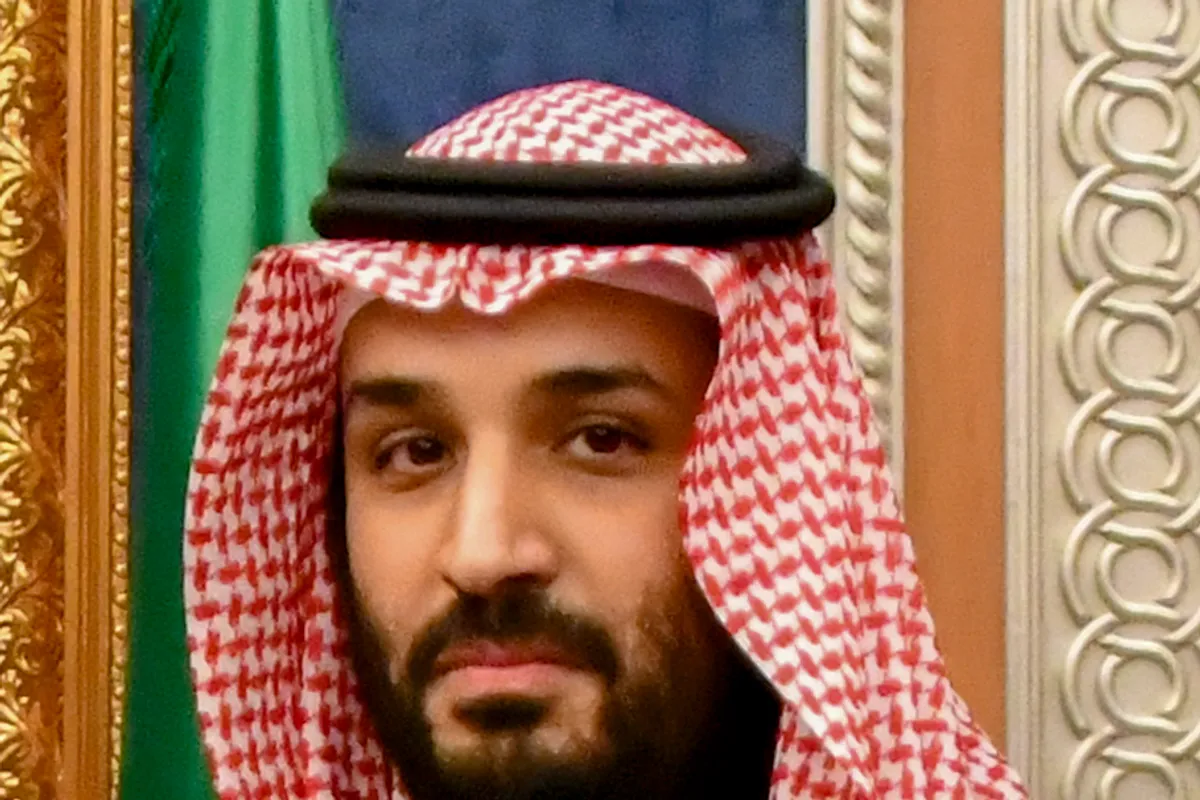
A Reuters source noted that this diplomatic maneuver represents Iran's attempt to create leverage against further American attacks, placing Gulf states in an extremely difficult position between Tehran and Washington. The seriousness of the situation is underscored by the reaction from Riyadh. Saudi Crown Prince Mohammed bin Salman immediately contacted President Trump and urged him to postpone the planned military action and return to the negotiating table.
Similar messages were sent to Washington from the capitals of Qatar and Oman, creating a unified diplomatic front aimed at de-escalation. However, according to sources, Saudi Arabia also sent an unequivocal warning that it would respond militarily to any attack on its own territory, making it clear that it would not be a silent observer in a potential conflict.
A senior Iranian official, whose name sources did not disclose, commented on the new situation, noting that the American president now faces two highly unpleasant choices. The first is an escalation of a conflict that could easily engulf the entire Persian Gulf region and severely disrupt global energy supplies. The second is accepting an agreed outcome that does not fully meet the demands Washington has set.
With its warning, Iran appears to have successfully raised the stakes in an already tense geopolitical game, forcing its neighbors to actively lobby for peace while simultaneously sending a message to the world about the potentially catastrophic consequences of a new military conflict.