Iran threatens attacks on energy fields of neighboring countries
Tensions escalate after Iranian drone strikes on Kuwait and US announcements of new strikes, as Tehran warns that an attack on its infrastructure would set the entire region ablaze.
Tensions escalate after Iranian drone strikes on Kuwait and US announcements of new strikes, as Tehran warns that an attack on its infrastructure would set the entire region ablaze.

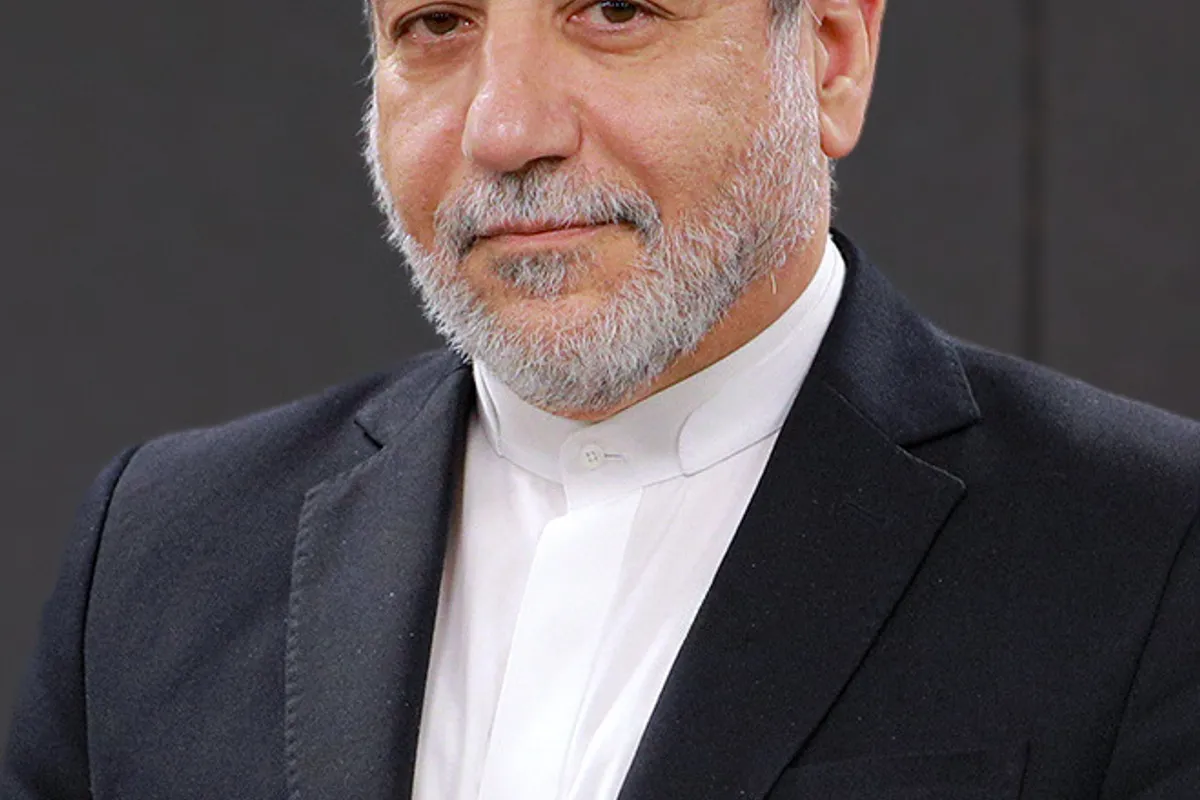
Iranian Foreign Minister Abbas Araqchi on Saturday warned the United States against any "adventurous action" and said Iran would respond decisively if US forces carry out President Donald Trump's threats of new strikes on Iranian targets. The warning comes just hours after Kuwait's military announced it had destroyed hostile drones launched by Iran at several vital installations in the country, reports the South China Morning Post.
In separate phone calls on Saturday with Pakistan's Chief of Army Staff, Field Marshal Asim Munir, and Turkish Foreign Minister Hakan Fidan, Araqchi said Iran would respond to any "aggression" and discussed the consequences of "destabilizing actions" by the US, according to posts on his Telegram account. Later, he told Saudi Foreign Minister Prince Faisal bin Farhan that any US or Israeli attack, or involvement of regional countries in such actions, would meet with a "proportionate response."
Meanwhile, Nournews, a media outlet linked to Iran's top security body, reported on Saturday that US strikes on Iranian energy infrastructure would prompt Iranian strikes on oil fields in Saudi Arabia and the United Arab Emirates, as well as gas fields in Qatar and Israel, threatening that "everything will be burned to ashes," according to the Globe and Mail.
Kuwait's Foreign Ministry on Saturday confirmed "continued aggression" by Iran after a drone strike hit "vital installations." The ministry called the attacks a "flagrant violation" of Kuwait's sovereignty that reveal "a determination to persist in a hostile approach," adding that the country reserves the right "to take all necessary measures" to protect its security and resources, according to ZeroHedge. A government facility in northern Kuwait and civilian property on Bubiyan Island were hit on Saturday, with falling shrapnel causing material damage but no casualties, Kuwait's military reported.
The US State Department on Saturday reissued an urgent travel advisory for the entire Middle East region. "Americans in the region should consider leaving or be prepared to leave if escalation occurs," the State Department posted on X via the TravelGov account, adding that "Americans outside the Middle East should seriously reconsider travel to and through the region." The advisory also states that "Iran and Iran-backed groups may target other US interests abroad or locations associated with the United States and Americans worldwide."
At a cabinet meeting on Friday at Camp David, Trump said he believes US negotiators, including his son-in-law Jared Kushner, special envoy Steve Witkoff, and Secretary of State Marco Rubio, could still reach a deal with Iran. However, he also expressed a loss of confidence in the Iranians, saying, "They always want to talk, but they so often break their word," and added, "All they do is make me angry." Trump also announced he would "hit them," according to the Straits Times.
Oil prices have remained elevated since US and Israeli forces began the war with strikes on Iran on February 28. Brent crude futures rose 24 percent in July, and analysts polled by Reuters expect further price increases by the end of the year. The risk of Iranian attacks has deterred most shipping traffic through the Strait of Hormuz, a key passage for global energy supplies, since the start of the conflict. Additional concern for the energy industry comes from Iran's allies, the Houthis in Yemen, who threaten the Bab el-Mandeb Strait at the other end of the Red Sea.
The UK Maritime Trade Operations reported on Saturday that it had received reports of two maritime incidents off the coast of Oman, including one in which a tanker was hit by an unknown projectile that damaged the engine room, and another in which a tanker captain saw a large splash and an explosion near the vessel, although no damage was reported. The Wall Street Journal reports that some US officials believe Iran will continue to drag out negotiations, betting that Trump will eventually abandon the war effort in the face of growing domestic political opposition.