Iran Threatens Strike on Gulf Energy Infrastructure
Tehran has issued an ultimatum to its Arab neighbors, demanding they deter the US from further attacks or face devastating consequences for oil and gas facilities.
Tehran has issued an ultimatum to its Arab neighbors, demanding they deter the US from further attacks or face devastating consequences for oil and gas facilities.
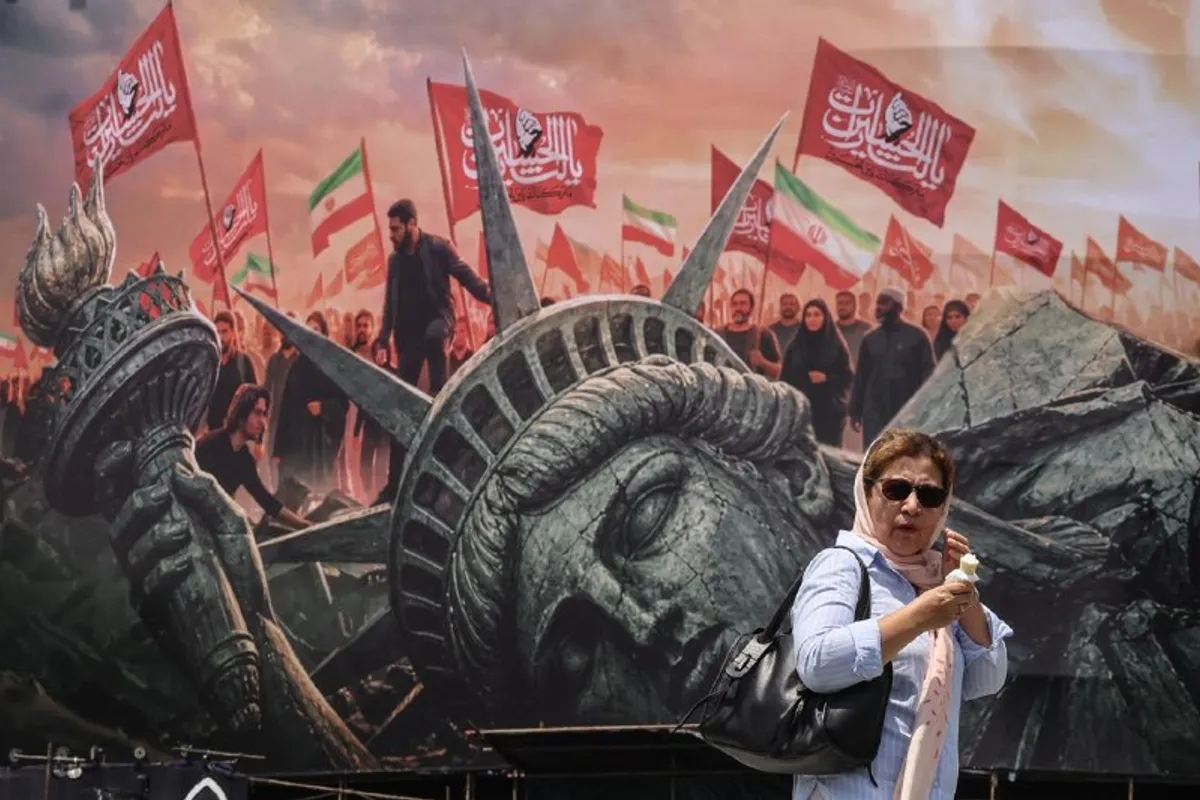
Iran has issued a stark ultimatum to its Arab neighbors, warning that regional oil, energy, and water infrastructure will be directly attacked if Gulf governments fail to persuade US President Donald Trump to halt military strikes on Iran. This diplomatic offensive followed Washington's threat on July 28, 2026, to target Iranian energy grids.
According to information released by Clash Report, Iranian Foreign Minister Abbas Araqchi conveyed the threat during intense diplomatic exchanges with his counterparts in Saudi Arabia, Qatar, and Turkey, as well as with Pakistan's military leadership. The message explicitly identified refineries, power grids, transport hubs, and oil fields as potential targets.
"Iran's warning was unequivocal: if America attacks Iranian infrastructure, it will retaliate with strikes on Gulf energy facilities and other regional targets," a Gulf source confirmed to Clash Report.
Tehran's strategy aims to force Washington's closest regional allies to act as a diplomatic buffer. Following the warning, Saudi Crown Prince Mohammed bin Salman contacted Trump, advocating for a delay in military action and ceasefire negotiations. Arab capitals find themselves trapped in an increasingly deteriorating security environment, with Qatar, Oman, and Saudi Arabia collectively pressuring Washington to seek a diplomatic solution.
On August 2, 2026, Donald Trump signaled a conditional pause, stating he would cancel the planned strike if a deal were reached quickly. Nevertheless, underlying tensions remain unresolved. Regional diplomats note that Tehran, by combining threats of catastrophic economic disruption with an offer of de-escalation, seeks to secure a negotiating position.
"We are ready to retaliate, but finding a diplomatic solution is the best way to avoid broader escalation and destruction in the region," an envoy quoted Minister Araqchi as saying to Clash Report.
Iran maintains a firm stance on the regional security architecture, continuously demanding the expulsion of US military bases from the Gulf and an immediate halt to intelligence sharing between Arab states and Washington. Tehran claims that this regional cooperation facilitates US military operations.
To bolster the credibility of its threats, Iranian officials have reminded Gulf leaders of the drone and missile attacks in September 2019 that crippled Saudi Aramco facilities at Abqaiq and Khurais. Saudi Arabia has responded decisively to the intimidation, warning that any incursion into its sovereign territory would trigger a swift military response, even as it advocates for diplomatic channels.
The main obstacle to a sustainable solution remains political optics. Washington continues to seek a decisive outcome that would justify its military posture. A senior regional diplomat told Clash Report: "The United States wants something it can present as proof that it won the war."
Tehran insists that Trump must either accept an imperfectly negotiated solution or risk an escalated conflict that could shatter global energy markets. This crisis comes at a time when energy prices are already under pressure, and a potential disruption in supply from the Persian Gulf region-through which a significant portion of the world's oil passes-could have far-reaching consequences, including rising fuel and gas prices in Europe and Croatia.